FemtoSMILE surgery

FemtoSMILE surgery

Dr. Ahmed Elmoatassem, celebrated as one of the top ophthalmologists in the UAE, is highly proficient in performing FemtoSMILE surgery at the Moatassem European Eye Center. Here’s a comprehensive overview of FemtoSMILE surgery and the advanced care provided by Dr. Elmoatassem:

Understanding FemtoSMILE Surgery

FemtoSMILE (Small Incision Lenticule Extraction) is a minimally invasive laser eye surgery designed to correct refractive errors such as myopia (nearsightedness) and astigmatism. It is an advanced and innovative procedure that offers several benefits over traditional LASIK and other vision correction methods.

Procedure at Moatassem European Eye Center

Initial Consultation

Dr. Ahmed Elmoatassem begins with a thorough eye examination to determine the patient’s suitability for FemtoSMILE surgery. This includes:

  • Detailed eye and vision tests
  • Corneal mapping and thickness measurement
  • Assessment of refractive errors
  • Discussion of the patient’s visual needs and expectations

Personalized Treatment Plan

Based on the examination results, Dr. Elmoatassem creates a customized treatment plan, ensuring the best possible outcomes for the patient’s vision correction.

Advanced Surgical Technique

Dr. Elmoatassem utilizes cutting-edge technology and techniques to ensure precision and safety during FemtoSMILE surgery:

  1. Creation of Lenticule:
  • Procedure: A femtosecond laser is used to create a small, lens-shaped piece of tissue (lenticule) within the cornea. This laser technology ensures high precision and minimal impact on surrounding tissues.
  1. Removal of Lenticule:
  • Procedure: A tiny incision, typically less than 4mm, is made on the cornea. The lenticule is then carefully extracted through this small incision, reshaping the cornea and correcting the refractive error.
  • Benefits: The small incision promotes faster healing, reduces the risk of dry eye, and maintains the structural integrity of the cornea.

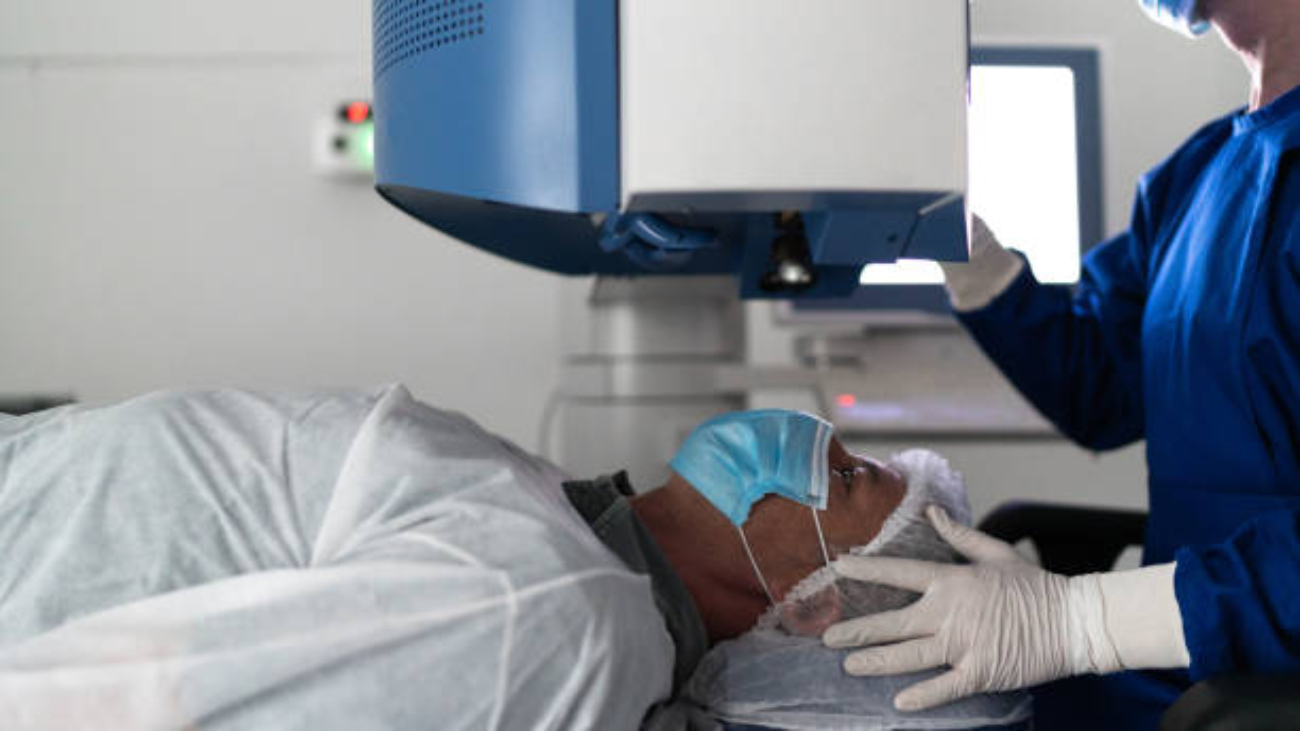
The latest method for treating vision defects using Femto Smile technology

Benefits of FemtoSMILE

FemtoSMILE offers several advantages over traditional LASIK and other vision correction methods:

  • Minimally Invasive: The small incision minimizes tissue disruption and promotes quicker recovery.
  • Enhanced Safety: The procedure reduces the risk of complications such as flap-related issues, as seen in LASIK.
  • Faster Recovery: Most patients experience rapid visual improvement and minimal discomfort, with a quick return to normal activities.
  • Reduced Dry Eye Risk: The small incision reduces the impact on corneal nerves, lowering the likelihood of dry eye syndrome post-surgery.
  • High Precision: The femtosecond laser technology ensures accurate and consistent results.

Post-Operative Care

After the surgery, Dr. Elmoatassem provides comprehensive post-operative care to monitor recovery and ensure optimal visual outcomes:

  • Follow-Up Appointments: Scheduled visits to assess healing progress and address any concerns.
  • Medication Management: Prescriptions for eye drops to prevent infection and manage inflammation.
  • Recovery Guidance: Detailed instructions on post-surgery care, including activity restrictions and eye protection measures.

Excellence in Patient Care

Dr. Ahmed Elmoatassem’s reputation as the best ophthalmologist in the UAE is built on his commitment to excellence, advanced surgical skills, and compassionate patient care. At the Moatassem European Eye Center, patients receive world-class treatment for FemtoSMILE surgery, from initial consultation through post-operative care.

Patients choosing Dr. Elmoatassem for FemtoSMILE surgery can expect a seamless, reassuring experience with outstanding visual results, reflecting his dedication to enhancing patients’ quality of life through superior eye care.

Laser Vision Correction Procedures

Laser Vision Correction Procedures

Laser vision correction procedures are the most well-known eye surgeries, characterized by their effectiveness, immediate results, and optimal vision. Today, this procedure has become the most widespread across all Arab countries, and there is hardly a household that does not have experience with laser eye surgery. However, do the laser procedures differ? What are the best types of vision correction surgeries? And what are the requirements? We will answer all these questions and more, based on insights from Dr. Ahmed El-Moatassem, the best ophthalmologist in Dubai and the United Arab Emirates. Follow us in this comprehensive guide.

Laser Vision Correction Procedures

Laser vision correction procedures are considered one of the best therapeutic interventions for refractive vision problems. This technique relies on laser beams to correct vision and reduce the dependence on glasses or contact lenses. The mechanism of these procedures is based on reshaping the cornea, located at the front of the eye, to improve the quality of vision by normalizing light refraction.

Laser procedures are characterized by their ability to enhance vision quality by up to 95%. Additionally, their side effects and complications are extremely limited, making them a suitable solution for patients who are not good candidates for other treatment options. However, there are some drawbacks that cannot be overlooked, the most notable of which includes delayed improvement in vision results, the necessity of wearing an eye patch post-surgery, and the bothersome dry eye that may follow the procedure. Furthermore, laser procedures can lead to visual disturbances, especially when viewing bright lights, and may cause noticeable redness in the sclera of the eye, which typically fades within a few weeks.

Types of Vision Correction Procedures

Traditional Laser Surgery 

The traditional laser procedure is the first approved laser surgery. This procedure has relied on a fixed mechanism since its inception and continues to do so today. In this procedure, the surgeon uses laser beams to create an incision in the superficial layer of the cornea, forming a single-sided hinged flap referred to as a “flap.” The flap is lifted and displaced away from the inner layers of the cornea. Another type of laser is then directed to address distortions and shape changes in the inner layers of the cornea. This therapeutic laser is often linked to a computer system that records the patient’s data and the topographic map of the eye to treat the condition accordingly. After the treatment, the hinged flap is replaced in its original position, where it heals automatically over a span of several days.

Every patient over the age of 18 is eligible for this procedure, provided their vision has been stable for at least one year prior to the surgery. Additionally, the patient must be free from autoimmune diseases, ocular inflammations, and particularly dry eye, as traditional laser surgery may lead to significant dryness that increases the risk of bacterial infection.

Surface Laser PRK 

One of the oldest types of vision correction lasers, the surface laser is based on the principle of ablating the transparent superficial layer of the cornea and modifying the shape of the inner layers using laser beams to adjust light refraction and improve visual quality based on recorded data and diagnoses.

This procedure is suitable for patients who are 21 years of age or older, with visual impairment ranging from -1.00 to -12.0 diopters, and it requires that the patient’s vision has been stable for at least one year prior to the procedure.

Femto LASIK 

The Femto LASIK procedure is classified as a modern therapeutic intervention that utilizes a special laser known as “femtosecond laser.” This laser is used to create a flap with extremely precise incisions without affecting or damaging the inner cornea. The subsequent steps for creating the flap are very similar to those of traditional laser procedures, where the shape and condition of the cornea are adjusted based on the data programmed into the therapeutic excimer laser, which corrects the corneal topography as pre-programmed.

It is important to note that this procedure is particularly suitable for patients with thin corneas, and the success rate and safety of Femto LASIK are very high since it involves no surgical incisions or invasive procedures, thereby significantly reducing complications and side effects.

Femto Smile 

The Femto Smile technique has also been recently developed as a modern laser treatment for the eyes. This technique involves making a precise surgical incision at the edge of the cornea using the femtosecond laser. Through this incision, corneal issues and its external shape are corrected using the programmed femto laser according to predefined dimensions and data. The crucial aspect of this technique is that it does not require the creation of a flap in the eye, as seen in previous procedures; instead, it simplifies the flap creation process by making a precise surgical incision through which the cornea is reshaped.

This procedure is suitable for all patients aged 22 and above, provided their vision has recently stabilized. However, it excludes patients with glaucoma (high intraocular pressure) or those with autoimmune diseases. Notably, the Femto Smile procedure is not suitable for patients with hyperopia or astigmatism but is specifically designed for myopia patients, which is considered a significant drawback of this procedure.

Trans-Epithelial Laser 

The Trans-Epithelial Laser addresses severe vision issues without the use of scalpels or surgical instruments; instead, it relies solely on laser beams, alongside measuring corneal thickness throughout the procedure to ensure high safety and efficacy results while comparing the practical outcomes with the planned results. It is essential to highlight that this procedure targets the outer surface of the eye without the need to create a flap, lift the cornea, or heat the cornea. The “seven-dimensional” monitoring feature allows for the observation of the eye from all directions and angles during laser treatment.

Success Rate of Vision Correction Surgery 

Laser vision correction procedures are considered among the most successful therapeutic interventions, with thousands of laser surgeries performed daily. This high frequency is attributed to numerous advantages of laser procedures, including:

  • Significant improvement in vision quality, with correction rates for refractive vision problems ranging from 95% to 98%.
  • No need for surgical sutures or annoying dressings, as the laser procedures that create a flap in the eye allow the flap to return to its original position to heal naturally after the procedure.
  • Attainment of permanent and high-quality results, regardless of aging or genetic conditions.
  • Rapid recovery with the initial results noticeable within 48 hours, allowing a return to normal life within two days.
  • Complete elimination of the need for glasses or contact lenses used to enhance vision.

Conditions for Eye Laser Surgery 

The conditions for performing laser vision correction procedures may vary slightly depending on the type of laser surgery, but there are some stringent criteria that cannot be changed, including:

  • Being over the age of 18, as vision becomes more stable after childhood.
  • Stability of any changes in vision quality for at least one year before undergoing the procedure.
  • Good ocular health, free from diseases and bacterial infections, as well as the patient being free from autoimmune diseases.
  • Regular and smooth corneal shape, meaning that the cornea should not be conical.
  • Sufficient corneal thickness to qualify for the laser procedure.
  • Female patients must not be pregnant or breastfeeding at all.

Post-Laser Eye Surgery Tips 

The post-operative phase of laser vision correction is an integral part of the treatment, as optimal care and strict adherence to the doctor’s guidelines represent half of the recovery and desired outcomes. The following are key medical recommendations after the procedure:

  • Ensure adequate sleep and rest.
  • Avoid strenuous exercise and intense activities in the initial days following the surgery.
  • Refrain from showering or allowing water to come into contact with the eyes; instead, gently clean the area around the eyes with a clean, damp cotton cloth.
  • Avoid swimming, saunas, and steam baths for several weeks post-surgery.
  • Wear sunglasses during the afternoon to protect against harmful ultraviolet rays, and use specialized glasses for water sports.

Best Eye Doctor in Dubai 

The title of the best eye doctor in Dubai belongs to one individual who has worked diligently to earn the top position without dispute:

Dr. Ahmed El-Moatassem. He is renowned for his exemplary reputation,

impactful medical contributions, and distinguished experiences and achievements throughout the Middle East. 

A professor of ophthalmology at Ain Shams University, a fellow of the Royal College of Surgeons in Edinburgh,

a member of the American Academy of Ophthalmology in San Francisco, and a member of the International Society of Refractive Surgery,

Dr. Ahmed’s professional journey is marked by valuable milestones. He has published dozens of scientific papers in top international medical journals and participated in numerous conferences and seminars related to ophthalmology and its advancements globally.

He consistently attends exhibitions for the latest global laser, diagnostic,

and eye treatment equipment to select the best and most advanced technologies for the Moatassem European eye center,

the premier Arab center in the field of ophthalmology and its surgery.

Best Laser Center in the UAE 

The Moatassem European eye center is recognized as the best eye center in the United Arab Emirates, under the supervision of Dr. Ahmed El-Moatassem, who has meticulously focused on the aesthetic and functional details of the center to position it as the number one ophthalmology and surgical facility in Dubai. 

Dr. Ahmed has attracted a group of experienced medical professionals from around the world and has invested in acquiring the latest medical equipment, diagnostic tools, and advanced technologies. He has also paid careful attention to the center’s design, facilities, and furnishings, establishing a professional administrative and nursing team.

The Moatassem European eye center operates in a collaborative and supportive manner unlike any other,

with each member focused on their responsibilities and prioritizing the comfort and health of the patient’s eyes. 

Thus, we see that the latest laser devices for treating refractive eye diseases are exclusively available at our center,

and we work as a united family, with the comfort and optimal health of our patients being our ultimate goal.

Frequently Asked Questions

•        Does vision return to 6/6 after LASIK surgery? 

Yes, if the laser procedure is performed in a reputable medical center by a skilled and proficient surgeon,

vision quality can improve by 98%, achieving 6/6 vision after the surgery.

•        How long does vision correction surgery take? 

Generally, laser vision correction procedures take between 10 to 15 minutes.

There may be slight exceptions depending on the patient’s condition, but laser surgeries are typically known for their speed and high safety.

The results of vision improvement following the laser procedure may appear as early as the day after the surgery, although it can take several weeks,

with recovery times ranging from one month to three months.

•        Is laser eye surgery painful? 

Laser vision correction is not considered painful. At the start of the procedure,

the doctor applies topical anesthetic drops to ensure the patient feels no pain during the operation.

The patient may only feel slight pressure on the eye due to the surgical incision.

Some discomfort or irritation can be noticed during the first day after the procedure,

along with a feeling of itchiness and eye irritation that may last for several days.

•        What are the offers for vision correction surgeries at the Moatassem European eye center in Dubai? 

There are no fixed promotions for laser vision correction at Dr. Ahmed El-Moatassem’s clinic in the United Arab Emirates or Egypt because the prices of all medical procedures at the center are very reasonable and well-considered from various perspectives, thereby aligning with promotional prices at other medical centers. Given that the safety and health of patients are our top priorities, we advise everyone not to be swayed by the appeal of “laser vision correction offers in Dubai” or elsewhere, as these promotions are often handled by newly graduated doctors with limited experience, leading to variable success rates, which we do not endorse at our center.

•        What is the cost of vision correction surgery in Dubai? 

The costs of ophthalmic procedures at the Moatassem European eye center are suitable for all patients,

despite the center’s high-end readiness and the modernity and advancement of diagnostic and treatment equipment,

as well as the comprehensive healthcare services and the cordiality of the center’s staff. 

Thus, the final cost depends on the surgeon’s experience, reputation,

and patient outcomes, the type of laser used, and any pre- and post-operative procedures and examinations.

The cost of laser surgeries in the UAE typically ranges from $2,000 to $8,000, subject to increase or decrease.

•        What are the complications of laser vision correction procedures? 

Undoubtedly, medical procedures, no matter how safe, come with risks and complications that cannot be ignored.

This applies to laser vision correction surgeries, especially if performed in medical centers with low quality and limited professional experience.

Some of the potential complications include: 

  • No improvement in vision and continued issues with blurred sight due to errors in vision correction. 
  • Overcorrection causing additional vision problems. 
  • The emergence of astigmatism stemming from an incorrect procedure that results in an irregular corneal surface. 
  • Incorrect correction of vision issues due to insufficient tissue being removed from the surface of the cornea.

•        Is laser vision correction recommended? 

Yes, because laser vision correction procedures have become strong, reliable, and trusted today.

They yield highly accurate results and can effectively treat nearly all refractive vision problems.

The golden advice is to have laser vision correction specifically at Dr. Ahmed Moatassem eye center in the heart of the United Arab Emirates, where the desired results, ideal vision, and superior medical skill are achieved.

•        What is the best procedure for vision correction? 

All laser vision correction procedures are exceptional and yield excellent results,

thanks to the outstanding medical expertise at the Moatassem European eye center.

However, each patient’s case, whether they have myopia, hyperopia, or astigmatism, may require a specific type of laser tailored to their needs.

•        Who are the individuals who cannot undergo vision correction surgery? 

While laser vision correction procedures are safe for a very broad range of patients with refractive vision problems,

there are specific groups for whom these surgeries are completely contraindicated,

and any laser procedures are prohibited. These include: 

  • Pregnant and nursing women. 
  • Patients with autoimmune diseases. 
  • Patients with chronic dry eye. 
  • Cases of corneal inflammation. 
  • Patients with cataracts. 
  • Severe myopia cases. 
  • Patients with corneal thinning. 
  • Patients under 18 years of age.

Femto Smile technique

Femto Smile technique

Eye care technologies are evolving daily, and one of the latest therapeutic procedures introduced is the Femto-Smile technique. This advanced technique is considered a miraculous and radical solution for correcting vision problems without the need for prescription glasses or contact lenses, all while being completely safe and avoiding the high risks associated with traditional surgical procedures. What is this operation, what are its advantages and disadvantages, and what are the key details related to it? We will address these questions from the European Al- Moatassem Center, under the supervision of the esteemed Dr. Ahmed El Moatassem, a specialist in ophthalmology and its surgery.

What is the Femto-Smile technique?

The Femto-Smile technique is a modern therapeutic method in the field of ophthalmology that addresses refractive vision defects with high precision using a specialized type of laser known as femtosecond laser. This laser corrects the shape of the cornea and reshapes its upper surface without negatively impacting it.

The femtosecond laser works by precisely separating the layers of the cornea and extracting a small lens-shaped portion to correct the curvature of the cornea. This portion is removed through an extremely precise surgical incision, without pain or significant risk.

Femto-Smile is considered the latest generation of approved surgical procedures for correcting refractive vision problems and is significantly less invasive compared to other methods. It can treat myopia, hyperopia, and astigmatism.

What are the Advantages and Disadvantages of the Femto-Smile technique?

Any therapeutic procedure, regardless of its safety and effectiveness, may be viewed differently by patients—some highlight its numerous advantages, while others focus solely on its associated drawbacks. Although the negative aspects of the Femto-Smile procedure are transparently and credibly low, there are several positive and negative points that we will highlight to ensure you are fully informed about all the details of this procedure.

Advantages of Femto-Smile

The Femto-Smile technique offers many advantages that make it a preferred option in eye clinics.

favored by both doctors and patients alike, due to the numerous positive and remarkable experiences associated with it.

Some of the key benefits include:

  • The procedure is very quick, lasting only a few minutes to fully correct vision quality.
  • It is extremely safe and yields excellent results in vision correction and quality enhancement.
  • Post-operative symptoms and side effects are very limited, and even potential temporary dry eye is unlikely in the immediate aftermath.
  • The treatment is performed at a depth of 110 to 130 microns from the corneal surface, achieved by separating the internal layers of the cornea.
  • The surgical incision is very precise, not exceeding 2-4 millimeters, which does not affect the lens or cornea and heals automatically.

Disadvantages of Femto-Smile

As we have seen, the Femto-Smile technique is one of the safest and most effective treatments available; however, there may be certain exceptions and drawbacks that cannot be overlooked. These include:

  • Inability to correct some refractive vision defects at times, which may necessitate further treatment.
  • Reduced effectiveness for severe cases of hyperopia, as the capabilities of Femto-LASIK are primarily focused on correcting myopia.

Eligible Patients for the Femto-Smile technique

Not every patient is eligible for the Femto-Smile procedure. Dr. Ahmed El Moatassem recommends a specific group of patients who are suited for this operation, ensuring it aligns perfectly with their condition and guarantees optimal results in addressing vision problems. This group includes:

  • The eye and cornea must be free from all diseases and injuries.
  • The patient must be at least 18 years old or older.
  • Mild astigmatism is acceptable, if present.
  • Moderate myopia ranging from -1 to -8 diopters, no more.
  • Stability of visual acuity for at least one full year prior.
  • Astigmatism should not exceed 3 diopters.

Conversely, there are cases that are exempt from the Femto-Smile procedure.

as this operation is not suitable for them and cannot be performed, including:

  • Pregnant and breastfeeding women.
  • Recent need for multiple changes in prescription glasses or therapeutic contact lenses.
  • Conditions of elevated intraocular pressure or glaucoma.
  • Corneal scarring or ulceration.
  • Keratoconus.
  • Patients with chronic diseases, such as uncontrolled diabetes.
  • Presence of cataracts significantly affecting vision quality.

Diagnostic Stages Before Performing Femto-Smile

Dr. Ahmed El Moatassem typically takes the patient’s medical history to understand their general health status, vision problems, and any symptoms observed. He conducts a series of diagnostic tests, which include:

  • Examination of the cornea to obtain accurate readings and meticulous measurements, as the Femto-Smile procedure relies entirely on precise measurements, topographic imaging, corneal thickness, and absence of any problems or disorders.
  • Assessment of eye moisture to ensure that dryness is not present, as dry eye prior to the Femto-Smile procedure is a reason to exclude the operation since it may significantly increase the risk of post-operative dry eye.
  • Measurement of pupil size, since a wide pupil can predispose the eye to notable pain after the procedure and vision problems in bright lighting conditions, as well as night vision issues.
  • Examination of the fundus to evaluate the health status of the optic nerve and rule out any diseases or health concerns, along with measuring intraocular pressure to exclude glaucoma or “blue water,” which is also excluded from this procedure.

Steps of the Femto-Smile technique

The Femto-Smile technique is performed by following a limited set of specialized steps that are relatively straightforward and conclude within a few minutes.

after which the patient notices an immediate improvement in their vision quality. These steps include:

  1. First, the patient is prepared for entering the operating room by wearing special attire and sanitizing their hands and face.
  2. The patient then enters the operating room and lies down on the designated operating table.
  3. Local anesthetic eye drops are applied to the surface of the eye to numb the area, ensuring the patient feels no pain.
  4. A specialized device, resembling a clamp, is then used to keep the eye open for ease of procedure.
  5. Dr. Ahmed El Moatassem uses a laser device to create a precise surgical incision on the surface of the cornea.
  6. He then accesses the corneal layers and resects a portion of the tissue to correct the shape of the cornea and address vision defects.
  7. The procedure concludes with the application of a patch on the eye or the placement of surgical sutures at the incision site if necessary.

Post-Femto-Smile Symptoms

It is important to clarify that post-operative symptoms of the Femto-Smile technique are completely normal and pose no risk; these are typical side effects that represent part of the healing process. On the other hand, we will mention later the complications that carry high risks and may result in complete failure of the Femto-Smile procedure, which include:

  • Eye redness.
  • A sensation of itching in the eye.
  • Seeing halos around light sources, especially in the evening.
  • Temporary blurry vision.

Failure of the Femto-Smile technique

After identifying the post-operative symptoms of the Femto-Smile procedure, it is essential to recognize the signs of failure of this procedure, or in other words, the potential complications that may arise.

These complications can result from an error in selecting the procedure.

the patient’s unsuitability for the procedure, issues in determining corneal measurements, severe dryness of the cornea.

or delayed healing of the cornea after the operation. The most significant of these complications include:

  • Corneal inflammation.
  • Complete lack of vision following the procedure.
  • The occurrence of bacterial or viral infections.
  • Damage to the cornea due to the removal of tissue.

Cost of the Femto-Smile technique

It is well known that the costs of medical procedures of all kinds are of great significance to patients. Therefore, we offer at Al- Moatassem European Center treatment procedures of the highest therapeutic quality at the best prices in the United Arab Emirates.

As for the costs of the Femto-Smile technique, they are not defined by a fixed amount but are instead linked to the patient’s condition and many ancillary factors, including:

  • The location of the medical center and the completeness of its services and modern facilities.
  • The expertise of the surgeon and the positive experiences of their patients in treating vision defects.
  • The therapeutic techniques used during the procedure and their advancement.
  • The inclusion of diagnostic and follow-up costs before and after the procedure.

In general, it can be stated that the Femto-Smile procedure is quite reasonably priced, estimated to average between $500 and $700, making it accessible to most patients. Of course, this cost is approximate and may vary based on many factors.

My Experience with Femto-Smile

We did not rely solely on one experience from a patient who previously underwent the Femto-Smile procedure at Al- Moatassem European Center for Ophthalmology and Surgery in Dubai. Instead, we gathered the general experiences of hundreds of patients who have undergone this procedure at different times and with varying conditions to provide you with as much feedback and evaluations related to this procedure as possible, including:

  • After many years of relying on bothersome prescription glasses, I underwent the Femto-Smile procedure, and just one week later, I achieved stunningly perfect vision.
  • I suffered from nearsightedness since childhood and was unable to read or see normally. However, just a few hours after the procedure, I could see both distant and close objects with ease, and my self-confidence increased remarkably.
  • I had a procedure that was supposed to correct my vision, but it actually did not help at all. My eyesight worsened, making driving and working difficult. However, with the Femto-Smile LASIK at Al- Moatassem European Center, I achieved results that exceeded my expectations, and the quality of my life improved for the better.

When Does Vision Return to Normal After the Femto-Smile Procedure?

Vision typically returns to normal just a few days after the Femto-Smile procedure.

The improvement continues gradually after the operation.

with patients reaching their desired final results in terms of vision quality and safety within one to two weeks post-procedure.

Which is Better: Femto-LASIK or Femto-Smile?

In reality, statistics have shown that the Femto-Smile procedure has proven its ability to correct vision defects and has significantly outperformed Femto-LASIK. This is due to several distinguishing factors compared to traditional Femto-LASIK, which we will summarize in the following comparison:

Comparison AspectFemto-LASIKFemto-Smile
FlapRequires the creation of a flap.Does not require a flap.
Types of Laser UsedExcimer laser.Femtosecond laser.
Laser ApplicationApplied in the layer beneath the created flap.Applied directly to the surface of the cornea.
Size of Surgical Incision4-5 mm.1-3 mm.
Surface Epithelial Tissue RemovalRemoved to create the flap.Preserved.
Procedure Duration10-15 minutes.Approximately 5 minutes.
Healing SpeedSeveral weeks.Up to two weeks.

Important Instructions After Femto-Smile Pro Surgery

If the patient follows all the guidance and instructions provided by Dr. Ahmed El Moatassem after the procedure, we guarantee an ideal healing period without obstacles, God willing, and achieving optimal vision results within a few short days.

Here are some of the key instructions and guidelines after leaving the operating room:

  • Avoid driving immediately after leaving the operating room; seek assistance from a friend or relative for transport home.
    • Avoid strenuous activities such as swimming, horseback riding, and weightlifting for several days.
    • Ensure adequate rest after the procedure to prevent eye swelling.
    • Place several pillows under the head when sleeping and keep the head elevated.
    • Avoid washing the face or directing water to the eyes directly to prevent infection.
    • Use the prescribed eye drops as directed and apply them according to the instructions.
    • Completely avoid cosmetics and skincare products near the eyes.
    • Inform the doctor if any severe symptoms occur, such as eye bleeding, severe pain, or unusual blood redness.

When Does Vision Stabilize After Femto-Smile Surgery?

The Femto-Smile procedure yields immediate and direct results. The timing of the appearance of positive outcomes varies relatively among patients, depending on the prior condition and health of their eyes, as well as the experience of the surgeon in selecting and applying the most appropriate procedure with the required quality. However, in most cases, a few hours after the procedure, the patient can see clearly without significant issues. After a few days, the quality of vision continues to improve, reaching the ideal vision that the patient aspires to.

How Long Does the Femto-Smile Procedure Take?

The duration of the Femto-Smile procedure in the operating room is about 7 minutes at most. There may be a slight increase in time for anesthetizing the patient and preparing them for entering and exiting the operating room. It is important to note that this short duration of the procedure does not correlate with the quality of vision outcomes for patients afterward. The speed of the procedure is due to the use of femtosecond laser technology, which can separate layers of the cornea and remove portions of it in just fractions of a second. Additionally, the results of this procedure are comparable to other LASIK surgeries and significantly outperform them.

Best Eye Doctor in the UAE

Refractive vision problems are the most common issues within the UAE and beyond, which is why everyone is seeking the best eye doctor in the UAE to treat these issues with the highest levels of precision and professionalism. Dr. Ahmed El Moatassem, a specialist in ophthalmology and eye surgery, is considered the best in the field of ophthalmology in Dubai and the entire United Arab Emirates.

He has performed over 30,000 LASIK and refractive vision correction procedures, all of which have been a resounding success, yielding outstanding vision results. Dr. Ahmed combines theoretical knowledge and exceptional professional skills with practical experience and a golden surgical hand, having worked in various roles that have enhanced his profile and provided him with additional expertise over the past 20 years.

He has taught the ophthalmology course at Ain Shams University in Egypt and joined the American Academy of Ophthalmology. He is also a member of the Egyptian Ophthalmological Society and the Royal College of Surgeons of Edinburgh. Furthermore, he has participated in hundreds of leading medical conferences and seminars, obtaining certificates of attendance, in addition to conducting dozens of research papers and studies that have been published in prestigious international journals and received commendable evaluations. Therefore, he is regarded as the best eye doctor in the UAE, as well as in Egypt, Iraq, and Saudi Arabia.

Best LASIK Doctor in Dubai

Best LASIK Doctor in Dubai

If you reside in the United Arab Emirates and are looking for the best LASIK doctor in Dubai to treat your vision problems and completely heal your eyes, then El-Moatassem European Eye Center is considered the number one ophthalmology center in the UAE and the entire Arab world, Given that LASIK technology is today the most common procedure for treating dozens of eye conditions, if you wish to learn more about this advanced treatment at the center of the expert Professor Dr. Ahmed El-Moatassem and what makes his center the best, follow with us…

LASIK Technology for Vision Correction in Dubai

LASIK technology is defined as a therapeutic procedure that corrects refractive vision problems. Normal vision relies on the perfect and proper focusing of incoming light rays by the cornea onto the retina. The cornea, which is highly transparent, is the front part of the eye responsible for receiving light rays. As for the retina, it is the highly light-sensitive neural layer located at the back of the eye that converts light rays into neural signals,

which are then translated by the brain into images and visual sequences meaning it is responsible for the vision process.

The vision problems treatable with laser technology include:

  • Myopia (nearsightedness): where the patient cannot see distant objects clearly, and the cornea is more curved than necessary.
  • Hyperopia (farsightedness): which enables the patient to see distant objects clearly, unlike nearby objects, and here the cornea is excessively flattened.
  • Astigmatism: which involves a structural irregularity in the corneal surface.

What Is the LASIK Procedure for Eye Treatment?

As mentioned, LASIK technology corrects all vision problems by reshaping the corneal surface. This procedure is performed quickly, taking no more than 20 minutes for both eyes.

In this therapeutic procedure a very precise incision is made on the corneal surface, specialized laser is then used to reshape the superficial corneal tissues, restoring them to a completely normal state, and finally The edges of the surgical incision are brought together without sutures, allowing them to heal naturally within a short period.

Advantages of LASIK Procedure

The LASIK procedure is considered extremely safe, especially when performed under the supervision of the best LASIK doctor in Dubai. At El-Moatassem European Eye Center, we work to minimize the risks and complications of LASIK and any other therapeutic procedure as much as possible through a comprehensive evaluation of the patient’s eye condition.

The most important advantages of this procedure include:

  • Very short recovery period, as the surgical incision is made using laser beams without the need for surgical blades, which would make the wound smaller and slower to heal.
  • Significant and noticeable vision improvement from the first few days, as LASIK corrects vision problems with high precision and restores the corneal surface to its completely normal state.
  • Complete independence from glasses and therapeutic contact lenses after the procedure, eliminating the need for any other corrective measures.
  • No pain or discomfort during the procedure at the center, as the patient is given local anesthesia, and with the use of high-quality tools and the real expertise of Dr. Ahmed El-Moatassem, pain becomes entirely nonexistent.
  • Long-lasting, permanent results that endure for many years, thereby ruling out the need for any future therapeutic procedures.

Who Are the Ideal Candidates for LASIK Surgery?

When searching for the best LASIK doctor in Dubai, it is essential to consider that this procedure is suitable for a large segment of patients but is not appropriate for everyone. There are certain patients who qualify for the surgery under clear conditions, including:

  • The patient must be at least 18 years old, as vision in younger patients is still unstable.
  • Stable vision for at least one year before the procedure. If the patient needs to change their glasses every two months, another treatment plan should be considered.
  • A completely healthy cornea, free from diseases, and overall good eye health.
  • Female patients who are not pregnant or breastfeeding, as LASIK is not suitable for them, no matter how safe the procedure is.
  • A stable refractive error in the patient’s eye that meets the procedure’s requirements.
  • The patient’s medical history and record of previous eye surgeries.

Clinical Steps of LASIK Procedure at El-Moatassem European Eye Center

When a patient searches for a comprehensive eye care center, they are not just looking for the best LASIK doctor in Dubai, but also for pre- and post-operative care, integrated medical attention, patient consideration, understanding of their concerns, and much more. All these aspects are optimally available at El-Moatassem European Eye Center, meeting every patient’s expectations. To demonstrate this, let’s examine the detailed steps of the LASIK procedure at El-Moatassem European Eye Center:

-Pre-LASIK Phase

When a patient visits El-Moatassem European Eye Center for an eye examination or consultation with Dr. Ahmed El-Moatassem about LASIK, Dr. Ahmed welcomes them warmly, listens carefully to their complaints, and interacts closely to understand their needs and circumstances. Even when Dr. Ahmed is certain that the patient requires LASIK, he does not make an immediate decision. Instead, he refers the patient to diagnostic tests to confirm this. The most important pre-LASIK diagnostic tests include:

  • Corneal topography to create a 3D image of the cornea’s surface.
  • Corneal thickness measurement to ensure suitability for the procedure.
  • Dilated eye examination to inspect the internal components of the eye.
  • Wavefront analysis to detect any issues in the eye’s image-processing mechanism.

Once these tests confirm the need for LASIK, Dr. Ahmed discusses the procedure’s details with the patient, explaining the steps and expected outcomes.

A surgery date is then scheduled, along with instructions for optimal results.

-LASIK Procedure in the Operating Room

This phase arouses curiosity among all patients before undergoing LASIK. However, with the best LASIK doctor in Dubai, there is no need for concern, as the procedure is virtually painless. It proceeds as follows:

  • The patient arrives at El-Moatassem European Eye Center at the scheduled time and is welcomed by Dr. Ahmed and his team.
  • The patient is escorted by a nurse to the preparation room, where they remove any jewelry or earrings and change into sterile surgical attire.
  • The patient enters the operating room, where Dr. Ahmed awaits, and is asked to lie on the surgical bed.
  • Anesthetic eye drops are applied to minimize pain and discomfort.
  • A specialized clip is placed to keep the eye open during the procedure.
  • Femtosecond laser beams are directed at the eye, and a microkeratome may also be used to create a precise corneal flap.
  • The excimer laser is then used to reshape the corneal surface and correct its irregularities based on the pre-operative corneal topography map.
  • After correction, the corneal flap is repositioned without sutures, as the superficial corneal layers heal quickly.
  • The patient is discharged from the operating room, with the procedure successfully completed, by God’s grace.

– Post-LASIK Phase

Shortly after leaving the operating room, the patient undergoes an immediate and comprehensive eye health evaluation to assess the surgical site and initial vision quality.

Professor Ahmed El-Moatassem also provides a set of health guidelines and recommendations for optimal recovery. Follow-up appointments are scheduled to ensure complete and proper healing.

Potential Side Effects After LASIK Surgery

While LASIK surgery for vision correction is extremely safe and delivers excellent results, like any medical procedure, it may be accompanied by certain side effects. If even mild eye rubbing can cause noticeable redness, what might occur after a surgical intervention? The most common side effects following LASIK include:

  • Temporary dry eye, treatable with moisturizing eye drops and artificial tears.
  • Blurred or hazy vision.
  • Halos around bright light sources.
  • Eye redness or red spots in the white of the eye.
  • Mild stinging sensation during the first few hours post-procedure.

Types of LASIK for Eye Treatment

The term “LASIK” is not limited to a single simple procedure, but rather encompasses multiple specialized techniques tailored to different needs and conditions. The main types include:

-Traditional LASIK

Traditional LASIK is the most widely performed type of eye LASIK procedure. In this technique, a movable flap is created on the corneal surface to access the inner layers of the cornea. Subsequently, laser beams are used to reshape the cornea and correct refractive vision errors. This method is considered safe, fast, and painless, with results becoming apparent the day after the procedure.

-specialist Custom LASIK

Custom LASIK represents one of the advanced LASIK techniques recently developed. It relies on creating detailed corneal topography maps through an advanced procedure to establish a comprehensive treatment plan. Additionally, it Analysis of light waves of rays coming into the eye to measure the mechanism of light rays passing through the eye and create a detailed map of it.. Consequently, this LASIK type develops a personalized treatment plan for each patient’s specific condition to achieve optimal therapeutic outcomes.

-PRK (Photorefractive Keratectomy)

Also known as Photorefractive Keratectomy, this procedure depends entirely on laser beams to reshape the corneal surface without creating any flap. Therefore, this technique involves no surgical incisions, sharp instruments, or cutting lasers. As such, PRK carries minimal risks and is particularly excellent for refractive error patients with thin corneas.

-LASEK (Laser Epithelial Keratomileusis)

This technique closely resembles PRK but differs in its approach.

In LASEK, also called Epithelial LASIK, a special alcohol solution is used to loosen the epithelial and outer corneal layers before directing laser beams to reshape the corneal surface. This significantly reduces risks of sensitivity and irritation, making it a suitable option for patients with sensitive eyes.

-Presby LASIK

Presby LASIK was specifically designed to treat presbyopia, a widespread condition causing age-related near vision deterioration. This therapeutic technique reshapes the cornea to correct the focus of light rays on the retina. Through this procedure, both near and distant vision can be corrected simultaneously, potentially eliminating the need for glasses entirely.

-Femto-LASIK

Among the best therapeutic procedures in modern ophthalmology, Femto-LASIK involves removing the ultra-thin superficial layer of the cornea before reshaping the corneal surface and correcting refractive errors. This method suits all vision problems without exception and concludes within just 10 minutes. Moreover, this technique causes no distortion in corneal structure or related complications, with minimal side effects.

-Ultra-LASIK

This distinguished method for correcting refractive errors utilizes a high-frequency laser (1050 Hz) to reshape the cornea. Consequently, Ultra-LASIK is considered the fastest, most precise, and successful procedure, suitable for nearly all cases.

-Femto-SMILE

This therapeutic technique relies on an extremely small surgical incision combined with high-precision laser to correct all refractive errors. It preserves the corneal surface without creating visible incisions. The procedure takes between 10 and 20 minutes under local anesthesia and has very limited side effects. The laser beam separates tissue layers in the extremely thin cornea, creating only a 2.5 mm incision without forming a flap or lifting any corneal portion.

The Best LASIK Doctor in Dubai

Based on these precise details that demonstrate Dr. Ahmed El-Moatassem’s approach to treating his patients—from the simplest to the most complex surgical procedures—we can confidently affirm that the best LASIK doctor in Dubai is the distinguished Dr. Ahmed El-Moatassem.

How could it be otherwise, when Dr. Ahmed’s journey of expertise and stellar reputation spans 25 years, marked by continuous successes and achievements? Since earning his PhD in Ophthalmology in 2002 in the United States, Dr. Ahmed has crafted a complete success story.

He served in the academic faculty at the Ophthalmology College of Ain Shams University in Egypt.

earned membership in the American Academy of Ophthalmology in San Francisco.

and became a member of the International Society of Refractive Surgery.

Additionally, he holds a Fellowship from the Royal Society of Surgeons in the United Kingdom.

among many other prestigious professional positions that attest to his expertise and skills in ophthalmology.

Notably, Professor Ahmed El-Moatassem is the first ophthalmologist in the world to perform corneal ring implantation surgery for keratoconus in Egypt, the UAE, and the United States. He was also the first Arab ophthalmologist to perform intraocular lens implants, cataract surgeries, and LASIK procedures.

Dr. Ahmed El-Moatassem has excelled in all these fields and successfully completed dozens of scientific research studies related to eye diseases and their treatments.

These studies have been published in international medical journals across America and Europe.

These outstanding achievements, professional milestones, and positive contributions worldwide confirm that Dr. Ahmed El-Moatassem is indeed the best LASIK doctor in Dubai. Do not hesitate to visit El-Moatassem European Eye Center, where your eyes receive comprehensive and exceptional care.

The Cost of Femto-LASIK Surgery in Sharjah

The Cost of Femto-LASIK Surgery in Sharjah

 What is the cost of Femto-LASIK surgery in Sharjah? This is a question asked by hundreds of patients daily, as this therapeutic procedure is one of the most important and widely adopted solutions today for treating various refractive vision errors. Its numerous long-term benefits have made it a preferred choice. That’s why we present this comprehensive guide from El-Moatassem European Center for Ophthalmology and Eye Surgery, covering all the details of Femto-LASIK. Stay with us to learn more…

What Is Femto-LASIK Eye Surgery?

Femto-LASIK eye surgery is a specialized procedure for vision correction using advanced laser technology, including Femto-LASIK and femtosecond lasers. The procedure involves creating an ultra-thin corneal flap (a thin layer on the cornea’s surface), which is then lifted to access the underlying corneal tissue. The outer surface of the cornea is reshaped using an excimer laser.

precisely correcting vision to varying degrees depending on the patient’s condition.

The advantages of this procedure are numerous, and the price of the Femto-LASIK procedure in Sharjah is very reasonable, and it only takes a few minutes to complete.

Ideal Candidates for Femto-LASIK Surgery

Femto-LASIK is suitable for many refractive eye disorders, but it has clear limitations. Eligible candidates include:

  • Severe Myopia (Nearsightedness): Its degrees range from -0.5 to -0.8 diopters, where the patient is able to see nearby objects clearly, unlike distant objects, which are blurry.
  • Advanced Hyperopia (Farsightedness): Which ranges from +1.00 to +5.00 diopters, and here the patient is unable to see nearby objects clearly due to the excessive flattening of the cornea.
  • Astigmatism: Where the corneal surface is extremely irregular, up to 4.00 diopters, Femto-LASIK reshapes the corneal surface, focusing on the irregular areas.

Advantages of Femto-LASIK Surgery in Sharjah

Upon closer examination, we find that the benefits and advantages of this surgery are truly remarkable.

especially when compared to the affordable cost of Femto-LASIK in Sharjah, which is relatively reasonable for everyone. The price is very logical when compared to the cost of the same procedure in neighboring Arab and European countries.

Additionally, there are several benefits and advantages to this surgery, including:

  • Very high safety level, as this procedure is non-invasive and does not require surgical blades, relying instead on very safe surface laser technology.
  • The flap created in Femto-LASIK is extremely thin, leading to faster healing and greater flexibility in treatment.
  • A completely painless procedure, as it relies on anesthetic eye drops that prevent any pain, with only slight pressure felt.
  • Quick recovery after the procedure, allowing the patient to resume daily activities within just 48 hours.

Candidates’ patient’s for Femto-LASIK Surgery

When a patient’s eyes are examined and diagnosed with a refractive error requiring Femto-LASIK surgery.

certain criteria must be met for the patient to qualify.

The doctor will assess the patient’s overall condition, determine their eligibility for the procedure.

and discuss details such as the cost of Femto-LASIK in Sharjah and other expectations before scheduling the surgery.

The ideal candidates for this procedure include

  • Patients aged 18 years or older, as vision is generally more stable at this age.
  • Stable vision for at least several months, ideally a full year.
  • Corneal thickness of at least 0.5 mm, since Femto-LASIK thins the cornea and cannot be performed on already thin corneas to avoid deterioration.

However, there are exceptions where a patient may not be eligible for Femto-LASIK, including:

  • Pregnant or breastfeeding women.
  • Patients with autoimmune diseases (e.g., rheumatoid arthritis, lupus).
  • Those with chronic conditions such as diabetes.
  • Cases of dry eye syndrome or conjunctivitis.
  • Patients with cataracts or glaucoma (high eye pressure).
  • Lazy eye (amblyopia) or optic nerve disorders.
  • Certain infections such as herpes simplex, uveitis, or shingles (herpes zoster).

Pre-Femto-LASIK Preparations

Before discussing the cost of Femto-LASIK in Sharjah, it is essential to understand the key pre-operative preparations and diagnostic procedures. These guidelines ensure that the surgery proceeds smoothly and optimally, God willing. The most important pre-operative diagnostic steps include:

  • A comprehensive eye examination to ensure the eyes are free from any conditions or injuries that may contraindicate the surgery.
  • Fundus examination to assess the health of the retina and optic nerve.
  • Corneal thickness measurement to confirm suitability for the procedure.
  • Corneal topography to map the surface curvature of the cornea and determine the treatment plan.
  • Intraocular pressure measurement to rule out glaucoma, which could affect the surgery.
  • Visual acuity and general eye condition testing.

In addition to these diagnostic tests, patients must follow certain pre-operative instructions, including:

  • Avoid wearing contact lenses (both cosmetic and therapeutic) for at least one month before surgery, as they can alter the corneal surface.
  • Refrain from using makeup or skincare products around the eyes for several days before the procedure.
  • Arrange for a companion to accompany you to El-Moatassem European Center, as patients cannot drive or walk comfortably immediately after surgery due to temporary blurred vision.

Steps of the Femto LASIK Procedure in the UAE

The Femto LASIK procedure corrects refractive vision problems in just a few simple and concise steps. The actual vision correction takes no more than 3 minutes. However, these steps are completed with the highest speed and precision when performed by the best ophthalmologist in Sharjah, Dr. Ahmed El-Moatassem, who possesses the most extensive expertise in eye treatment across the Arab world, here are the key steps of the procedure:

  1. The patient is prepared for the operating room, and the area around the eye is numbed with a local anesthetic to minimize discomfort.
  2. A specialized clip or eyelid speculum is placed to keep the eye open throughout the surgery.
  3. A femtosecond laser is used to separate the flap from the outer layer of the cornea.
  4. An excimer laser is used to correct the shape and surface contours of the cornea, ensuring proper light refraction onto the retina for clear vision.
  5. Finally, the surgery is completed by repositioning the corneal flap, which heals naturally or is secured with special surgical sutures.

Post-Femto LASIK Care Instructions

After undergoing Femto LASIK surgery in Sharjah, the patient is directed to rest in a designated recovery area to ensure proper monitoring of their overall health and, specifically, their eye condition. Dr. Ahmed El-Moatassem provides his patients with a set of essential guidelines to ensure optimal recovery and minimize potential risks. These post-operative instructions include:

  • Adhering to prescribed eye drops and medications at the exact scheduled times and dosages as directed by the doctor.
  • Avoiding strenuous activities that strain the eyes, such as prolonged reading, writing, watching TV, or using smartphones.
  • Refraining from rubbing or touching the eyes to prevent bacterial or viral infections.
  • Wearing protective eye shields or sterile dressings for the first two days after surgery.
  • Using sunglasses when going outside during the day to shield the eyes from harmful UV rays.

It’s important to note that the post-operative period may involve some temporary symptoms that patients might mistakenly perceive as complications. However, these are normal parts of the healing process and typically subside gradually. These may include:

  • Mild pain or burning sensation in the eyes.
  • Itching and irritation.
  • General eye discomfort.
  • Redness or bloodshot appearance.
  • Blurred or hazy vision.
  • Light sensitivity and glare discomfort.

Potential Complications After Femto LASIK Surgery

Femto LASIK is an extremely safe and effective procedure at El-Moatassem European Center, with a success rate exceeding 95%. However, in clinics lacking proper medical expertise or strict surgical protocols, some rare complications may arise, including:

  • Formation of opaque bubbles between the corneal flap and the outer layer, which may interfere with laser effectiveness.
  • Temporary light sensitivity, which may develop days after surgery, causing discomfort from bright lights and glare. This is typically treated with steroid eye drops (corticosteroids).
  • Rainbow glare effect, a visual disturbance where colored light streaks appear in the field of vision when looking at bright white light sources, caused by irregularities in the back surface of the corneal flap.

When Does Vision Return to Normal After Femto LASIK?

Femto LASIK eye surgery is a straightforward procedure known for its rapid and immediate results. Patients typically regain normal vision within about two days after the procedure.

with vision continuing to improve gradually over several days, reaching full stability and optimal clarity within a week.

It’s important to note that Femto LASIK is one of the safest and most effective vision correction surgeries available.

When performed at El-Moatassem European Center, the procedure carries virtually no risks or complications, thanks to the highly skilled surgeons, advanced technology, and comprehensive post-operative care. However, in centers lacking the same expertise, rare complications may include: Eye infections, Light sensitivity, Eye irritation, Corneal flap displacement.

Which is Better: LASIK or Femto LASIK?

Many patients inquire about the difference between LASIK and Femto LASIK.

considering that both therapeutic procedures are relatively similar and somewhat comparable in methodology.

Here is a clear, concise explanation of each procedure:

Surface LASIK, abbreviated as PRK, is one of the most important laser eye treatments.

This treatment addresses mild to moderate vision defects and is used for refractive vision problems such as myopia (nearsightedness), hyperopia (farsightedness), and astigmatism. In this procedure, the surgeon removes the ultra-thin outer layer of the cornea’s surface, then directs a specialized laser to correct the vision problems. The wound is left to heal naturally within a few days.

As for Femto LASIK technology, it is more advanced than the first therapeutic technique. In this procedure, laser beams are directed to deeper layers of the cornea compared to the layers targeted in conventional LASIK. This procedure is characterized by very rapid recovery, with the patient typically regaining normal vision within a maximum of 3 days.

Cost of Femto LASIK Surgery in Sharjah

There is significant variation in the cost of Femto LASIK surgery in Sharjah due to numerous influencing factors. These range from the patient’s condition and overall eye health to fixed costs such as the type of laser used, materials, and equipment, and extend to the medical competencies approved for this procedure, among many others. The most important factors that determine the cost of Femto LASIK surgery in the United Arab Emirates include:

  • The types of lasers used in Femto LASIK surgery, such as Femto LASIK, Surface LASIK, Femto SMILE, and others.
  • The surgeon’s experience, including years of practice and skill level in performing this type of surgery.
  • The technologies and equipment used in the procedure the more advanced and modern the equipment, the higher the overall cost.
  • The diagnostic tests and preliminary examinations required before the surgery and their inclusion in the final procedure cost.
  • The quality of medical care and follow-up appointments immediately after the procedure.

The Best Ophthalmologist in Sharjah

Dr. Ahmed El-Moatassem is the first ophthalmologist in the Arab world to perform laser eye surgery, intraocular lens implantation, cataract surgery, and corneal ring implantation for keratoconus. He is widely regarded as the best ophthalmologist in Sharjah, the United Arab Emirates, and the entire Arab region.

Among the pioneering Arab ophthalmologists, Dr. El-Moatassem has excelled in treating all types of eye conditions. The distinguished Professor Ahmed El-Moatassem began his remarkable journey in 2002 when he earned his PhD in Ophthalmology and moved to Egypt, where he achieved numerous professional positions and academic honors.

Dr. Ahmed El-Moatassem has authored dozens of scientific research papers on eye diseases and disorders, published in prestigious European and American medical journals. His global experience includes teaching medical students at Ain Shams University in Egypt and holding memberships in: American Academy of Ophthalmology (San Francisco), International Society of Refractive Surgery, Royal College of Surgeons (UK) Fellowship

Additionally, Dr. El-Moatassem has been invited to numerous international conferences and seminars and has supervised prestigious training courses in ophthalmology and eye surgery.

Most importantly, with his profound expertise and exceptional leadership, Dr. El-Moatassem has successfully managed a specialized medical team at El-Moatassem European Center the premier eye care center in the UAE along with many other medical centers worldwide.

Femto LASIK Dubai Price

Femto LASIK Dubai Price

Femto LASIK Dubai Price: Complete Guide by Moatassem European Lasik & Eye Center (M.E.C)

Are you considering Femto LASIK eye surgery in Dubai and wondering about the price, procedure, and where to get it done safely and effectively? Welcome to your ultimate guide. At Moatassem European Lasik & Eye Center (M.E.C), we are proud to be the leading eye care facility in Dubai, offering advanced LASIK procedures performed by highly qualified surgeons using cutting-edge technology. In this detailed blog, we’ll cover everything you need to know about Femto LASIK, including its cost in Dubai, why M.E.C is your best option, and how to prepare for and recover from surgery.

What is Femto LASIK?

Femto LASIK (Femtosecond LASIK) is a modern form of laser eye surgery used to correct refractive vision problems such as:

  • Myopia (Nearsightedness)
  • Hyperopia (Farsightedness)
  • Astigmatism
  • Presbyopia (age-related near vision loss)

Unlike traditional LASIK, Femto LASIK uses a femtosecond laser instead of a mechanical blade to create a thin corneal flap. This enhances precision, safety, and patient comfort.

Why Choose Femto LASIK in Dubai?

Dubai has become a global destination for medical tourism, particularly for eye surgeries. Reasons include:

  • High-quality healthcare infrastructure
  • Access to world-renowned ophthalmologists
  • Advanced medical technology
  • Competitive pricing compared to the US and Europe

Femto LASIK Price in Dubai

The cost of Femto LASIK in Dubai typically ranges between AED 7,000 to AED 15,000 for both eyes, depending on several factors:

  • The clinic’s reputation
  • Surgeon’s expertise
  • Technology and equipment used
  • Inclusion of pre-operative and post-operative care

At M.E.C, we provide transparent, competitive pricing with no hidden costs, and our packages often include:

  • Initial consultation
  • Pre-operative tests
  • Femto LASIK procedure
  • Post-operative care
  • Follow-up appointments

We also offer flexible payment options and seasonal promotions.

Call us Whatsapp

Why M.E.C is the Best for Femto LASIK in Dubai

1. Expertise You Can Trust Our ophthalmologists are internationally certified, with decades of combined experience in refractive surgery.

2. State-of-the-Art Technology M.E.C is equipped with the latest Femto LASIK machines and diagnostic tools that ensure safe, effective outcomes.

3. Personalized Care Every patient receives a personalized treatment plan tailored to their vision needs and eye health.

4. High Success Rate Our success rate exceeds 98%, and we have helped thousands of patients achieve 20/20 vision or better.

5. Comfortable, Hygienic Environment From consultation to recovery, our facility offers a clean, relaxing, patient-friendly environment.

6. Patient Education and Support We ensure that our patients are well-informed and confident at every step of the procedure.

Call us Whatsapp

Meet Prof. Ahmed Elmoatassem – Dubai’s Leading Eye Surgery Consultant

One of the core pillars of M.E.C’s success is Prof. Ahmed Elmoatassem, a globally recognized ophthalmologist and one of the most trusted names in eye surgery across the UAE and the Middle East.

Who is Prof. Ahmed Elmoatassem?

  • Internationally certified consultant in ophthalmology
  • Over 25 years of experience in laser vision correction and corneal surgery
  • Pioneer in bringing European LASIK standards and technologies to Dubai
  • Member of international societies such as ESCRS (European Society of Cataract and Refractive Surgeons)

Why Patients Trust Prof. Elmoatassem:

  • Thousands of successful LASIK and Femto LASIK procedures performed
  • Exceptional diagnostic accuracy and personalized treatment plans
  • Renowned for his calm, informative approach that puts patients at ease
  • A proven track record of excellent outcomes with minimal complications

His leadership has shaped Moatassem European Lasik & Eye Center into one of the top destinations for eye care in Dubai.

Call us Whatsapp

Femto LASIK Procedure: Step-by-Step

Step 1: Pre-operative Assessment

  • Complete eye examination
  • Corneal mapping and thickness measurement
  • Refraction testing
  • Medical history review

Step 2: Surgery Day

  • Eye numbing with anesthetic drops
  • Creation of the corneal flap using a femtosecond laser
  • Reshaping of the cornea with an excimer laser
  • Flap repositioned
  • Procedure completed in 15-20 minutes

Step 3: Post-operative Care

  • Rest for 24 hours
  • Use prescribed eye drops
  • Avoid rubbing eyes
  • Follow-up visit in 1-3 days

Femto LASIK Benefits

  • Blade-free and pain-free
  • High precision and safety
  • Quick recovery time
  • Minimal risk of complications
  • Suitable for thin corneas
  • Long-lasting vision correction

Who is Eligible for Femto LASIK?

You may be eligible if:

  • You’re 18 years or older
  • Your vision prescription has been stable for at least one year
  • You don’t have active eye diseases or severe dry eyes
  • Your corneas are thick enough
  • You’re in good general health

A comprehensive evaluation at M.E.C will determine your eligibility.

Call us Whatsapp

Femto LASIK Risks and Considerations

While Femto LASIK is very safe, possible risks include:

  • Dry eyes
  • Halos or glare at night
  • Infection (rare)
  • Undercorrection or overcorrection (can be adjusted with enhancement)

At M.E.C, we mitigate these risks through meticulous planning and follow-up.

Recovery and Aftercare

Most patients resume normal activities within 24-48 hours

  • Vision may fluctuate slightly for a few days
  • Avoid swimming, eye makeup, and dusty environments for a week
  • Attend all follow-up appointments
  • Use artificial tears and prescribed medications as directed

FAQs about Femto LASIK in Dubai

Q1: Is Femto LASIK painful? No. It’s completely pain-free due to anesthetic eye drops.

Q2: How long does the surgery take? The entire procedure takes about 15-20 minutes.

Q3: Will I need glasses after surgery? Most patients achieve 20/20 vision or better, but reading glasses may still be needed with age.

Q4: Can Femto LASIK correct astigmatism? Yes, it effectively corrects astigmatism.

Q5: Is financing available at M.E.C? Yes. We offer installment plans and seasonal offers.

Call us Whatsapp

Testimonials from Our Patients

“I had my Femto LASIK done at M.E.C, and it changed my life. No more glasses! The team was professional, and the results were amazing.” – Samer A.

“I visited three centers before choosing M.E.C, and I don’t regret it. Top-notch care and excellent results.” – Lamia K.

Conclusion

Femto LASIK is one of the most effective and safest ways to correct vision. At Moatassem European Lasik & Eye Center, we combine medical excellence with compassionate care. If you’re searching for the best Femto LASIK price in Dubai without compromising on quality, M.E.C is your destination.

Book your consultation today and take the first step toward clearer, sharper vision.

Call us Whatsapp

Femto lasik: Advantages and Disadvantages 2025

Femto lasik: Advantages and Disadvantages 2025

The latest Femto lasik technology has truly revolutionized the field of vision correction with its advanced techniques. This technology emerged in 1990 and has contributed to the treatment of millions of cases of vision impairment and its associated issues without the use of sharp instruments during the procedure, relying solely on femtosecond lasers. These impressive details have crafted a leading therapeutic technique that has been adopted worldwide and has evolved to become the best, especially at the Al- Moatassem European Center, which features the latest devices, equipment, and exceptional medical expertise.

What is Femto lasik Technology?

Femto lasik technology is recognized as a modern medical procedure classified under laser vision correction treatments.

The principle of this procedure involves the removal of an extremely thin layer from the surface of the cornea using a specific type of laser.

Subsequently, the shape of the corneal surface is precisely corrected using another type of laser to address refractive errors.

The mechanism of this technique varies depending on the refractive issue the patient is experiencing.

In cases of myopia (nearsightedness), the cornea is often too steep.

and the surgery aims to reduce the curvature of the cornea. In cases of hyperopia (farsightedness).

the cornea is excessively flat, and the surgery works to increase the curvature of the cornea.

Lastly, in cases of astigmatism, where the cornea has an irregular shape with raised and depressed areas.

the procedure aims to regularize all points in a consistent manner.

Advantages of Femto lasik Surgery

The significant preference for Femto lasik technology, making it the first choice in most cases of myopia, hyperopia, and astigmatism, lies in the fact that it is a truly superficial procedure that does not require deep surgical infiltration and carries minimal risks. Additionally.

it offers numerous other golden advantages, including:

  • The ability to treat refractive vision problems in exceptional cases such as corneal thinning, making it a suitable option for traditional LASIK when it cannot be performed.
  • The potential to correct very high degrees of refractive vision problems.
  • Significant improvement in the condition of the cornea, achieving a set of standard specifications associated with it.
  • A short and rapid healing phase that concludes within a few days.
  • Minimal risks and acute complications that are present in other therapeutic procedures.
  • Access to high-quality vision outcomes with excellent precision.

Call us Whatsapp

Disadvantages of Femto lasik

It is difficult to label the minor negatives and side effects associated with Femto lasik as true “disadvantages,”.

as any medical procedure, no matter how simple, carries some potential risks, albeit with a low incidence. Some of the notable disadvantages include:

  • The high cost of the Femto lasik procedure compared to the average price of traditional LASIK, as Femto lasik is performed using modern laser technologies rather than traditional surgical scalpels.
  • Potential dryness of the eyes following most eye therapeutic procedures, manifested as: redness, irritation, itching, excessive tearing, light sensitivity, and night vision problems.
  • Blurriness and lack of clarity in vision during the few days following the procedure.
  • Halo effects around lights, which occur due to irregularities in the back of the cornea, resulting in colored light streaks in the visual field when looking at white light.

Success Rate of Femto lasik Surgery

The Femto lasik technique boasts an unparalleled success rate among laser procedures and other vision correction methods.

The success rate ranges from 95% to 98% or higher under the supervision of Dr. Ahmed El Moatassem.

It is noteworthy that this success rate applies to all eligible patient demographics.

including those with very thin corneas who are not suitable candidates for most other therapeutic procedures.

as well as cases of excessive corneal steepening that do not qualify for therapeutic LASIK.

This remarkable success is attributed to the fact that the Al- Moatassem European Center.

which he manages, excels in every aspect without exception: operational readiness, medical expertise, surgical skill, compassionate care, Diagnosis and therapeutic progress, and comprehensive service integration to provide healthcare and treatment services that meet the standards expected by patients at the Al- Moatassem European Center in the United Arab Emirates.

Conditions and Requirements for Femto lasik Technology

Although the acceptance and suitability criteria for Femto lasik technology are extensive and cater to a wide range of patients.

certain essential requirements must be met by the patient referred for this procedure, including:

  • The patient must be over 18 years of age, as vision stability and refractive error are typically established at this age and above.
  • The stability of vision and visual quality must have been maintained for a relatively long period, with no recent changes in vision.
  • The degree of myopia must not exceed -14 diopters.
  • The degree of hyperopia must not exceed +6 to +8 diopters, especially in cases of astigmatism.
  • The corneal thickness must be suitable for Femto lasik; although the procedure can accommodate thin corneas, there are clear limits to the degree of corneal thinning and the required thickness.
  • The cornea must be free of scarring and ulcers.

Call us Whatsapp

Preoperative Assessments for Femto lasik Vision Correction

In the phase prior to conducting the Femto lasik surgery.

Dr. Ahmed El Moatassem requires the patient to undergo a series of diagnostic procedures to confirm the necessity for Femto lasik or other vision correction methods.

The most important diagnostic tests include:

  • Slit lamp examination to exclude any eye or eyelid inflammation, ensuring there are no contaminants or cosmetics present.
  • Corneal examination to obtain specific readings and a topographic map, as well as accurate measurement of corneal thickness.
  • Measurement of pupil size, as a wide pupil is associated with certain visual problems such as night vision issues and discomfort, necessitating special care and additional measures during surgery.
  • Fundus examination to assess the health of the optic nerve and ensure it is free of functional issues.
  • Exclusion of dry eye syndrome, as Femto lasik technology may exacerbate this problem.
  • Measurement of intraocular pressure; if it is excessively high, the patient may not be suitable for the procedure.

My Experience with Femto lasik

Despite being aware of the advantages and disadvantages of Femto lasik technology and all the other related details.

what happens inside the operating room intrigues most patients and observers even if they are not anticipating this procedure.

Therefore, we want to reassure you that this procedure is remarkably simple and safe.

taking only a few minutes. We will take you through a tour of this process based on the experience of one patient at the Al- Moatassem European Center:

  1. First, the nursing team prepares the patient by placing a clean cover over their head and feet and disinfecting their face.
  2. The patient lies on the operating table, and a special clamp is used to keep the eyelids apart.
  3. The physician administers anesthetic eye drops on the surface of the eye and may sometimes use anesthetic injections around the eye to ensure the patient does not feel pain.
  4. Femto laser beams are applied to create a precise layer on the surface of the cornea to form the surface corneal flap.
  5. Then, excimer laser beams are used to correct the surface of the cornea, thereby treating refractive errors associated with myopia, hyperopia, or astigmatism.
  6. The laser device corrects the topography of the corneal surface by accurately tracking the movement of the eye during the procedure.
  7. Finally, the physician places an eye patch on the eye to protect it from external changes.

Post-Femto lasik Surgery

The list of recommendations and guidelines following Femto lasik surgery is not extensive.

as it is a relatively simple procedure that does not involve deep surgical intervention requiring intensive post-operative care.

In this context, Dr. Ahmed El Moatassem provides his patients with the following set of instructions and advice:

  • Wear eye protection during the first two days after the procedure to safeguard the eye from rubbing, scratching, and irritation.
  • Obtain and adhere to the prescribed anti-inflammatory and antibiotic eye drops immediately and follow the dosing regimen.
  • Completely avoid contact lenses of all types during the first weeks, even if vision is clear.
  • Refrain from using topical products and creams around the eye area for the first two weeks after the procedure.
  • Avoid strenuous exercise and heavy lifting in the first week following the procedure.
  • Stay away from swimming, saunas, and hot showers for approximately 10 days after the surgery.

Call us Whatsapp

Cost of Femto lasik Surgery

A significant number of patients are concerned about the cost of Femto lasik surgery, given that they have a specific budget for this therapeutic procedure that cannot be exceeded.

While we cannot determine the exact cost as it varies from one patient to another, we can say that the cost is reasonable and well-considered. Important factors that influence the cost of the procedure include:

  • The experience and skill of the eye surgeon in performing refractive surgeries.
  • The physician’s ability to select the most suitable therapeutic technique from among dozens of available options.
  • The type of laser used and the specific details of the surgical procedure.
  • The method of Femto lasik applied, whether it involves removing the epithelial layer of the cornea or preserving it.
  • Follow-up sessions after the surgery.
  • The patient’s overall health status and any underlying health issues.

Read more: Visian ICL Vision Correction For Visual Freedom

When Does Vision Return to Normal After Femto lasik Surgery?

Unlike most other refractive procedures, the Femto lasik technique yields very rapid and immediate results.

Yes, immediate, because the patient can notice a significant improvement in vision quality right after leaving the operating room and having the eye bandage removed.

The healing phase of this procedure lasts from the moment the patient exits the operating room up to a maximum of 3 to 6 months. During this time, the final vision results are achieved, and the patient feels that their vision is extremely normal, free from previous issues and disturbances.

Does Vision Deteriorate After Femto lasik Surgery?

Yes, the patient may notice a temporary decline in visual quality following Femto lasik surgery.

but this loss of vision is entirely temporary. Within a few hours or at most a few days, vision improves, and the patient gradually recovers from the temporary decline, achieving near-normal vision.

What Are the Risks of Femto lasik Surgery?

We have previously discussed the risks associated with the Femto lasik technique in detail.

but there are certain cases that are exceptions to this procedure, where the likelihood of these risks and complications increases, including:

  • Inflammation of the iris.
  • Increased intraocular pressure.
  • Eyelid inflammation.
  • Infection by viral diseases such as herpes.
  • Keratoconus.
  • Age-related farsightedness.

Is Femto lasik Surgery Painful?

No, this procedure is not painful at all, as the surgeon applies a set of very effective local anesthetic eye drops.

Since this procedure is superficial and not deep, these anesthetic drops provide the desired outcome.

and the patient does not feel any pain during the procedure.

Call us Whatsapp

What Is the Duration of the Femto lasik Procedure?

The actual procedure takes only 10 minutes. However, the entire process from patient preparation to discharge may take a maximum of 15 minutes. There is no need for the patient to stay at the medical center or wait for several hours; they can be discharged immediately without delay.

It is important to note that driving on the first day is very difficult, so a relative or friend should accompany the patient home, as vision may be blurry and hazy in the first few hours.

Which Is Better: Lasik or Femto lasik?

In reality, it cannot be said that the Femto lasik technique is superior, nor that the Lasik technique is the best.

as this is relative and depends on the patient’s condition, their visual acuity.

and the specific visual problems they are experiencing.

In the Lasik technique, the cornea is reshaped by removing layers of it and using surgical blades to make incisions.

which is suitable for most refractive vision problems. On the other hand., the Femto lasik technique is significantly more advanced than its predecessor, offering high precision and accuracy.

It relies on femtosecond laser technology that can perform surgical tasks in very small fractions of a second,

resulting in the entire procedure being completed in just a few minutes.

Is it possible to use a mobile phone after femto-LASIK surgery?

Yes, there are no restrictions on using a mobile phone after undergoing the Femto lasik procedure.

but it is advisable to postpone its use for 48 hours following the surgery.

In the initial hours after the procedure, the eyes are highly susceptible to dryness and irritation.

Focusing on the mobile phone and exposing the eyes to screen light can exacerbate these symptoms and worsen eye dryness.

If it is essential to use a mobile phone, computer, or tablet, it can be done for a few minutes while taking regular breaks. It’s important to apply the recommended moisturizing eye drops and artificial tears periodically, as prescribed by the supervising physician.

Call us Whatsapp

Best Vision Correction Doctor in Dubai

If you are looking for the best eye doctor in Dubai and throughout the United Arab Emirates.

we assure you that Dr. Ahmed El Moatassem is the top choice, possessing the most experience and skill in the field of ophthalmology and its associated surgeries in the UAE and the Arab world as a whole.

Dr Ahmed El Moatassem has accumulated over 20 years of experience, blending excellent qualities, extensive knowledge, and exceptional surgical skills that have made his medical centers and clinics in the UAE, Saudi Arabia, and Egypt bustling with patients from around the globe.

Additionally, his fellow physicians frequently seek his Al- Moatassem European Center for eye surgeries and treatments, bringing their families and relatives without worry or fear, knowing their eyes are in safe hands.

Dr. Ahmed’s deep expertise stems from his continuous pursuit of learning and staying updated with the latest developments in ophthalmology. He is a member of the International Society of Refractive Surgery, the Royal College of Surgeons, and the American Academy of Ophthalmology. Furthermore.

he contributes to academia by teaching future physicians at the prestigious Ain Shams University in Egypt.

The Al- Moatassem European Center has been designed and equipped to parallel the best global eye centers.

whether through its diverse medical and cosmetic services or the skilled medical team, which consists of elite doctors from Arab countries united under one roof.

The center is well-equipped with tools, equipment, and devices across diagnostic, treatment, and follow-up departments.

all details that Dr. Ahmed El Moatassem focused on to elevate the standard to an entirely different level.

Read more: What is LASIK?

Call us Whatsapp

What is LASIK?

What is LASIK?

LASIK, or Laser-Assisted In-Situ Keratomileusis, is a highly effective and popular surgical procedure designed to correct common refractive errors such as myopia (nearsightedness), hyperopia (farsightedness), and astigmatism. By reshaping the cornea, the clear front part of the eye, LASIK aims to improve how light rays are focused onto the retina, thus enhancing overall vision quality.

How LASIK Works

The LASIK procedure involves the following key steps:

  1. Creating a Corneal Flap: The surgeon uses a microkeratome (a precise surgical instrument) or a femtosecond laser to create a thin, hinged flap on the surface of the cornea. This flap is gently lifted to expose the underlying corneal tissue.
  2. Reshaping the Cornea: An excimer laser, which emits a cool ultraviolet light beam, is then used to reshape the corneal tissue. This process is highly precise and tailored to correct the specific refractive error of the patient.
  3. Repositioning the Flap: After reshaping the cornea, the surgeon carefully repositions the corneal flap. The flap naturally adheres to the underlying corneal tissue without the need for stitches.

Benefits of LASIK

  • Quick and Painless: The procedure typically takes around 15 minutes for both eyes and is virtually painless due to the use of numbing eye drops.
  • Rapid Recovery: Most patients experience improved vision immediately after the procedure, with minimal downtime. Many can return to their regular activities within a day or two.
  • Long-Lasting Results: LASIK offers a long-term solution for vision correction, significantly reducing or even eliminating the need for glasses or contact lenses.

Suitability for LASIK

Not everyone is a suitable candidate for LASIK. Ideal candidates generally meet the following criteria:

  • Age: Patients should be at least 18 years old.
  • Stable Vision: Vision should be stable for at least one year prior to the procedure.
  • Good Eye Health: The eyes should be free from diseases or conditions such as glaucoma, cataracts, or severe dry eye.
  • Corneal Thickness: Sufficient corneal thickness is necessary to safely create the corneal flap and reshape the cornea.

LASIK at Moatassem European Lasik & Eye Center

At Moatassem European Lasik & Eye Center, we pride ourselves on providing top-tier LASIK surgery with exceptional outcomes.

Our experienced ophthalmologists use the latest technology and personalized treatment plans

to ensure the best possible vision correction results for each patient.

  • Advanced Technology: We utilize cutting-edge femtosecond and excimer laser systems to perform LASIK with unparalleled precision and safety.
  • Expert Surgeons: Our team of highly skilled ophthalmologists, led by Dr. Ahmed Elmoatassem, has extensive experience in performing successful LASIK surgeries.
  • Comprehensive Care: From initial consultation to post-operative care, we offer comprehensive support to ensure a smooth and successful LASIK experience.

Conclusion

LASIK is a revolutionary vision correction procedure that has transformed the lives of millions by providing clear, sharp vision without the need for glasses or contact lenses. At Moatassem European Lasik & Eye Center, we are dedicated to offering the highest standards of LASIK surgery, ensuring that our patients achieve the best possible outcomes. Contact us today to schedule a consultation and learn more about how LASIK can enhance your vision and quality of life.

Best LASIK Surgeon in Dubai

Best LASIK Surgeon in Dubai

When considering LASIK surgery to correct your vision, choosing the right surgeon is crucial for ensuring a successful outcome and a comfortable experience. Dubai is home to many eye care professionals, but one name stands out for excellence in LASIK surgery: Dr. Ahmed Elmoatassem at Moatassem European Lasik & Eye Center. Here’s why Dr. Elmoatassem is regarded as the best LASIK surgeon in Dubai.

Expertise and Experience

Dr. Ahmed Elmoatassem is a renowned ophthalmologist with extensive experience in the field of laser vision correction. He holds numerous prestigious positions and has performed thousands of successful LASIK surgeries. His expertise spans across various advanced vision correction techniques, including Femto LASIK, Femto SMILE (ReLEx SMILE), and PRK. Dr. Elmoatassem’s commitment to continuous learning and staying updated with the latest advancements in ophthalmology ensures that his patients receive the best possible care.

Advanced Technology

At Moatassem European Lasik & Eye Center, state-of-the-art technology is at the forefront of our practice. Dr. Elmoatassem utilizes the latest femtosecond and excimer laser systems to perform LASIK and other vision correction procedures. This advanced technology allows for unparalleled precision, safety, and effectiveness, leading to superior visual outcomes for our patients. Our center is equipped with cutting-edge diagnostic tools, ensuring a comprehensive evaluation and personalized treatment plan for each patient.

Personalized Patient Care

One of the key factors that set Dr. Elmoatassem apart is his personalized approach to patient care. He takes the time to thoroughly understand each patient’s unique vision needs, lifestyle, and concerns. During the initial consultation, Dr. Elmoatassem conducts a detailed eye examination and discusses the most suitable treatment options. This individualized approach ensures that every patient receives tailored care and achieves the best possible results.

Comprehensive Eye Care Services

Moatassem European Lasik & Eye Center offers a wide range of eye care services beyond LASIK. Our comprehensive services include Femto LASIK, Femto SMILE, PRK, cataract surgery, keratoconus treatment, lens implantation, and pediatric eye care. This holistic approach means that all your eye care needs can be addressed under one roof, providing convenience and continuity of care.

Outstanding Patient Testimonials

The success and satisfaction of our patients are a testament to Dr. Elmoatassem’s skills and dedication. Many patients have shared their positive experiences, highlighting the transformative impact of LASIK surgery on their lives. From improved vision to enhanced quality of life, the testimonials speak volumes about the exceptional care provided at Moatassem European Lasik & Eye Center.

Commitment to Safety and Quality

Safety is a top priority at Moatassem European Lasik & Eye Center. Dr. Elmoatassem follows stringent safety protocols and adheres to international standards of care. The center’s modern facilities are designed to provide a comfortable and safe environment for all patients. Our commitment to quality ensures that every procedure is performed with the highest level of precision and care.

Convenient Location and Medical Tourism

Located in the heart of Dubai, Moatassem European Lasik & Eye Center is easily accessible for both local and international patients. Dubai’s world-class infrastructure and status as a global hub make it an ideal destination for medical tourism. Patients from around the world choose our center for their vision correction needs, combining their treatment with a memorable visit to one of the world’s most vibrant cities.

Conclusion

Choosing the best LASIK surgeon is a critical decision that can significantly impact your vision and overall quality of life. Dr. Ahmed Elmoatassem at Moatassem European Lasik & Eye Center is widely regarded as the top LASIK surgeon in Dubai, thanks to his unparalleled expertise, advanced technology, personalized patient care, and commitment to safety and quality. Experience the difference of exceptional eye care and achieve the clear, sharp vision you deserve at Moatassem European Lasik & Eye Center. Contact us today to schedule your consultation and take the first step towards a brighter, clearer future.

Types Of Laser vision correction surgeries

Types Of Laser vision correction surgeries

Welcome to Moatassem European Lasik & Eye Center, a world-renowned eye care center offering advanced laser vision correction procedures alongside the benefits of medical tourism! We understand the desire for freedom from glasses and contacts, and we’re here to help you achieve it. This guide explores Types Of Laser vision correction surgeries LASIK, Femto LASIK, Femto SMILE (ReLEx SMILE), and PRK, outlining precautions, what to expect during surgery, and aftercare.

Understanding Your Options

LASIK (Laser-Assisted In-Situ Keratomileusis)

LASIK is one of the most popular in Types Of Laser vision correction surgeries and trusted laser vision correction procedures. It involves the following steps:

  1. Creating a Corneal Flap: A thin flap in the cornea is created using either a microkeratome (a blade) or a femtosecond laser.
  2. Reshaping the Cornea: An excimer laser is used to reshape the underlying corneal tissue, correcting refractive errors such as myopia (nearsightedness), hyperopia (farsightedness), and astigmatism.
  3. Repositioning the Flap: The corneal flap is then carefully repositioned, acting as a natural bandage.

Advantages:

  • Quick recovery time
  • Minimal discomfort
  • Immediate improvement in vision

Femto SMILE (Small Incision Lenticule Extraction)

Femto SMILE is a minimally invasive technique ideal for patients with thin corneas. The procedure involves:

  1. Creating a Lenticule: A femtosecond laser creates a small, disc-shaped piece of tissue (lenticule) within the cornea.
  2. Removing the Lenticule: The lenticule is then removed through a small incision, reshaping the cornea and correcting vision.

Advantages:

  • Minimal incision size
  • Reduced risk of dry eye syndrome
  • No corneal flap creation

Femto LASIK (Femtosecond Laser-Assisted In-Situ Keratomileusis)

Femto LASIK is an advanced variation of LASIK that uses a femtosecond laser instead of a microkeratome blade. The steps include:

  1. Creating the Corneal Flap: A femtosecond laser creates a precise and customized corneal flap.
  2. Reshaping the Cornea: The underlying corneal tissue is reshaped with an excimer laser.
  3. Repositioning the Flap: The flap is carefully repositioned over the treated area.

Advantages:

  • Increased precision and customization
  • Potentially better visual outcomes
  • Faster recovery times

PRK (Photorefractive Keratectomy)

PRK is another type of laser eye surgery that reshapes the cornea to correct refractive errors. It is especially recommended for patients with thin corneas or those not suitable for LASIK and another Types Of Laser vision correction surgeries. The procedure involves:

  1. Removing the Epithelium: The outer layer of the cornea (epithelium) is gently removed.
  2. Reshaping the Cornea: An excimer laser reshapes the corneal tissue underneath.
  3. Healing: The epithelium naturally regenerates over a few days.

Advantages:

  • No corneal flap creation
  • Suitable for patients with thin corneas
  • Proven track record of safety and effectiveness

Precautions and Considerations

Before undergoing any laser vision correction procedure, several factors need to be considered:

  • Comprehensive Eye Exam: A thorough examination to determine your suitability for surgery.
  • Health Conditions: Conditions like dry eye, keratoconus, or autoimmune diseases may affect eligibility.
  • Pregnancy and Nursing: Hormonal changes can affect vision stability; it’s usually recommended to wait until after this period.

What to Expect During Surgery

Laser vision correction surgeries are typically quick and painless, performed on an outpatient basis. Here’s what you can expect:

  1. Preoperative Preparation: Your eyes will be numbed with anesthetic drops. You’ll be positioned comfortably under the laser system.
  2. Laser Application: Depending on the procedure, the surgeon will use a laser to create a flap, lenticule, or directly reshape the cornea.
  3. Completion: The procedure takes about 10-15 minutes per eye. Afterward, you may experience mild discomfort or blurred vision.

Aftercare and Recovery

Post-surgery care is crucial for optimal healing and results. Here’s what to expect:

  1. Immediate Aftercare: Rest for a short period after the surgery. Avoid rubbing your eyes.
  2. Follow-Up Appointments: Attend all scheduled appointments to monitor healing and progress.
  3. Medications: Use prescribed eye drops to prevent infection and manage inflammation.
  4. Activity Restrictions: Avoid strenuous activities, swimming, and exposure to dust or smoke for a few weeks.
  5. Vision Improvements: Vision may be blurry immediately after surgery but will improve over the next few days to weeks.