
Children's problems and strabismus

Children’s problems and strabismus

Eye diseases affect all age groups, both young and old, commonly. Children’s problems and strabismus, particularly strabismus (crossed eyes), are prevalent with various types and treatment methods. Today, we will learn about the most important eye diseases in children and delve into an explanation about children eye problems, their causes, and treatments, in line with the latest international treatment protocols from Dr. Ahmed El Moatasem Eye Care and Surgery Center.

Children’s Eye Problems and Strabismus

Children’s problems and strabismus are numerous and diverse, ranging from those affecting newborns to those appearing during the first months or years of a child’s life. Strabismus tops the list of the most common eye diseases in children. We will learn about this disease and others in detail in the following paragraphs, as well as explore treatment methods using the latest devices and technologies available at the Moatassem European eye center.

Pediatric Eye Diseases

Below are some common pediatric eye diseases with a brief description of each,

and it is important to note that any symptoms or signs of these diseases require immediate medical intervention.

•        Strabismus

Strabismus is a well-known eye condition where there is an imbalance in visual alignment between the eyes,

resulting from refractive errors due to disorders in the eye or in the visual center in the brain,

or imbalance in the muscles responsible for eye movement control.

Strabismus is characterized by the child having direct and straight vision in one eye and Perverted vision in different directions in the other eye.

It can be treated with prescription glasses, or the child may recover spontaneously.

Strabismus affects approximately 4% of children and requires urgent treatment to prevent worsening of the condition reach to brain dysfunction, and inability to receive images and nerve signals coming from the eye to eliminate double vision, followed by amblyopia in 50% of children with strabismus.

•        Myopia

Myopia it is a refractive vision problem, causes difficulty in seeing distant objects clearly in affected children and it’s one of the most combination Children’s problems and strabismus.

It is one of the most common eye Children’s problems and strabismus, with statistics showing that 9% of children aged 5 to 15 suffer from this condition.

It can be effectively managed with prescription glasses.

•        Hyperopia

Hyperopia, or farsightedness, presents symptoms such as difficulty reading, lack of clarity in images in books, and other signs of difficulty with close objects.

Patients with hyperopia can see distant objects relatively clearly but struggle with closer objects.

The condition may improve with age spontaneously, and in some cases, therapeutic prescription glasses may be necessary.

•        Childhood Astigmatism

The cornea is the clear layer at the front of the eye with a smooth curved surface.

In cases of pathological astigmatism, irregularities on the corneal surface affect visual quality, causing distortion in the refraction of light rays reaching the retina.

This results in blurred vision of both near and far objects.

•        Lazy eye

Lazy eye refers to a difference in visual acuity between the eyes by 2 diopters or more.

Lazy eye leads to blurry vision in the future due to the inhibiting of visual signals in the brain and the prevention of clear images on the retina.

This condition is treated by applying an eye patch and covering the eye to promote reliance on the lazy eye.

•        Blocked tear duct

A blocked tear duct is a congenital condition where the tear duct passage is obstructed by membranous tissues.

This condition is characterized by excessive tearing in the child and an increase in secretions at the inner corners of the eye.

Treatment for this condition includes topical drops and therapeutic massage before the child’s first year of age.

However, after the first year, the blockage usually resolves spontaneously, or the child may undergo a simple surgical procedure under general anesthesia to open the tear duct.

If this method is not successful, another technique called “balloon technique” is used to treat the blocked tear duct.

•        Eye lid cysts

Eye lid cysts, also known as “chalazion”, are benign swelling in the eyelid of children resulting from the blockage of the Meibomian gland in the eyelid.

This condition is often treated with continuous massage; however, in some cases, inflammation in the eyelid may require topical treatment.

If the eye swelling becomes severe and persists for several weeks, surgical intervention may be necessary.

•        Eye Rheum

Eye Rheum (eye dirt) is a common condition where fatty eye secretions accumulate in the corners of the eye or between the eyelashes. Eye discharge is particularly noticeable upon waking up in the morning and, in most cases, does not require any treatment as it usually resolves on its own.

Special eye drops and ointments may be used if needed.

•        Congenital cataracts

Congenital cataracts, also known as “infantile white cataracts,” are a pathological condition affecting newborns where their eye lens appears white, indicating this condition. Immediate treatment is required to prevent future lazy eye development. In most cases, congenital cataracts occur due to genetic reasons.

•        Congenital glaucoma

Elevated eye pressure is not limited to the elderly, but also affects children and even newborns,

where the child experiences a range of symptoms including:

discomfort from bright lights, blurred vision, constant tearing,

deterioration of the Glucoma leading to the formation of a layer that obstructs vision,

in addition to a significant increase in the size of the eyeball.

•        Retinoblastoma

One of the malignant cancerous eye tumors and Children’s problems and strabismus, where a reflection of a white color can be seen in the child’s eye pupil,

and it can only be diagnosed by an experienced eye doctor,

requiring direct treatment with laser therapy or partial/complete excision or with chemotherapy.

•        Allergic conjunctivitis

Allergic conjunctivitis, also known as spring eye inflammation, occurs in spring and even in autumn,

sometimes seasonally due to the presence of pollen in the air,

or may be triggered by allergens such as certain flowers and foods.

Children with allergic conjunctivitis experience itching, redness, chronic blinking of the eyelids,

and burning sensation in the eyes when affected by this inflammation,

which can be treated with anti-inflammatory and antiallergic eye drops, and this condition usually continues until adolescence.

•        Viral conjunctivitis

Viral conjunctivitis is a mild condition that affects the eye and typically resolves spontaneously within several days in most cases. This inflammation initially affects one eye, then the viral infection spreads to the other healthy eye, with symptoms including redness, tearing, and yellow or green purulent discharge from the eye.

Types of Strabismus in Children

There are several types of strabismus, each with specific symptoms and differences, including the following types:

•        Esotropia:

Also known as “cross-eye strabismus”, in esotropia, one or both eyes turn inward continuously or intermittently.

It commonly affects children but can also occur in adults. Patients may experience double vision,

which can lead to more serious issues in children such as cognitive difficulties and problems with activities requiring coordination between the eyes and hands or feet.

•        Exotropia:

Also called “divergent strabismus”, in exotropia, one or both eyes turn outward continuously or intermittently. This condition can occur across all age groups and is the opposite of esotropia. Symptoms may include double vision, difficulty concentrating, and the need for forced eye focus to improve vision.

•        Hypertropia:

Also known as “vertical strabismus,” hypertropia is a severe and advanced form of eye misalignment where the eyes are not vertically aligned.

It can be classified as either symmetrical hypertropia if the fields of vision in both eyes are the same or asymmetrical hypertropia if the fields of vision are different.

This type results from abnormalities in the rectus, vertical, or oblique eye muscles.

•        Hypotropia:

In contrast to hypertropia, hypotropia occurs when one eye turns downward compared to the other eye.

This can lead to perceptual difficulties and double vision and is caused by weakness in the muscles and nerves controlling eye movement.

•        Children Strabismus: Accommodative/Non-Accommodative

Accommodative strabismus involves eye misalignment where the deviation angle is the same in all directions of vision,

with both eyes working well but deviating together at a single angle regardless of the viewing direction. Non-accommodative strabismus,

on the other hand, causes variable deviation angles depending on eye movement and viewing direction,

such as worsening when looking outward compared to inward.

•        Children Strabismus: Intermittent/Constant

Strabismus can also be classified based on its appearance frequency in the eye.

Intermittent strabismus is irregularly occurring, with instances of disappearance and reappearance, while constant or stable strabismus results in permanent changes in the eye’s vision direction.

•        Manifest/Latent Strabismus

Based on when strabismus is noticeable, manifest strabismus is visible when the eye is open and the child can fully see their surroundings.

Conversely, latent strabismus appears when the eye is closed or covered, while the other eye is open.

Sudden Strabismus in Children:

Strabismus can appear in children during the first few months or later stages of childhood,

with causes that include a variety of factors, such as:

  • Genetic factors.
  • Genetic disorders, as seen in children with Down syndrome.
  • Premature birth in the sixth or seventh month of pregnancy.
  • Cerebral palsy.
  • Refractive errors in vision.
  • Refractive eye diseases.
  • Severe vision impairment in one eye.
  • Weakness in the cranial nerves controlling eye movement.
  • Head injuries.
  • Brain inflammation and viral infections.
  • Fracture of the eye socket bone.

Treatment of Strabismus in Children:

Treatment for strabismus in children varies depending on factors such as the child’s age,

the type of strabismus, progression of the condition, and other considerations.

Treatment options may include:

  • Prescription glasses: The primary treatment option involves prescribing carefully measured glasses by the supervising doctor to correct vision. An eye patch may be recommended for one eye.
  • Lazy eye treatment: When strabismus is due to lazy eye, the healthy eye is covered to force the lazy eye to work, correcting the condition.
  • Vision exercises: In many cases, vision exercises can be beneficial for convergent strabismus, where the eye cannot align properly on a nearby object.
  • Medications: When strabismus is organic, such as in disorders of the muscles controlling eye movement, medications can be prescribed to relieve muscle spasms.
  • Surgery: When all previous treatment options fail, strabismus surgery may be necessary. This surgery aims to correct the surrounding eye muscles by tightening or weakening them to align the eyes simultaneously and align the visual axis. While this procedure is highly precise, its success rate is very high, especially at the Moatassem European eye center, where Dr. Ahmed and his team work to ensure the success of this procedure with the least possible complications and side effects, which are temporary minor discomfort and redness for a few hours.

Best Pediatric Ophthalmologist

Dr Ahmed El Moatasem is the best pediatric ophthalmologist in Dubai and the United Arab Emirates.

He is known for his deep medical expertise and kind demeanor towards both children and adults.

According to patient and parent experiences, the fear usually associated with eye doctors is non-existent at Al- Moatassem European eye center, as the entire medical and administrative staff work together to ensure the comfort, reassurance, and happiness of young patients.

It is worth mentioning that Professor Ahmed El Moatasem, a professor of ophthalmology at Ain Shams University,

always advises his future colleagues to treat pediatric patients with care and attention, as psychological safety is paramount in such cases.

His peers at the Royal College of Surgeons, the American Academy of Ophthalmology,

and the International Society of Refractive Surgery consistently praise Dr. Ahmed’s expertise in handling young patients and providing treatment in a compassionate manner.

This experience with children has only come after mastering medical and surgical skills and excelling in treating pediatric issues like strabismus, among others.

Best Center for Strabismus Treatment in Dubai and Sharjah

After understanding Children’s problems and strabismus, particularly strabismus,

it is important to highlight the best medical center for treating strabismus in the United Arab Emirates:

Moatassem European eye center. This center is unparalleled in its field, housing the best diagnostic and therapeutic medical equipment that relies on advanced and cutting-edge medical technology to treat strabismus definitively.

Additionally, accurate diagnosis of the type of strabismus is crucial, and the most skilled Arab ophthalmologists are found in this remarkable center, representing various specialties and countries. This team has come together to provide ideal healthcare that befits eye patients,

ensuring their safety. Starting from comprehensive examinations and integrated medical consultations, to precise diagnosis,

creating the most suitable treatment plan, and ending with strabismus treatment and regular patient monitoring.

Frequently Asked Questions:

•        When does strabismus resolve in infants?

In most cases, the symptoms and signs of strabismus in infants disappear by the age of 6 months,

a condition referred to as pseudo strabismus.

However, if it persists beyond the first year of the child’s life, then it can be considered real strabismus and requires monitoring and treatment.

•        What causes strabismus in one eye in children?

Strabismus in one eye is a result of a physiological condition in the affected eye,

which may be due to weakness in the muscle or nerve tissues surrounding the eye responsible for its movement.

• What are the common eye problems in newborns?

Congenital cataracts, strabismus, amblyopia, conjunctivitis, congenital glaucoma, nystagmus,

all of these conditions are independent medical conditions that can either resolve spontaneously or require medical intervention.

•        When should strabismus be corrected in children?

According to Dr. Ahmed El Moatasem, the treatment stage for strabismus in children ranges from the seventh to the ninth year of age because a child’s final vision is typically achieved around the age of eight.

Medical consultation is necessary when advanced symptoms of strabismus are observed,

such as double vision, difficulty reading, or tilting the head to see objects.

•        What are the reasons for closing of an eye in children?

Closing of an eye can occur in cases of lazy eye, where one eye is completely normal while the other is affected by a refractive error, leading to blurred vision.

Covering the healthy eye with a patch or bandage allows the affected eye to rely on its visual abilities and improve its condition.
Cosmetic Eye Surgery

Cosmetic Eye Surgery

Beautiful eyes are the secret to a person’s beauty, and because each eye has its own unique beauty, at the Moatassem European eye center we do not seek to change the shape and structure of the eye. Instead, we aim to enhance the beauty of the eye and correct any issues affecting it through advanced cosmetic eye surgery, the most popular and successful medical procedure in our center thanks to the extensive experience of Dr. Ahmed El-Moatassem in improving the eye’s function, performance, and appearance, which is why thousands of patients have left our center with smiles on their faces after a simple procedure that means a lot to them.

Cosmetic Eye Surgery

Cosmetic eye surgery is a set of medical therapeutic and cosmetic procedures aimed at enhancing the appearance and beauty of the eye by addressing injuries, medical issues, and congenital problems that result in flaws in the eye’s appearance.

There is no single surgery for cosmetic eye enhancement; it can involve adjusting eyelid shape, treating strabismus, filling in surrounding hollows, or excising surrounding sacs. Each of these procedures, individually or combined, is relied upon to achieve the most beautiful and functional outcome possible. It is worth noting that most cosmetic eye surgeries focus on the eye’s accessories and surrounding parts because they directly impact the eye’s appearance.

Eye Cosmetic Procedures in Dubai

There are dozens of types and techniques used for enhancing the eyes in the United Arab Emirates. At Moatassem European eye center, we follow the safest and most effective methods. Some of the prominent procedures include:

Hollow Eyes plastic surgery

Hollow eyes plastic surgery to eyes with minimal protrusion, appearing closer to the skull compared to other facial features. These eyes give a tired appearance and make one look older. Hollow eyes can result from factors like lack of sleep, fatigue, and dryness.

In hollow eyes rejuvenation, the focus is on enhancing the eyes’ beauty by injecting specialized substances like therapeutic fillers and filling materials such as collagen and hyaluronic acid into the hollow area. This gives the eye area vitality, beauty, and a more youthful appearance.

Lined eye plastic surgery

Lined eye refers to puffy eyelids that seem to rest on a thick cushion of tissue. Medically, periorbital fat surrounds bags and pockets of fat glands located in the eyelids. These glands secrete oils and dense substances responsible for moisturizing and lubricating the eye, facilitating eyelid movement. However, excess secretion due to gland inflammation or blockage caused by eye sensitivity, pollution, infection, can lead to fat accumulation under the eyelid, forming a painless but noticeable mass.

On the other hand, periorbital fat can also result from increased fluid retention in the body, usually not a medical condition requiring urgent treatment, but periorbital fat surgery is typically sought for cosmetic reasons.

Small Eye Cosmetic Surgery

Small or narrow eyes are a normal and healthy eye shape, but some individuals prefer larger, wider eyes. This condition can be treated by widening the distance between the eyelids to enhance the appearance of the eyes.

Protruding Eyes Cosmetic Surgery

Protruding eyes refer to eyes that bulge significantly outward, affecting the beauty of the eye and face. This condition can lead to chronic eye dryness, corneal infections, and ulcers. Therefore, this cosmetic procedure also serves as a therapeutic intervention.

During this procedure, the eye is repositioned within the bony orbit of the skull, in addition to tightening or repositioning the muscles and tendons that control eye movement to enhance proper eye placement. In some cases, other approaches can be taken to correct protruding eyes, such as reducing the pressure within the eye socket by expanding the space and removing excess fat to make room for proper eye positioning.

Eyelid Lift Surgery in Dubai

Eyelid lift, also known as blepharoplasty, is the most popular and widely performed procedure in recent years. This surgery involves removing excess skin or fat from the eyelids, as well as addressing any sagging or drooping. Wrinkles in the eyelids can also be smoothed out to improve vision and overall aesthetic appearance. Drooping eyelids can sometimes obstruct vision and cause visual impairment in severe cases.

There are various reasons for sagging eyelids, such as genetics, neurological conditions, weakened muscles controlling upper eyelid movement, and accumulation of fat in the eyelids as individuals age, leading to asymmetrical eyes and vision problems. Dr. Ahmed El-Moatassem is experienced in correcting this common condition through tightening the levator muscles of the eyelids, excising excess skin, addressing sagging, and removing accumulated fat using either laser technology or traditional surgery methods. Eyelid lift procedures are typically categorized into two types:

  • Upper Eyelid Lift: In this surgery, the surgeon removes excess skin, fat, and any cysts causing heaviness from the upper eyelid. This procedure effectively eliminates the appearance of protruding upper eyelids, giving a more youthful and rejuvenated look.
  • Lower Eyelid Lift: Similar to the approach taken in upper eyelid surgery, the lower eyelid lift involves removing lower eye bags, excising excess skin, or filling the hollow area beneath the eye to enhance the appearance of the lower eyelid region.

Eye Strabismus Surgery

Strabismus is one of the most common eye disorders, characterized by a loss of normal coordination between the axes of vision in the eyes. One eye may deviate directly while the other eye turns in a different direction, resulting in a disruption in the coordinated movement of the eyes.

Apart from the aesthetic aspect of having completely asymmetrical eyes, there is a functional necessity to treat strabismus. Over time, untreated strabismus can lead to lazy eye and vision disturbances due to a disruption in the transmission of visual signals to the brain. Strabismus surgery involves tightening and weakening the muscles and nerves around the eye to regulate the movement of the eyes and align them.

My Experience with Eyelid Surgery

We bring to you a firsthand account from inside the Moatassem European eye center of one patient who underwent eyelid cosmetic surgery under the supervision of Dr. Ahmed and noticed truly amazing results. Follow along with us:

“Since my childhood, I have been suffering from severe hooded eyelids to the extent that some specialists told me that my eyelids are excessively hooded, without any pain or functional discomfort.

However, the appearance of my eyes always affected me.

Most of my friends thought I looked tired or hadn’t gotten enough sleep, or even that I had been crying.

But these assumptions were nothing but unjustified genetic factors,

which prompted me to thoroughly search for the best eye cosmetic surgeon in Dubai.

According to opinions and actual experiences, Dr Ahmed El-Moatassem’s name was repeatedly mentioned as an excellent doctor capable of excelling in enhancing the beauty of his patients’ eyes.

So, I visited the Moatassem European eye center located in the heart of Dubai,

met Dr. Ahmed for a medical consultation, where he discussed all the details with me,

explained the surgical plan and its expectations, and the full treatment plan.

Dr. Ahmed examined my eyes to ensure their suitability for surgery, and from the very first moment,

I felt like I was in the right place and was convinced to proceed with the surgery at this center.

and I asked Dr. Ahmed to schedule the operation, which he did with the help of the administrative staff.

I noticed that the patient appointment schedule was busier than I had ever seen before, and then Dr. Ahmed gave me a set of instructions that I needed to follow before and after the surgery.

The actual experience of cosmetic eye surgery

On the day of the operation, I headed to the center early in the morning,

my eyes were examined again, and I went to a room designated for changing into the operation gown.

I entered the operating room, which was extremely clean with the scent of disinfectants.

The doctor administered general anesthesia, and I drifted into a deep sleep.

After several hours, I woke up with medical bandages and sutures on my eyelids.

The surgical procedure was successful, thanks to Allah and Dr. Ahmed’s skill.

I won’t hide from you that the initial appearance of my eyes was somewhat concerning,

but Professor Ahmed’s words and his promising outlook after several weeks gave me some comfort.

I experienced pain and discomfort in the initial days, but day by day, the situation improved,

and the results of the surgery became more apparent.

After a month of surgery, my eyes became bright and natural, free from bruises and discoloration, they looked wonderful.

My eyelids were natural without swelling or sagging, my eyes became more beautiful,

and I started to see everything around me in a more beautiful light.

No matter how many words of praise and thanks I write to Dr. Ahmed El-Moatassem, it will never be enough.”

Signs of Eyelid Lift Surgery Failure

Eyelid lift surgery is a simple and 100% successful surgery Moatassem European eye center performed by Dr. Ahmed El-Moatassem.

However, this simplicity and success rate do not apply to other medical centers,

where the failure rates of this surgery often rise, leading to a range of explicit signs of failure.

These signs include the eyes looking worse after surgery, inability to close the eyelids during sleep, eye bleeding, vision loss, and other symptoms.

It is essential to differentiate between signs of eyelid lift surgery failure and the operation’s complications and recoverable side effects over time.

These complications may include:

  • Difficulty closing the eyelids only in the early days.
  • Formation of blood clots in the white of the eye near the site of sutures.
  • Minor eye bleeding.
  • Temporary bruising and blueness around the eye.
  • Eye dryness.

Appearance of the Eye Following Eyelid Lift Surgery

The immediate appearance of the eye after eyelid lift surgery is not necessarily the most aesthetically pleasing, as the surgery’s effects may last for several weeks.

The surgical incision might be slightly visible but is usually biodegradable and fades away after a few days.

The eye may appear surrounded by blue and purple bruises, as well as swelling and puffiness around the eyes,

which is a very normal side effect. The speed of recovery varies from one patient to another,

but after two to three weeks, the eye starts to take on its final, more beautiful shape.

Best Eye Cosmetic Surgeon in Dubai

If you are looking for the best eye cosmetic surgeon in the United Arab Emirates,

then Dr. Ahmed El-Moatassem is definitely the best choice.

His professional track record is a testament to his skills, as Dr. Ahmed focuses on both the aesthetic and functional aspects of eye cosmetics,

as well as improving visual quality simultaneously, with the goal of achieving satisfactory results that delight the patient and have a positive impact on their life.

Dr. Ahmed is the leading Arab doctor with remarkable achievements in the field of ophthalmology for decades and is considered a pioneer in eye cosmetics and surgery in the Middle East, excelling in the UAE, Egypt, and Iraq.

Dr. Ahmed has excelled in eye cosmetics using the latest techniques and advanced surgical methods that ensure the safety of the eye and the beauty of the result.

With his outstanding medical expertise, Dr. Ahmed has gained the trust and confidence of thousands of patients worldwide, making his medical center a safe haven for all his patients.

His efforts and dedication have proven him to be the strongest and best eye doctor in the Arab world. Dr. Ahmed has held numerous prestigious positions,

including Professor of Ophthalmology at Ain Shams University,

member of the International Society of Refractive Surgery, member of the American Academy of Ophthalmology,

and Fellow of the Royal College of Surgeons.

As a result, Dr. Ahmed has consistently achieved exceptional cosmetic results for the eye that surpass all expectations and astonish his patients.

Frequently asked questions:

•        How is eye cosmetic surgery performed?

Eye cosmetic surgery is a simple procedure aimed at removing excess skin, bags, and fat around the eyes, while tightening the surrounding tendons, muscles, and nerves causing puffiness, along with any therapeutic procedures that may improve vision quality and enhance the beauty of the eyes.

•        How much does eye cosmetic surgery cost?

As we have previously seen, there are various eye cosmetic procedures,

such as treating strabismus, hooded eyes, protruding eyes, sunken eyes, cysts, eyelid drooping, and many more.

Each of these procedures requires specific treatment techniques and different steps.

Additionally, the patients’ conditions and the degree of deterioration of their cosmetic issues all contribute to determining the cost of eye cosmetic procedures. However, generally, the prices of these procedures are carefully considered, ranging between $2,200 and $6,000 at the Moatassem European eye center in the United Arab Emirates.

•        Can eyes be cosmetically enhanced?

Definitely, cosmetic eye surgery can be performed optionally when there is a logical medical reason.

This procedure becomes necessary when a range of indicators appear, including heavy and swollen upper eyelids, drooping eyelids reaching the lash line, chronic under-eye swelling, persistent eye dryness, peripheral vision problems, eyelid skin irritation, and limited eye makeup area.

•        What is cosmetic eye surgery?

Cosmetic eye surgery is a medical procedure aimed at improving the appearance of the eye.

This procedure targets a group of eligible patients, including:

  • Individuals aged 18 and above.
  • Infants around 7 months of age with severe congenital strabismus.
  • Those with functional and cosmetic eye problems.
  • Absence of any chronic diseases.
  • Avoidance of neurological or psychological issues.

•        What are the key tips after undergoing eye cosmetic surgery?

Dr. Ahmed El-Moatassem recommends a set of guidelines and instructions to ensure the patient’s safety and the desired outcome of the surgery, including:

  • Having someone accompany the patient post-surgery for driving and assistance.
  • Wearing medical sunglasses during daytime outings to protect the eyes.
  • Using multiple pillows while sleeping to reduce post-operative swelling.
  • Applying cold compresses to the eyes after about a week.
  • Adhering to the prescribed pain-relieving and anti-inflammatory eye drops.
  • Avoiding soap and water getting near the eyes in the first week after surgery.
  • Completely staying away from cosmetics in the initial period.
  • Permanently avoiding the use of cosmetic or prescription contact lenses.
  • Limiting strenuous and vigorous physical activities and exercises.

lenses implantation surgery

lenses implantation surgery

There are various procedures and operations for treating eye diseases, ranging from simple to highly complex. However, lenses implantation surgery remains the safest and most effective method for radically addressing different vision problems, especially when performed in a medical center that adheres to sterilization standards and precise treatment protocols under the supervision of a skilled surgeon. This description applies literally to the Moatassem European eye center, the leading center in this field in the United Arab Emirates. Comprehensive details and complete answers to all your questions have been gathered for you in this special article.

What is intraocular lenses implantation surgery?

The lenses implantation surgery procedure is considered one of the best treatments for vision problems and refractive errors.

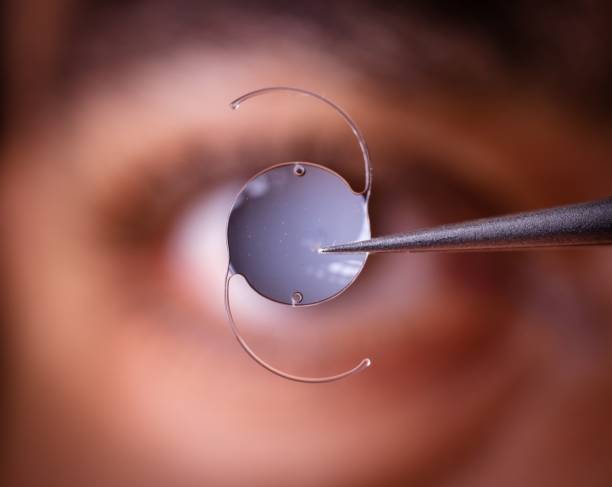
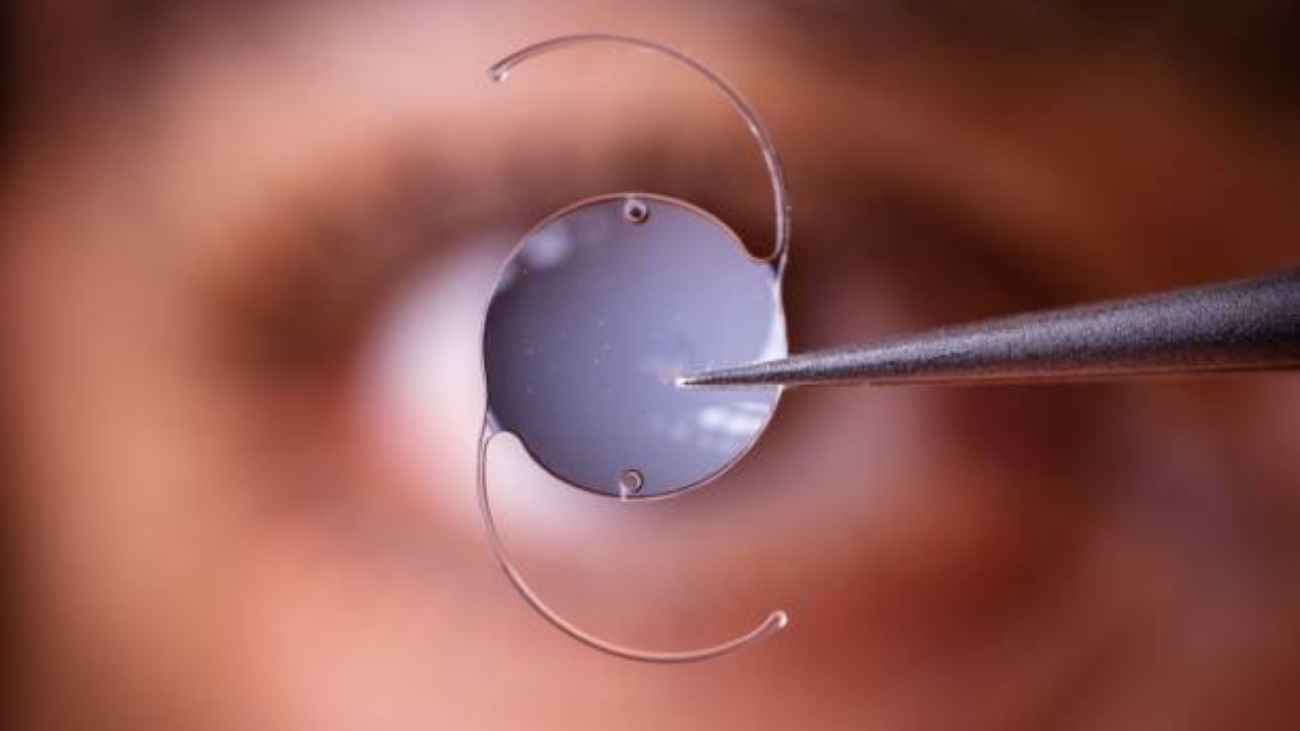
It is a simple surgical operation that involves implanting a new artificial lens in the eye over the original lens,

in the internal chamber of the eye, positioned in front of the original lens without affecting the cornea,

in order to reduce symptoms and side effects. The new lens is of high quality, transparency,

and is perfectly ideal.

The implanted artificial lens is made of high-quality materials called collamer,

which is a lightweight and flexible substance containing a small amount of pure, safe, and biocompatible collagen, in addition to acrylic, silicone, and protective materials against harmful ultraviolet rays.

It is soft enough to be introduced into the patient’s eye through a very precise surgical incision that does not exceed 2 millimeters in size.

The lens is folded during implantation and takes its appropriate shape when settled on the original lens,

with no implants or surgical stitches involved in this process.

In general, the principle of lens implantation is quite similar to that of contact lenses;

however, the implanted lens is more akin to a permanent medical lens implanted inside the eye rather than outside of it.

Advantages of lenses implantation surgery

Recently, lenses implantation surgery has spread widely and has become an approved therapeutic procedure in many medical centers. This is due to the numerous advantages of this surgery and its consideration as one of the best definitive treatments for many vision problems.

Among these advantages are:

  • Treatment of vision defects and severe refractive issues.
  • Very high safety level with no associated risks.
  • Local anesthesia suitable for all patients, unlike general anesthesia.
  • Quick and immediate results observed within 24 hours of the surgical procedure.
  • Suitable for patients with thin corneas who are excluded from most other eye surgeries.
  • Permanent, high-quality results that last a lifetime.
  • Completely safe for thin corneas, causing no thinning and requiring no removal of any corneal layers.
  • Rare side effects, with no incidence of dry eyes or inflammation resulting from the surgery.
  • No need to care for the lenses and replace or replace the sterile solution that preserves them.

Call us Whatsapp

Disadvantages of lens implantation

The drawbacks and disadvantages of lenses implantation surgery are considered to be very limited,

with most being minor side effects that occur immediately after the surgical procedure,

similar to any other therapeutic intervention. Among the most notable temporary issues are:

  • Burning, redness, and irritating itching after surgery.
  • Low incidence of eye bleeding.
  • Bacterial infections and inflammation due to poor hygiene of the tools and equipment used, which are completely unlikely at the Moatassem European eye center.
  • Displacement of the new lens from its position, which requires corrective surgery.
  • Extremely rare chances of retinal detachment.

Types of lenses implanted in the eye (ICL)

ICL lenses implantation surgery are divided into two types. The first type are lenses designed to be placed in the front chamber of the eye, specifically in front of the iris.

The second type are lenses designed to be placed in the back chamber of the eye,

specifically behind the iris and in front of the lens, regardless of the locations of the implanted lens.

However, its function depends on the patient’s condition and its types vary according to the following:

•        Monofocal lenses

One of the most common types of eye lenses, these lenses have the ability to correct one dimension,

and despite their spread, they do not suit all patients, and in most cases they help enhance the quality of vision when walking, driving, and reading.

•        Multifocal lenses

Multifocal lenses improve vision for both near and far objects because they include several focal points that adapt to nerve signals and enhance visual focusing capabilities.

These lenses are characterized by eliminating the need for the patient to have prescription glasses,

but they may not treat light circles permanently.

•        Extended depth-of-focus (EDOF) lenses

These lenses target a specific focal point, as these lenses work to expand and improve the field of vision and the power of focus.

They are among the best therapeutic lenses for seeing long and medium distances.

However, the loophole in these lenses is that they may sometimes require wearing prescription glasses in conjunction with them, especially when focusing at Close distances such as reading.

•        Phakic IOLs

Secondary corrective lenses address the problem of refractive myopia without having to compromise the eye’s original lens, and are a great option for those young patients who are nearsighted and for whom LASIK procedures are not suitable.

•        Toric IOLs

Toric lenses are designated to treat cases of astigmatism, in which the surface of the cornea is completely irregular.

These lenses treat visual distortions and corneal surface disorders with high quality and improve the quality of vision.

Call us Whatsapp

Steps for lenses implant surgery in the eye

The steps of lenses implantation surgery are straightforward and very simple,

consisting of brief steps that are performed in just a few minutes, classifying it as the shortest surgical procedure ever,

with an actual duration of no more than 5 minutes at the Moatassem European eye center.

However, there are a series of diagnostic steps that precede the surgery, such as corneal imaging,

measuring the dimensions of the anterior chamber of the eye, measuring pupil dilation, and more. The surgical steps include the following:

  1. First, the eye is anesthetized using anesthetic drops, as the surgery is performed under local anesthesia.
  2. Then, the surgeon makes a surgical incision in the eye using a surgical microscope that does not exceed 2 millimeters.
  3. This surgical incision is a precise cut in the cornea or sclera.
  4. The folded artificial lenses are then inserted through the opening.
  5. Once the folded lens is inserted, it takes its shape, unfurls, and is positioned correctly.
  6. The incision is left without stitches because it heals quickly.
  7. A sterile eye patch is placed over the eye to protect it from dust and dirt outside the center.
  8. The patch is removed within a few hours, and the results of improved vision become immediately apparent.

Tips after lenses implant surgery

Here are the post-operative tips recommended by Dr. Ahmed Al-Moatassem for patients after lenses implantation surgery.

aimed at ensuring patient safety and achieving the desired outcomes from the procedure:

  • Avoid using mobile phones and computers for extended periods.
  • Stay away from strenuous physical activities.
  • Avoid swimming or diving.
  • Gently wipe around the eyes with a damp tissue and avoid washing the eyes directly.
  • Refrain from bending or tilting the head downwards in the initial days, even when putting on shoes or picking something up from the ground.
  • Wear sunglasses when going outside during the afternoon.
  • Treat issues like coughing, sneezing, constipation, and diarrhea, as they exert strain that can affect the eyes.
  • Limit smoking, as it is the primary cause of delayed wound healing.
  • Avoid lifting heavy objects.
  • Prevent dust, sand, soap, and chemicals from entering the eyes.

Call us Whatsapp

Success Rate of Lenses Implant Surgery

Although all medical procedures and eye surgeries carry a small risk of potential complications,

lenses implantation surgery is very safe, especially when performed by a skilled surgeon like Dr. Ahmed El Moatassem.

The success of the procedure significantly depends on selecting the appropriate lens with the correct dimensions and performing the surgery with meticulous steps using modern tools.

In response to the question regarding the success rate of this procedure, it is approximately 100% with strong confidence at the Moatassem European eye center,

where it has been successfully performed on over 2,000,000 patients recently.

My Experience with Lenses Implant Surgery

Patient experiences and stories are the most powerful criteria for evaluating any treatment procedure or medical center.

Here is a story from one of our patients:

“During my sightseeing trip in the United Arab Emirates, my glasses became useless.

Although I had noticed a decline in my vision quality over the past few months, I completely ignored it.

However, the situation had become unbearable. The unique journey,

the nature, the sea, and the mountains had lost their colors and become blurry.

When I inquired about the best lens implant doctor in Dubai, I was directed to Dr. Ahmed El Moatasem,

whose kindness and support I will never forget. I went to the Moatassem European eye center for a diagnostic consultation, and after several tests,

Dr. Ahmad confirmed that my astigmatism had severely worsened and required prompt treatment. Within a few days, the surgery date was set.

I adhered to the pre-surgery instructions, such as refraining from wearing contact lenses and applying skincare products.

When I arrived at the Moatassem European eye center, I genuinely had never seen such care and focus on patient comfort from the management, nurses, and expert medical team.

The time for the surgery came, and I put on the surgical gown.

The doctor applied anesthetic drops to my eyes, and within a few minutes, I was told:

‘Thank God for your safety!’ An aseptic eye patch was placed on my eye, and I left the center within two hours.

The next day, my vision quality improved incredibly, and I saw the UAE again in its vibrant colors.

I sincerely thank the Moatassem European eye center and everyone involved, led by the outstanding Professor Dr. Ahmed El Moatasem. May your generosity continue.”

Cost of Lens Implant Surgery in Dubai

Readers cannot make a definitive decision regarding lens implant surgery anywhere, as this procedure, despite its simplicity, requires a high level of surgical skill, strong medical expertise, and precise execution. Therefore, there is no fixed cost for this surgery. The type of implanted lenses plays a significant role in determining the overall cost, as Dr. Ahmed El Moatasem relies on high-quality medical lenses imported from leading manufacturers in medical equipment and supplies.

Additionally, the readiness of the medical center and the modernity of the devices and tools used also significantly impact the price of the surgery. It’s essential for patients to consult with their chosen medical center to receive an accurate estimate based on their specific needs and circumstances.

Call us Whatsapp

Best Eye Doctor in the UAE for Lenses Implant Surgery

When discussing the best eye doctor in the United Arab Emirates or Egypt, there is generally one standout individual who deserves recognition: Dr. Ahmed El Moatasem. He is highly respected for his dedication and passion for his patients’ eye health, securing his position at the top among eye doctors in the Arab world.

With over 25 years of experience, Dr. Ahmed El Moatasem has established a remarkable career and is recognized for performing numerous Innovative treatments over the years. His commitment to exceptional patient care and prioritizing patient safety has earned him the trust and affection of many.

He founded the Moatassem European eye center in Dubai, a prominent medical facility that attracts thousands of Arab and foreign patients annually. His clinics in Cairo and Erbil also draw many patients due to his reputation and expertise. Dr. Ahmed El Moatasem deep medical knowledge and academic skills are further validated by his past role as a professor of ophthalmology at Ain Shams University and his accomplishments at the Royal College of Surgeons in Edinburgh.

In addition, he was a valued member of the American Academy of Ophthalmology in San Francisco and the International Society of Refractive Surgery. Dr. Ahmed Al-Moatasem is known for his dedication, compassion, and intense focus on the health of his patients, which has earned him certificates and experiences with patients that attest to his excellence.

Frequently asked questions

•        How long does the lens implantation procedure take?

The actual surgery lasts no more than 5 minutes. However, from the moment the patient enters the operating room, is prepared, undergoes the surgery, and has the bandage placed on the eye, the entire process takes approximately 30 minutes for one eye. Dr. Ahmad Al-Moatassem usually performs lens implantation for each eye separately, with a gap of one to two weeks between the surgeries.

•        When will vision return after lens implantation?

Lens implantation surgery provides rapid results, with improvements in vision evident within a few hours. The patient’s vision significantly improves by the day following the surgery, and the enhancement continues gradually for up to 6 months.

•        Who are the eligible patients for lens implantation?

Although lenses implantation surgery is a miraculous treatment for many vision defects, it is subject to strict eligibility criteria. Not all patients can qualify for this procedure unless they meet the following conditions:

  • The patient must be 18 years or older.
    • Must be free from chronic diseases, especially diabetes.
    • Patients must be excluded from LASIK surgery and referred for lens implantation due to corneal thinning.
    • Cases of severe or moderate myopia or hyperopia.
    • Patients with high myopia: -8 diopters and above.
    • Patients with high hyperopia: +5 diopters and above.

•        Is the lens implantation procedure dangerous?

lenses implantation surgery is considered one of the safest and most successful eye surgeries when performed at the Moatassem European eye center. However, there are undeniable risks associated with this procedure in other medical centers, including: eye bleeding, bacterial infection, and elevated intraocular pressure.

•        How long does it take for vision to clear after lens implantation?

After lens implantation, there is a significant likelihood of experiencing blurriness in vision right after the procedure. This blurriness typically lasts for a maximum of 2-3 days, after which the patient regains clear and optimal vision.

•        Can colored lenses be implanted in the eye?

This is a frequently asked question by many female patients at the Moatassem European eye center. Unfortunately, we must say that colored lenses cannot be implanted as is done with cosmetic contact lenses, because the medical lenses used in lens implantation are extremely small and highly transparent and may not be visible to the naked eye due to their precision. Thus, even if colored, they will not affect or alter the color of the iris in any way.

Call us Whatsapp

Treatment of keratoconus

Treatment of keratoconus

The most common eye disease among both the young and adults, the most widespread and easiest to treat, is keratoconus, in which the cornea degenerates to appear in a new shape different from its previous one, adversely affecting the quality of vision and life. Therefore, today we will explain the treatment mechanism for keratoconus at Moatassem European eye center, the best center for ophthalmology in the heart of Dubai and the United Arab Emirates. A definition of this condition, its causes, symptoms, and much valuable information await you. We will also conclude this article by answering the most frequently asked questions about this medical condition.

What is keratoconus?

Before discussing keratoconus, we need to understand the cornea of the eye,

which is a distinctive part of the eye characterized by an astonishing anatomical structure.

The cornea is located in front of the iris and is a curved dome made up of five layers, including two membranes. These layers consist of proteins, regular collagen fibers, and glycose.

They have high transparency across all their layers, do not contain any blood vessels,

and obtain the oxygen they need from the external air that touches them.

Therefore, it is positioned outside the eye and covers the front of the eye.

Its primary biological function is to gather incoming light rays into the eye and accurately project them through the regular collagen fibers onto the retina,

where they are converted into neural signals and sent to the brain.

Keratoconus, on the other hand, is a pathological condition characterized by the weakening of the collagen fibers that make up the layers of the cornea, leading to a change in its shape to a cone-like form. This results in a decrease in corneal thickness and a decline in visual quality due to the disruption in the transmission of light rays to the retina, following the change in the shape of the regular collagen scaffolding.

In some cases, keratoconus may be mild and treatable with corrective glasses,

or it may require a treatment procedure using the technique of corneal ring implantation,

which corrects its cone shape and restores its natural curvature.

However, in more advanced cases where no medical or surgical treatment can succeed, corneal transplantation becomes the definitive solution.

Symptoms of keratoconus

It should be noted that the symptoms of keratoconus in most cases become pronounced in the late stages of the condition,

where the state of keratoconus deteriorates and treatment with corrective glasses and simple procedures becomes unfeasible.

However, Dr. Ahmed El-Moatassem’s selection of the latest diagnostic devices and equipment in his center in Dubai

has alleviated these difficulties and made it possible to diagnose this condition at an early stage.

Of course, the initial diagnosis is significantly related to the experience of the ophthalmologist.

The common symptoms and signs include:

  • Blurred vision.
  • The need to constantly change the prescription of corrective eyewear if worn.
  • A rapid decline in visual acuity.
  • Difficulty in scrutinizing and reading.
  • Headaches resulting from concentrating on objects.
  • Scarring and scratches on the cornea in advanced stages.

Causes of keratoconus

Unfortunately, the causes of keratoconus remain unknown and mysterious to this day,

despite the well-known treatments for the condition.

There are no clear cases or factors that lead to the development of this eye disease.

However, based on the experiences of ophthalmologists and research statistics conducted over many years,

the likelihood of developing keratoconus increases among certain patients:

  • Patients with a family history of keratoconus, especially among first-degree relatives.
  • Cases where the patient frequently rubs their eyes, particularly in instances of seasonal allergies known as ‘Vernal ophthalmia,’ which can lead to itching and a burning sensation.

Treatment of keratoconus

The treatment of keratoconus in the UAE or any other Arab country is divided into several types,

depending on the treatment method and the patient’s condition.

The diagnosis of keratoconus is confirmed after following a series of diagnostic steps,

which include a comprehensive eye examination, measuring corneal thickness, and corneal topography.

Once the condition is confirmed, we proceed to the most appropriate treatment method.

We will provide a brief overview of each of these treatments in the following lines:

•        Corrective Medical Lenses 

Therapeutic lenses are the first solution in cases of primary keratoconus,

as they are utilized for early diagnosis of this condition. These lenses include several types, such as:

–          Rigid Gas Permeable Contact Lenses

They are long-lasting contact lenses that consist of a porous structure and are therefore permeable to gases and vapors.

They are characterized by the fact that they do not take the shape of keratoconus, which is characterized by convexity,

but rather maintain a precise and therapeutic shape, unlike soft cosmetic or medical lenses.

The shape and structure of gas permeable lenses allow vision correction and allow Oxygen reaches the cornea of ​​the eye,

which depends on the oxygen of the outside air, so it is safe for everyone.

–          Piggyback Lenses 

These consist of a pair of lenses, with the first being made of a soft material that provides a comfortable base for the second lens, which is hard and rigid.

Piggyback lenses are a good and ideal alternative for patients who experience discomfort when using rigid gas permeable lenses, as they offer greater comfort.

–          Hybrid Lenses 

These are a unique combination of the previous two types.

Hybrid lenses were developed to combine the advantages of both rigid gas permeable lenses and soft dual lenses.

Hybrid lenses feature a hard center designed to correct vision and enhance visual quality while allowing oxygen to pass through,

with soft, comfortable edges that do not cause any irritation or heaviness on the eye.

–          Scleral Lenses 

Scleral lenses are contact lenses characterized by their large circular diameter that rests on the sclera of the eye,

partially covering both the cornea and the sclera (the white part of the eye).

They are among the best treatments for severe keratoconus cases where previous types of lenses cannot be used due to significant corneal distortion.

These lenses are known for their comfort and significantly improve visual quality,

as they do not exert any direct pressure on the cornea and do not come into direct contact with it;

instead, they rest on the white part of the eye.

•        Keratoconus Stabilization 

As suggested by the name of this procedure, keratoconus stabilization aims to maintain the condition at a certain level to prevent future deterioration.

This is accomplished through the use of a surgical ophthalmologist special eye drops with the active ingredient “riboflavin” onto the surface of the cornea,

after scraping away the epithelial cells present on it. Subsequently,

a source of ultraviolet light is directed onto the cornea to enhance the strength and bonding of the collagen fibers within its structure and to prevent regression.

This procedure requires advanced medical skills to avoid complications,

which are available at the highest quality at the Moatassem European eye center.

•        Corneal Ring Implantation 

Corneal ring implantation is utilized for moderate cases of keratoconus that do not respond to keratoconus stabilization or corrective eyewear.

In this procedure, special rings are implanted between the layers of the cornea using femtosecond laser technology.

This, in turn, helps to modify the corneal surface and reduce its steepness. After the corneal rings are implanted,

the steps outlined in the keratoconus stabilization technique are followed to enhance the stability of the keratoconus treatment results and prevent relapse after treatment. It is important to note exceptions, such as in cases of corneal thinning, where ring implantation is not suitable and is instead replaced with surface laser treatment based on corneal topography, followed by keratoconus stabilization.

•        Corneal Transplantation 

The definitive solution for keratoconus is the complete replacement of the cornea with a defect-free cornea from a donor.

This is performed in cases where the disease is extremely advanced.

However, there are situations where not all layers of the cornea are replaced, which leads to various forms of this procedure as follows:

–          Full Corneal Transplantation 

In this case, the entire cornea, including all its layers,

is replaced with a completely healthy human cornea obtained from a deceased donor.

–          Partial Corneal Transplantation 

This involves replacing the superficial layers of the cornea that have experienced excessive steepening and deterioration of collagen connections with new corneal layers,

while preserving the endothelial cells on the surface of the posterior cornea. In this scenario, the risk of immune rejection is minimized.

Best Doctor for Keratoconus in Dubai 

Keratoconus is a relatively complex ocular condition, characterized by many diagnostic and therapeutic challenges.

This condition progresses rapidly, making it difficult to detect in its early stages.

However, the word “difficult” is not in Dr. Ahmed El-Moatassem’s dictionary,

as he is the leading surgeon for keratoconus procedures, being one of the first Arab doctors to treat this condition with a high level of professionalism in both Eastern and Western countries.

As a result, the title of the best ophthalmologist in the UAE and Egypt is solely associated with Dr. Ahmed El-Moatassem,

a Fellow of the Royal College of Surgeons in Edinburgh, a member of the American Academy of Ophthalmology in San Francisco, and a Professor of Ophthalmology at the University of Cairo.

His extensive experience of over 24 years includes tens of thousands of successful keratoconus surgeries utilizing various techniques,

attracting patients with keratoconus, cataracts, refractive errors, and many other conditions to the Moatassem European eye center in Dubai and his clinics across the Arab world. Dr. Al-Mu’tasim’s center has been a pioneering medical destination, featuring a specialized medical team that includes top Arab doctors from various specialties, leaving an unforgettable therapeutic mark and prioritizing patient health and safety as the utmost goal pursued by the entire team.

Best Hospital for Treating Keratoconus in the UAE 

Every patient suffering from keratoconus should choose the best hospital for keratoconus treatment in the United Arab Emirates or abroad, as the eye is a person’s window to the world.

The symptoms of keratoconus negatively impact not only the quality of vision but also the overall quality of life for the patient,

affecting even the smallest details of their daily routine. In this context,

the Moatassem European eye center for Ophthalmology matches the best global hospitals with its exceptional medical capabilities.

It boasts an unparalleled team of expert doctors, each with a career rich in medical achievements and promising skills,

ranging from corneal treatment to retinal care, eye and eyelid cosmetic procedures, and improving overall life vision.

Frequently Asked Questions 

•        What is the best treatment for keratoconus? 

All the treatment methods previously mentioned are distinguished and approved procedures at the Moatassem European eye center and in all global ophthalmology centers, ranging from corneal cross-linking with riboflavin to the implantation of corneal rings and even partial or full corneal transplants. It is important to note that LASIK for keratoconus is entirely inappropriate and cannot be adopted in this case, regardless of any exceptions.

However, the preference ultimately rests with the skilled surgeon who can successfully execute any medical procedure, as is the case with Dr. Ahmed El-Moatassem,

whose track record of successful surgeries speaks to his expertise and experience.

•        What is the cost of keratoconus surgery in the UAE? 

The cost of keratoconus surgery in the United Arab Emirates depends on many factors,

including the level of the hospital or medical center, the experience of the surgeon,

additional healthcare services, the type of treatment procedure used, the stage of keratoconus,

the patient’s condition, and many other details. Therefore, a fixed cost cannot be agreed upon,

but at the Moatassem European eye center,

we strive to analyze the costs of all therapeutic services to provide the highest possible quality,

with treatment costs for keratoconus starting from $3,000 and above based on the aforementioned details.

•        Does keratoconus cause blindness? 

No, while keratoconus significantly impacts the quality and accuracy of vision in very advanced cases, it does not lead to complete vision loss or blindness.

•        At what age does keratoconus stop progressing? 

In reality, keratoconus continues to progress and deteriorate with the passage of years, but there is no fixed rule for the limits of its stabilization. For some patients, keratoconus may stabilize at a certain age, and in more common cases, it stabilizes between the ages of 30 and 40.

•        How does a patient with keratoconus see? 

A patient with keratoconus sees objects as distorted and unclear, appearing very blurry, much like viewing through fogged glass. Additionally, keratoconus patients face greater challenges in low-light conditions and experience significant discomfort when looking at bright light sources.

•        What is the success rate of keratoconus surgery? 

Each treatment procedure related to keratoconus has a specific success rate. The success rate for keratoconus cross-linking at the Moatassem European eye center is 99% or more.

•        How long does keratoconus treatment take? 

Most keratoconus procedures at the Moatassem European eye center take approximately 15 minutes per eye. However, if the procedure is dual, such as in the case of corneal ring implantation combined with riboflavin cross-linking or corneal cross-linking, the procedure may take 60 minutes or more.

•        Is keratoconus surgery in Dubai risky? 

Keratoconus surgery, particularly corneal transplantation, carries some risks and complications that cannot be overlooked, including bacterial infections or ocular inflammation, bleeding, blurred vision, glaucoma, astigmatism, or even immune rejection of the cornea. All these are potential medical conditions and complications that can arise from keratoconus surgery if not performed under the supervision of an expert ophthalmic surgeon. However, thanks to the genuine medical expertise of Dr. Ahmed El-Moatassem, these risks and complications are nearly nonexistent at the Moatassem European eye center.

•        What is the new treatment for keratoconus in 2024? 

There is no completely new treatment for keratoconus in 2024, but advancements in diagnostic tools for this condition have increased patient awareness and understanding. Additionally, the dissemination of educational information about eye diseases has enhanced patients’ knowledge about the details of this condition.

Laser Vision Correction Procedures

Laser Vision Correction Procedures

Laser vision correction procedures are the most well-known eye surgeries, characterized by their effectiveness, immediate results, and optimal vision. Today, this procedure has become the most widespread across all Arab countries, and there is hardly a household that does not have experience with laser eye surgery. However, do the laser procedures differ? What are the best types of vision correction surgeries? And what are the requirements? We will answer all these questions and more, based on insights from Dr. Ahmed El-Moatassem, the best ophthalmologist in Dubai and the United Arab Emirates. Follow us in this comprehensive guide.

Laser Vision Correction Procedures

Laser vision correction procedures are considered one of the best therapeutic interventions for refractive vision problems. This technique relies on laser beams to correct vision and reduce the dependence on glasses or contact lenses. The mechanism of these procedures is based on reshaping the cornea, located at the front of the eye, to improve the quality of vision by normalizing light refraction.

Laser procedures are characterized by their ability to enhance vision quality by up to 95%. Additionally, their side effects and complications are extremely limited, making them a suitable solution for patients who are not good candidates for other treatment options. However, there are some drawbacks that cannot be overlooked, the most notable of which includes delayed improvement in vision results, the necessity of wearing an eye patch post-surgery, and the bothersome dry eye that may follow the procedure. Furthermore, laser procedures can lead to visual disturbances, especially when viewing bright lights, and may cause noticeable redness in the sclera of the eye, which typically fades within a few weeks.

Types of Vision Correction Procedures

Traditional Laser Surgery 

The traditional laser procedure is the first approved laser surgery. This procedure has relied on a fixed mechanism since its inception and continues to do so today. In this procedure, the surgeon uses laser beams to create an incision in the superficial layer of the cornea, forming a single-sided hinged flap referred to as a “flap.” The flap is lifted and displaced away from the inner layers of the cornea. Another type of laser is then directed to address distortions and shape changes in the inner layers of the cornea. This therapeutic laser is often linked to a computer system that records the patient’s data and the topographic map of the eye to treat the condition accordingly. After the treatment, the hinged flap is replaced in its original position, where it heals automatically over a span of several days.

Every patient over the age of 18 is eligible for this procedure, provided their vision has been stable for at least one year prior to the surgery. Additionally, the patient must be free from autoimmune diseases, ocular inflammations, and particularly dry eye, as traditional laser surgery may lead to significant dryness that increases the risk of bacterial infection.

Surface Laser PRK 

One of the oldest types of vision correction lasers, the surface laser is based on the principle of ablating the transparent superficial layer of the cornea and modifying the shape of the inner layers using laser beams to adjust light refraction and improve visual quality based on recorded data and diagnoses.

This procedure is suitable for patients who are 21 years of age or older, with visual impairment ranging from -1.00 to -12.0 diopters, and it requires that the patient’s vision has been stable for at least one year prior to the procedure.

Femto LASIK 

The Femto LASIK procedure is classified as a modern therapeutic intervention that utilizes a special laser known as “femtosecond laser.” This laser is used to create a flap with extremely precise incisions without affecting or damaging the inner cornea. The subsequent steps for creating the flap are very similar to those of traditional laser procedures, where the shape and condition of the cornea are adjusted based on the data programmed into the therapeutic excimer laser, which corrects the corneal topography as pre-programmed.

It is important to note that this procedure is particularly suitable for patients with thin corneas, and the success rate and safety of Femto LASIK are very high since it involves no surgical incisions or invasive procedures, thereby significantly reducing complications and side effects.

Femto Smile 

The Femto Smile technique has also been recently developed as a modern laser treatment for the eyes. This technique involves making a precise surgical incision at the edge of the cornea using the femtosecond laser. Through this incision, corneal issues and its external shape are corrected using the programmed femto laser according to predefined dimensions and data. The crucial aspect of this technique is that it does not require the creation of a flap in the eye, as seen in previous procedures; instead, it simplifies the flap creation process by making a precise surgical incision through which the cornea is reshaped.

This procedure is suitable for all patients aged 22 and above, provided their vision has recently stabilized. However, it excludes patients with glaucoma (high intraocular pressure) or those with autoimmune diseases. Notably, the Femto Smile procedure is not suitable for patients with hyperopia or astigmatism but is specifically designed for myopia patients, which is considered a significant drawback of this procedure.

Trans-Epithelial Laser 

The Trans-Epithelial Laser addresses severe vision issues without the use of scalpels or surgical instruments; instead, it relies solely on laser beams, alongside measuring corneal thickness throughout the procedure to ensure high safety and efficacy results while comparing the practical outcomes with the planned results. It is essential to highlight that this procedure targets the outer surface of the eye without the need to create a flap, lift the cornea, or heat the cornea. The “seven-dimensional” monitoring feature allows for the observation of the eye from all directions and angles during laser treatment.

Call us Whatsapp

Success Rate of Vision Correction Surgery 

Laser vision correction procedures are considered among the most successful therapeutic interventions, with thousands of laser surgeries performed daily. This high frequency is attributed to numerous advantages of laser procedures, including:

  • Significant improvement in vision quality, with correction rates for refractive vision problems ranging from 95% to 98%.
  • No need for surgical sutures or annoying dressings, as the laser procedures that create a flap in the eye allow the flap to return to its original position to heal naturally after the procedure.
  • Attainment of permanent and high-quality results, regardless of aging or genetic conditions.
  • Rapid recovery with the initial results noticeable within 48 hours, allowing a return to normal life within two days.
  • Complete elimination of the need for glasses or contact lenses used to enhance vision.

Conditions for Eye Laser Surgery 

The conditions for performing laser vision correction procedures may vary slightly depending on the type of laser surgery, but there are some stringent criteria that cannot be changed, including:

  • Being over the age of 18, as vision becomes more stable after childhood.
  • Stability of any changes in vision quality for at least one year before undergoing the procedure.
  • Good ocular health, free from diseases and bacterial infections, as well as the patient being free from autoimmune diseases.
  • Regular and smooth corneal shape, meaning that the cornea should not be conical.
  • Sufficient corneal thickness to qualify for the laser procedure.
  • Female patients must not be pregnant or breastfeeding at all.

Post-Laser Eye Surgery Tips 

The post-operative phase of laser vision correction is an integral part of the treatment, as optimal care and strict adherence to the doctor’s guidelines represent half of the recovery and desired outcomes. The following are key medical recommendations after the procedure:

  • Ensure adequate sleep and rest.
  • Avoid strenuous exercise and intense activities in the initial days following the surgery.
  • Refrain from showering or allowing water to come into contact with the eyes; instead, gently clean the area around the eyes with a clean, damp cotton cloth.
  • Avoid swimming, saunas, and steam baths for several weeks post-surgery.
  • Wear sunglasses during the afternoon to protect against harmful ultraviolet rays, and use specialized glasses for water sports.

Call us Whatsapp

Best Eye Doctor in Dubai 

The title of the best eye doctor in Dubai belongs to one individual who has worked diligently to earn the top position without dispute:

Dr. Ahmed El-Moatassem. He is renowned for his exemplary reputation,

impactful medical contributions, and distinguished experiences and achievements throughout the Middle East. 

A professor of ophthalmology at Ain Shams University, a fellow of the Royal College of Surgeons in Edinburgh,

a member of the American Academy of Ophthalmology in San Francisco, and a member of the International Society of Refractive Surgery,

Dr. Ahmed’s professional journey is marked by valuable milestones. He has published dozens of scientific papers in top international medical journals and participated in numerous conferences and seminars related to ophthalmology and its advancements globally.

He consistently attends exhibitions for the latest global laser, diagnostic,

and eye treatment equipment to select the best and most advanced technologies for the Moatassem European eye center,

the premier Arab center in the field of ophthalmology and its surgery.

Best Laser Center in the UAE 

The Moatassem European eye center is recognized as the best eye center in the United Arab Emirates, under the supervision of Dr. Ahmed El-Moatassem, who has meticulously focused on the aesthetic and functional details of the center to position it as the number one ophthalmology and surgical facility in Dubai. 

Dr. Ahmed has attracted a group of experienced medical professionals from around the world and has invested in acquiring the latest medical equipment, diagnostic tools, and advanced technologies. He has also paid careful attention to the center’s design, facilities, and furnishings, establishing a professional administrative and nursing team.

The Moatassem European eye center operates in a collaborative and supportive manner unlike any other,

with each member focused on their responsibilities and prioritizing the comfort and health of the patient’s eyes. 

Thus, we see that the latest laser devices for treating refractive eye diseases are exclusively available at our center,

and we work as a united family, with the comfort and optimal health of our patients being our ultimate goal.

Call us Whatsapp

Frequently Asked Questions

•        Does vision return to 6/6 after LASIK surgery? 

Yes, if the laser procedure is performed in a reputable medical center by a skilled and proficient surgeon,

vision quality can improve by 98%, achieving 6/6 vision after the surgery.

•        How long does vision correction surgery take? 

Generally, laser vision correction procedures take between 10 to 15 minutes.

There may be slight exceptions depending on the patient’s condition, but laser surgeries are typically known for their speed and high safety.

The results of vision improvement following the laser procedure may appear as early as the day after the surgery, although it can take several weeks,

with recovery times ranging from one month to three months.

•        Is laser eye surgery painful? 

Laser vision correction is not considered painful. At the start of the procedure,

the doctor applies topical anesthetic drops to ensure the patient feels no pain during the operation.

The patient may only feel slight pressure on the eye due to the surgical incision.

Some discomfort or irritation can be noticed during the first day after the procedure,

along with a feeling of itchiness and eye irritation that may last for several days.

•        What are the offers for vision correction surgeries at the Moatassem European eye center in Dubai? 

There are no fixed promotions for laser vision correction at Dr. Ahmed El-Moatassem’s clinic in the United Arab Emirates or Egypt because the prices of all medical procedures at the center are very reasonable and well-considered from various perspectives, thereby aligning with promotional prices at other medical centers. Given that the safety and health of patients are our top priorities, we advise everyone not to be swayed by the appeal of “laser vision correction offers in Dubai” or elsewhere, as these promotions are often handled by newly graduated doctors with limited experience, leading to variable success rates, which we do not endorse at our center.

•        What is the cost of vision correction surgery in Dubai? 

The costs of ophthalmic procedures at the Moatassem European eye center are suitable for all patients,

despite the center’s high-end readiness and the modernity and advancement of diagnostic and treatment equipment,

as well as the comprehensive healthcare services and the cordiality of the center’s staff. 

Thus, the final cost depends on the surgeon’s experience, reputation,

and patient outcomes, the type of laser used, and any pre- and post-operative procedures and examinations.

The cost of laser surgeries in the UAE typically ranges from $2,000 to $8,000, subject to increase or decrease.

•        What are the complications of laser vision correction procedures? 

Undoubtedly, medical procedures, no matter how safe, come with risks and complications that cannot be ignored.

This applies to laser vision correction surgeries, especially if performed in medical centers with low quality and limited professional experience.

Some of the potential complications include: 

  • No improvement in vision and continued issues with blurred sight due to errors in vision correction. 
  • Overcorrection causing additional vision problems. 
  • The emergence of astigmatism stemming from an incorrect procedure that results in an irregular corneal surface. 
  • Incorrect correction of vision issues due to insufficient tissue being removed from the surface of the cornea.

•        Is laser vision correction recommended? 

Yes, because laser vision correction procedures have become strong, reliable, and trusted today.

They yield highly accurate results and can effectively treat nearly all refractive vision problems.

The golden advice is to have laser vision correction specifically at Dr. Ahmed Moatassem eye center in the heart of the United Arab Emirates, where the desired results, ideal vision, and superior medical skill are achieved.

•        What is the best procedure for vision correction? 

All laser vision correction procedures are exceptional and yield excellent results,

thanks to the outstanding medical expertise at the Moatassem European eye center.

However, each patient’s case, whether they have myopia, hyperopia, or astigmatism, may require a specific type of laser tailored to their needs.

•        Who are the individuals who cannot undergo vision correction surgery? 

While laser vision correction procedures are safe for a very broad range of patients with refractive vision problems,

there are specific groups for whom these surgeries are completely contraindicated,

and any laser procedures are prohibited. These include: 

  • Pregnant and nursing women. 
  • Patients with autoimmune diseases. 
  • Patients with chronic dry eye. 
  • Cases of corneal inflammation. 
  • Patients with cataracts. 
  • Severe myopia cases. 
  • Patients with corneal thinning. 
  • Patients under 18 years of age.

Call us Whatsapp

The Best Cornea Doctor in Dubai

The Best Cornea Doctor in Dubai

The cornea is one of the most sensitive and remarkable parts of the human eye. It serves as the eye’s outer surface and is responsible for refracting incoming light rays onto the retina due to its high transparency. However, because the cornea is positioned externally and exposed to air, it is highly susceptible to various diseases and disorders. This makes finding the best cornea Doctor in Dubai or the entire Arab world an absolute necessity.

At El-Moatassem European Center, we will introduce you to the The Best Cornea Doctor in Dubai specializing in corneal diseases, along with detailed information about the cornea, its functions, associated diseases, and more.

What Is the Cornea?

The cornea is defined as the transparent tissue located at the very front of the eye. It is entirely devoid of blood vessels and receives the necessary oxygenation directly from the external air.

The cornea is one of the most sensitive vital tissues in the human body due to its rich supply of sensory nerve fibers. Its pain receptor density is 600 times greater than that of the skin and 40 times higher than that of teeth. Thus, any damage to the cornea results in severe pain.

Thanks to its high transparency, the cornea allows incoming light rays to pass easily into the eye, reaching the retina, which translates these light signals into clear images in the brain.

Layers of the Cornea

The cornea consists of five layers: three tissue layers separated by two membranes. These layers, from front to back, are as follows:

  • Corneal Epithelium: A non-keratinized cellular epithelial tissue composed of continuously regenerating cells. This layer remains moist due to natural tears and is the most critical layer for determining refractive power.
  • Bowman’s Layer (Anterior Limiting Membrane): An irregular layer made of tightly packed, randomly arranged collagen fibers, with a thickness of 8–14 micrometers.
  • Corneal Stroma: The thickest and most transparent middle layer, composed of organized collagen fibers and various cells. It consists of approximately 200 stacked layers, each about 2 micrometers thick, accounting for 90% of the cornea’s total thickness.
  • Descemet’s Membrane: A thin cellular membrane representing the basement membrane of the corneal endothelium. New cells grow from this layer, primarily composed of type IV collagen fibers, with a thickness of about 15 micrometers (varying by age). Directly in front of this membrane lies Dua’s layer, an extremely thin yet strong layer capable of withstanding pressures up to 2 bar. Some scientific references consider Dua’s layer as a sixth corneal layer.
  • Corneal Endothelium: A single-layered tissue composed of cells rich in mitochondria, with a thickness of 5 micrometers. These cells do not regenerate but expand to compensate for damaged ones. This layer is crucial for fluid balance, and any dysfunction can lead to corneal swelling, reduced transparency, and blurred vision.

Causes of Corneal Diseases

Before identifying the best cornea Doctor in Dubai or understanding corneal diseases, it’s essential to recognize the key factors that lead to corneal disorders, including:

  • Bacterial infections: Caused by improper use of contact lenses, expired eye drops, or incorrect eye surgeries.
  • Viral infections: Resulting from viruses such as herpes simplex, chickenpox, or shingles.
  • Fungal infections: Due to mold exposure, high humidity, or contaminated eye care tools.
  • Physical trauma: Foreign objects entering the eye, scratches, wounds, or burns to the cornea.
  • Chronic diseases: Diabetes, chronic conjunctivitis, or rheumatoid arthritis.
  • Prolonged or improper contact lens use.
  • Exposure to chemicals, fumes, or eye-irritating smoke.
  • Genetic disorders: Affecting the cornea, such as keratoconus or corneal dystrophies.
  • Severe chronic dry eye: Leading to corneal abrasions.
  • Excessive UV radiation exposure: Known as “snow blindness.”
  • Vigorous eye rubbing: Causing corneal damage or worsening injuries.

Most Common Corneal Diseases

Given its external position, the cornea is highly vulnerable to diseases from daily environmental exposure. Choosing the best cornea Doctor in Dubai is crucial for treating these conditions. The most prevalent corneal diseases include:

·         Corneal Abrasions

Occur when the cornea is scratched by sharp objects, fingernails, or during activities like welding/carpentry. Symptoms include excessive tearing, sharp pain, inability to open the eye, redness, and irritation. Removing foreign particles and using antibiotics typically relieves symptoms, with healing within 3 days.

·         Corneal Opacity

May be congenital or age-related due to unexplained tissue damage. Severe inflammation, burns, or trauma can also cause opacity, significantly impairing vision. Treatment often requires surgical intervention.

·         Bacterial Keratitis

A bacterial infection causing ulcers on the cornea’s surface, potentially penetrating deeper layers within 24 hours. Treated urgently with antibiotic eye drops or ointments; unlike viral cases, the eye is not patched.

·         Viral Keratitis

A viral infection leading to corneal ulcers. Treated with antivirals and antibiotics, often with a sterile patch to aid healing. Untreated cases (e.g., measles, trachoma, or shingles) may cause vision loss.

·         Herpes Zoster (Shingles) of the Cornea

Rarely, the chickenpox virus reactivates in nerves, spreading to the cornea. Symptoms include corneal blisters, fever, and severe neuralgia. Spontaneous recovery is possible with antiviral eye drops. Higher risk in immunocompromised individuals over 65.

·         Keratoconus

An abnormal corneal bulge due to genetic factors, chronic steroid use, or vigorous eye rubbing (e.g., vernal keratoconjunctivitis). Disrupts light refraction, blurring vision. Early stages are managed with specialized glasses or therapeutic lenses; advanced cases require surgical correction or corneal transplantation.

Symptoms of Corneal Disease

In cases of minor corneal injuries, the eye often heals spontaneously. However, for advanced conditions, it is crucial to consult the best cornea Doctor  in Dubai for a comprehensive treatment plan. Below are common symptoms shared by most corneal diseases, indicating the need for medical evaluation:

  • Burning pain in the eye.
  • Blurred or cloudy vision.
  • Excessive tearing.
  • Redness and irritation.
  • Severe light sensitivity (photophobia).
  • Corneal scarring.

How Corneal Diseases Are Diagnosed

Evaluating and diagnosing corneal conditions requires specialized tools and advanced techniques, available at El-Moatassem European Center under the expertise of Dr. Ahmed Al Moatasim, a leading cornea Doctor with decades of experience. Key diagnostic methods include:

  • Corneal Biomicroscopy: Examines all corneal layers under a medical microscopek and it Uses multi-angle light beams to assess the cornea’s response, it’s routine procedure in most corneal evaluations.
  • Corneal Refractive Power Measurement: Essential for prescribing therapeutic lenses or planning corneal implant surgeries.
  • Corneal Topography: Advanced imaging maps the cornea’s surface with color-coded precision to detects elevations, depressions, astigmatism, or keratoconus.
  • Pachymetry (Corneal Thickness Measurement): Measures corneal thickness to assess tolerance for surgical interventions.
  • Corneal Specular Microscopy: Evaluates endothelial cell density and regenerative capacity.
  • Corneal Sensitivity Test: Assesses the cornea’s ability to focus light onto the retina.
  • Corneal Staining (Fluorescein or Bengal Rose): Reveals surface defects using safe dyes under specialized imaging.

Can Corneal Diseases Be Prevented?

  • Yes! The risk of corneal diseases especially infectious ones (bacterial or viral) can be reduced by: Avoiding direct contact with infected individuals of conjunctivitis or keratitis patients.
  • Never sharing eye makeup, contact lens solutions, or trial lenses.
  • Not reusing eye drops between individuals.
  • Washing hands and eyes with warm water and soap for ≥30 seconds after exposure to infections.
  • Scheduling annual check-ups with the best cornea specialist in Dubai (e.g., at El-Moatassem European Center) for early detection and treatment.

Corneal Transplantation

The cornea undergoes various types of treatments, such as keratoconus stabilization using riboflavin and ultraviolet light, corneal ring implantation, and many other diverse therapeutic methods. However, corneal transplantation remains the most renowned procedure, consistently capturing patients’ curiosity as it is one of the types of human organ transplantation. Naturally, this procedure requires the expertise of the best corneal specialist in Dubai.

The surgical corneal transplantation procedure involves replacing the damaged or diseased cornea with a healthy one obtained from a recently deceased donor or even a high-quality artificial cornea. This procedure enhances vision quality and alleviates pain resulting from corneal injuries.

The primary factors necessitating corneal transplantation include: Corneal damage and degenerative diseases, Keratoconus, Chronic inflammations, Congenital deformities

The procedure can be performed as: Full-thickness corneal transplantation (Penetrating Keratoplasty): Complete replacement of the cornea.

Partial-thickness transplantation (Lamellar Keratoplasty): Replacement of specific corneal layers with healthy ones.

At El-Moatassem European Center, the success rate of this procedure exceeds 95%, owing to Dr. Ahmed El-Moatassem’s extensive expertise and the advanced medical technologies and equipment utilized in the center.

The Best Corneal Doctor in Dubai

Choosing the best corneal Doctor in Dubai means selecting a highly skilled ophthalmologist with extensive years of experience, outstanding academic qualifications, consistently positive treatment outcomes, and professional medical methodologies, depending of these qualities and morals, The esteemed Professor Ahmed El-Moatassem is the top specialist you seek.

With over 20 years of experience, a career rich in achievements and honors, and the most prestigious PhD certifications in ophthalmology, you can rest assured that Dr. Ahmed is among the elite ophthalmologists in the Arab world, Why?

Because he is the first surgeon globally to perform corneal ring implantation for keratoconus in the United States, UAE, and Egypt.

This distinction also applies to his expertise in cataract surgeries, LASIK vision correction, and corneal lens implantation.

Dr. Ahmed El-Moatassem has authored dozens of scientific research papers on eye and corneal health during and after his studies in the United States.

He served as a distinguished university professor at Ain Shams University, training future ophthalmologists worldwide.

ang he is an active member of: The Royal College of Surgeons, The International Society of Refractive Surgery, The American Academy of Ophthalmology.

Most importantly, he established the premier eye care center in the UAE, specifically in Dubai, making it the primary treatment destination for corneal and general eye diseases for patients from around the world.

Cataract surgery

Cataract surgery in the UAE

What is cataract surgery in the UAE? What is its cost? When do its results appear? All of them are important questions for every eye patient who suffers from vision problems that hinder him from performing his daily tasks and his life’s affairs. We, in turn, from the Moatassem European eye center, will answer all these questions from a medical point of view, by quoting from the elite ophthalmologists at the international level. If you or a member of Your family suffers from cataracts and you would like to know more about this condition and its treatment Follow us.

The concept of cataract disease

It is a clouding of the lens of the eye, affecting the quality of vision and causing blurred vision. The level of visual damage varies depending on the severity of the cataract.

In the vast majority of patients, cataracts develop at the age of 40 years and above, but there is a small percentage of infants and young people suffering from this condition as well.

Symptoms and signs of cataract

The cataract surgery addresses a wide range of symptoms associated with cataracts that significantly affect the patient’s quality of life, including: 

  • Blurred vision without pain. 
  • Double vision. 
  • Difficulty seeing at night. 
  • Reduced color contrast and yellowing. 
  • Difficulty reading in dim lighting conditions. 
  • Light sensitivity and discomfort from glare

Call us Whatsapp

What is cataract surgery in the UAE?

Cataract surgery in the UAE is a simple procedure aimed at removing the cloudy lens from the eye, especially since topical and systemic treatments for this condition are entirely ineffective; treatment involves only surgical intervention.

The process begins with a comprehensive diagnostic phase to confirm the presence of cataracts and the necessity for cataract surgery.

This is achieved through a thorough eye examination that rules out more severe eye diseases affecting the optic nerve and retina,

along with measuring corneal curvature and examining the tear duct. It is important to note that the deterioration of cataracts can vary significantly among patients,

manifesting either gradually over many years or progressing rapidly,

as seen in diabetic patients. Therefore, outdated diagnoses may not be beneficial for everyone and cannot be relied upon.

As for the concept of cataract surgery, it is a surgical procedure in which the cloudy lens of the eye is removed and replaced with a new, defect-free lens that ensures optimal vision without complications. This is performed through a surgical technique called “phacoemulsification”,

which involves making a small incision of no more than 2.8 millimeters in the cornea to facilitate the lens replacement.

Steps for cataract surgery in Dubai

Dr. Ahmed El-Moatassem performs cataract surgery in the UAE with the highest levels of professionalism and surgical skill, ensuring complete healing for the patient and achieving excellent treatment outcomes. The steps of this procedure include:

  1. Initially, the patient is prepared for the surgical procedure by applying anesthetic eye drops.
  2. The surgeon begins the operation by introducing a very precise instrument into the lens, which is an indirect laser that relies on thermal energy in fractions of a second to fragment the cataract using ultrasound technology or thermal incision that melts collagen bonds, creating an incision in the capsule with a thickness ranging from 4.5 to 6.5 millimeters.
  3. After the cataract is fragmented, the lens is flushed with fluid pulses, and all remnants are removed to leave the capsule completely clear (lens emulsification) using the “Zepto” capsule puncture device, which relies on the nano-effect in the lens capsule, or through the Fako device in conjunction with femtosecond technology.
  4. The artificial lenses are then implanted into the lens capsule through an extremely small incision in the cornea.
  5. If the replacement lens is of the IOL type, its sides are opened to ensure it is securely placed in the correct position.
  6. After the lens is implanted, the light focus reaching the back of the eye on the retina is corrected with ease, thereby addressing vision problems and improving its quality.

Cataract surgery techniques

The techniques used in cataract surgery in the UAE vary specifically during the lens emulsification stage based on the condition and the equipment utilized, including:

  • Ultrasound: After making a surgical incision in the eye lens, the cataract is fragmented using ultrasound waves.
  • Femtosecond Laser: This device creates precise incisions in the cornea to treat Astigmatism and accurately fragment the lens nucleus.
  • Extracapsular Cataract Surgery: This technique involves making a relatively large micro-surgical incision in the cornea to remove the affected lens and replace it with a healthy artificial lens.
  • Traditional Intracapsular Surgery: This is the older therapeutic method that uses a large surgical instrument to make an incision in the cornea and completely remove the lens along with its capsule.

Call us Whatsapp

Types of Lenses Used in Cataract Surgery

At Moatassem European eye center, we utilize the latest techniques and medical equipment,

This also applies to the intraocular lenses used for the common condition of cataracts.

We rely on the highest quality and transparency lenses types to ensure the best outcomes.

Some of the most important types of lenses used include:

•        Intraocular Lenses (IOLs)

Intraocular lenses are high-precision, transparent artificial lenses that can be used in refractive treatments as well as in cataract surgery.

These lenses are made from highly transparent plastic and are equipped with side supports that ensure

the lens is securely positioned within its capsule. There are several types of these lenses, including:

  • Monofocal Lenses: Designed to improve visual quality, particularly for distant objects.
    • Extended Depth of Focus (EDoF) IOLs: These lenses address many side effects associated with cataracts, such as glare, halos, visual difficulties, and night driving problems, while also enhancing near and distance vision.
    • Trifocal Lenses: These multifocal lenses are designed to focus light on the retina after cataract removal, providing good vision for both near and distant objects, making them an excellent choice for office work and reading.

•        Toric Lenses 

Toric lenses are used to treat cataracts, particularly in patients who also suffer from astigmatism.

·         Blue Light Filtering Lenses 

Unlike most of the previously mentioned lenses that focus on filtering ultraviolet rays,

these lenses are designed to filter blue light by reducing the transmission of short-wavelength light waves to the retina.

This is based on scientific research indicating that the short-wavelength emissions

produced by blue light can act as phototoxic agents to both animal and human eye cells.

Cataract Treatment Techniques 

The method of performing cataract surgery in the UAE is directly related to the patient’s condition and the extent of their cataract progression.

Among the most important techniques used in the treatment of cataracts are:

  • Cataract Surgery: A surgical incision is made in the eye’s lens using a surgical scalpel, and the surgeon manually fragments the damaged lens for removal. This incision is typically larger and deeper.
    • Phacoemulsification (Phaco): This technique utilizes ultrasound waves to break up the damaged lens, which is then aspirated out of the eye.
    • LASIK: A specialized laser is used to vaporize the front layer of the affected lens, resulting in its permanent removal.

Benefits of Cataract Surgery 

Cataract surgery in the UAE, particularly at the Moatassem European eye center,

offers numerous advantages that attract patients from around the world.

This medical center features a distinguished team of ophthalmic surgeons and consultants from the Arab Homeland.

Key benefits of this medical procedure include:

  • Rapid Surgical Procedure and Quick Positive Outcomes: The surgery is performed swiftly, and the positive results typically manifest directly.
    • Local Anesthesia with Minimal Side Effects: Local anesthesia is used, often administered through eye drops and sometimes through localized injections, which minimizes side effects.
    • High Precision with Micro Incisions: The procedure relies solely on microscopic incisions without the need for surgical sutures, thanks to the use of advanced medical devices like the “Centurion phacoemulsification” system.
    • Breadth the circle of patients eligible for the procedure: The procedure accommodates a diverse array of patients without significant exclusions, making it suitable for both children and adults.
    • Enhanced Vision Clarity and Acuity: Patients experience significantly clearer vision and improved sharpness, along with the potential to correct various refractive vision problems, including myopia, hyperopia, astigmatism, and more..

Side Effects After Cataract Surgery 

Cataract surgery at the Moatassem European eye center in the UAE is considered very safe and produces highly reliable results.

However, as with any surgical medical procedure, there may be unavoidable side effects, albeit rare.

The following are some potential side effects associated with cataract surgery:

  • Capsule Opacification: A very thin membrane may develop behind the implanted intraocular lens, leading to blurred vision after the procedure. This condition can be treated with YAG laser.
    • Eye Hemorrhage: Although infrequent, bleeding may occur due to surgical errors during cataract surgery; this complication has diminished significantly among patients at our medical center.
    • Increased Tear Production: Patients may experience heightened tear production due to friction with the new lens. A follow-up visit is necessary to ensure that no infections are present.
    • Nausea, Vomiting, Headaches, and Discomfort: Patients may experience nausea, vomiting, headaches, and a general feeling of discomfort for several hours post-surgery.
    • Redness, Burning, and Temporary Dryness: Eyes may exhibit redness, burning sensations, and temporary dryness, all of which typically resolve quickly.

Success Rate of Cataract Surgery 

Cataract surgery in the UAE is classified as one of the safest and most effective medical procedures.

It involves replacing the natural lens of the eye with a highly precise artificial lens, without subsequent symptoms or complications.

The success rate of this procedure exceeds 95%, and most patients can completely discontinue the use of glasses and contact lenses within just a few days.

Furthermore, it is noteworthy that recent scientific research and statistical studies conducted in the United States have shown that more than 1,400,000 patients undergo cataract surgery,

with 95% of them experiencing no symptoms or side effects whatsoever.

Call us Whatsapp

Cost of Cataract Surgery 

Although the cost of cataract surgery in the United Arab Emirates or any other Arab country is among the most common and widespread eye surgeries, it cannot be fixed at a standard price.

In most cases, a specific price is determined for each patient based on their health condition,

the type of procedure, the technology used for treating their cataracts,

as well as the type of artificial lens that will be implanted.

Additionally, there are extra factors related to the reputation of the surgeon and the quality of the medical center where the surgery is performed.

The advancement of medical equipment, the standard of the medical center,

and the additional services provided, such as diagnostic tests and postoperative monitoring,

also play a role. Other health-related needs, such as prescription glasses, sterile towels

, and eye guards, given to each patient individually, should be considered as well.

Taking these points into account, the Moatassem European eye center is regarded as one of the best in all these aspects.

We offer thoughtful prices that suit all patients and ensure their safety and eye health, with the cost of cataract surgery starting at $1,500, subject to increase.

The Best Cataract Doctor in the United Arab Emirates 

There’s no need to search extensively for the best eye doctor in Dubai,

as Dr. Ahmed El-Moatassem tops the list of the best physicians in the UAE, Egypt, and the entire Arab world.

He is an outstanding physician with remarkable experience and a kind demeanor,

who is close to his patients and most attentive to their concerns.

He renews joy and hope in the eyes of millions, alongside dozens of prestigious positions and accolades that he has rightfully earned in the medical, scientific, and academic fields.

Hes a professor of medicine at Ain Shams University, a member of the International Society for Refractive Surgery,

the American Academy of Ophthalmology, and a Fellow of the Royal College of Surgeons, among many other roles and numerous impactful scientific publications in renowned medical journals.

All of these achievements shine a spotlight on Dr. Ahmed El-Moatassem center as a trusted place for cataract surgery, as he prioritizes the vision of his patients above all.

Moreover, Professor Dr. Ahmed El-Moatassem has dedicated his attention and expertise, spanning over 25 years,

to establish a medical center that meets global standards in every aspect.

Supported by a passionate team of skilled doctors and dedicated nurses,

he meticulously selects the latest medical devices and equipment,

often traveling to the world’s most advanced medical exhibitions to choose the latest technology and understand all its specifications.

Thus, he proves to be the best, both in word and deed.

Call us Whatsapp

Frequently Asked Questions

•        What should the patient do after cataract surgery? 

In the period following cataract surgery, Dr. Ahmed El-Moatassem recommends a set of essential guidelines and precautions to maintain the desired results, including: 

  • Absolutely avoiding rubbing or touching the eye to prevent displacing the new lens. The patient may take pain relievers if experiencing any discomfort. 
    • Resting adequately and avoiding stress for at least 48 hours after the procedure. 
    • Avoiding visual strain for several days post-surgery, such as watching television or focusing for extended periods on mobile devices. 
    • Regularly using the anti-inflammatory eye drops prescribed by the doctor, such as Chloramphenicol, Dexamethasone, and others. 
    • Wearing an eye shield during sleep in the first few days after the procedure. 
    • Refraining from lifting heavy objects or engaging in strenuous sports.

•        When will vision stabilize after cataract surgery? 

Improvement in vision can be noticed immediately after the new lens is implanted,

and the patient will feel the difference right away.

The recovery will continue gradually, with stable and final results typically achieved within 8 weeks post-surgery. 

•        How long does cataract surgery take? 

The duration of cataract surgery at Dr. Ahmed El-Moatassem’s center in the UAE does not exceed 20 minutes,

from the time the eye is locally anesthetized until the completion of the surgery.

However, the patient may remain at the center for about two hours while all pre- and post-operative procedures are completed. 

•        What causes cataracts in the eye? 

Cataracts can arise from numerous pathological or mechanical factors, including: 

  • A mechanical injury to the head or eye. 
    • Complications from advanced diabetes. 
    • Aging of the eye. 
    • Changes in the internal structure of the eye with advancing age.

•        When should cataract surgery be performed? 

Surgery becomes necessary when the patient’s vision is so blurred and unclear that it negatively impacts reading and driving,

even with corrective glasses and contact lenses.

Additionally, if there’s a constant need to update glasses prescriptions,

cataract surgery becomes an essential procedure rather than an option.

Contrary to widespread misconceptions suggesting that cataract surgery needs to be postponed until the cataract matures for easier removal,

this information is incorrect; the necessity for surgery is solely based on its impact on the patient’s vision. 

•        Is cataract surgery dangerous? 

Cataract surgery is widely performed both in the UAE and abroad and is considered very safe,

especially at the Moatassem European eye center,

where the highest surgical expertise, superior medical care, and the latest medical devices and equipment are available.

Call us Whatsapp

Femto Smile technique

Femto Smile technique

Eye care technologies are evolving daily, and one of the latest therapeutic procedures introduced is the Femto-Smile technique. This advanced technique is considered a miraculous and radical solution for correcting vision problems without the need for prescription glasses or contact lenses, all while being completely safe and avoiding the high risks associated with traditional surgical procedures. What is this operation, what are its advantages and disadvantages, and what are the key details related to it? We will address these questions from the European Al- Moatassem Center, under the supervision of the esteemed Dr. Ahmed El Moatassem, a specialist in ophthalmology and its surgery.

What is the Femto-Smile technique?

The Femto-Smile technique is a modern therapeutic method in the field of ophthalmology that addresses refractive vision defects with high precision using a specialized type of laser known as femtosecond laser. This laser corrects the shape of the cornea and reshapes its upper surface without negatively impacting it.

The femtosecond laser works by precisely separating the layers of the cornea and extracting a small lens-shaped portion to correct the curvature of the cornea. This portion is removed through an extremely precise surgical incision, without pain or significant risk.

Femto-Smile is considered the latest generation of approved surgical procedures for correcting refractive vision problems and is significantly less invasive compared to other methods. It can treat myopia, hyperopia, and astigmatism.

What are the Advantages and Disadvantages of the Femto-Smile technique?

Any therapeutic procedure, regardless of its safety and effectiveness, may be viewed differently by patients—some highlight its numerous advantages, while others focus solely on its associated drawbacks. Although the negative aspects of the Femto-Smile procedure are transparently and credibly low, there are several positive and negative points that we will highlight to ensure you are fully informed about all the details of this procedure.

Advantages of Femto-Smile

The Femto-Smile technique offers many advantages that make it a preferred option in eye clinics.

favored by both doctors and patients alike, due to the numerous positive and remarkable experiences associated with it.

Some of the key benefits include:

  • The procedure is very quick, lasting only a few minutes to fully correct vision quality.
  • It is extremely safe and yields excellent results in vision correction and quality enhancement.
  • Post-operative symptoms and side effects are very limited, and even potential temporary dry eye is unlikely in the immediate aftermath.
  • The treatment is performed at a depth of 110 to 130 microns from the corneal surface, achieved by separating the internal layers of the cornea.
  • The surgical incision is very precise, not exceeding 2-4 millimeters, which does not affect the lens or cornea and heals automatically.

Disadvantages of Femto-Smile

As we have seen, the Femto-Smile technique is one of the safest and most effective treatments available; however, there may be certain exceptions and drawbacks that cannot be overlooked. These include:

  • Inability to correct some refractive vision defects at times, which may necessitate further treatment.
  • Reduced effectiveness for severe cases of hyperopia, as the capabilities of Femto-LASIK are primarily focused on correcting myopia.

Eligible Patients for the Femto-Smile technique

Not every patient is eligible for the Femto-Smile procedure. Dr. Ahmed El Moatassem recommends a specific group of patients who are suited for this operation, ensuring it aligns perfectly with their condition and guarantees optimal results in addressing vision problems. This group includes:

  • The eye and cornea must be free from all diseases and injuries.
  • The patient must be at least 18 years old or older.
  • Mild astigmatism is acceptable, if present.
  • Moderate myopia ranging from -1 to -8 diopters, no more.
  • Stability of visual acuity for at least one full year prior.
  • Astigmatism should not exceed 3 diopters.

Conversely, there are cases that are exempt from the Femto-Smile procedure.

as this operation is not suitable for them and cannot be performed, including:

  • Pregnant and breastfeeding women.
  • Recent need for multiple changes in prescription glasses or therapeutic contact lenses.
  • Conditions of elevated intraocular pressure or glaucoma.
  • Corneal scarring or ulceration.
  • Keratoconus.
  • Patients with chronic diseases, such as uncontrolled diabetes.
  • Presence of cataracts significantly affecting vision quality.

Diagnostic Stages Before Performing Femto-Smile

Dr. Ahmed El Moatassem typically takes the patient’s medical history to understand their general health status, vision problems, and any symptoms observed. He conducts a series of diagnostic tests, which include:

  • Examination of the cornea to obtain accurate readings and meticulous measurements, as the Femto-Smile procedure relies entirely on precise measurements, topographic imaging, corneal thickness, and absence of any problems or disorders.
  • Assessment of eye moisture to ensure that dryness is not present, as dry eye prior to the Femto-Smile procedure is a reason to exclude the operation since it may significantly increase the risk of post-operative dry eye.
  • Measurement of pupil size, since a wide pupil can predispose the eye to notable pain after the procedure and vision problems in bright lighting conditions, as well as night vision issues.
  • Examination of the fundus to evaluate the health status of the optic nerve and rule out any diseases or health concerns, along with measuring intraocular pressure to exclude glaucoma or “blue water,” which is also excluded from this procedure.

Steps of the Femto-Smile technique

The Femto-Smile technique is performed by following a limited set of specialized steps that are relatively straightforward and conclude within a few minutes.

after which the patient notices an immediate improvement in their vision quality. These steps include:

  1. First, the patient is prepared for entering the operating room by wearing special attire and sanitizing their hands and face.
  2. The patient then enters the operating room and lies down on the designated operating table.
  3. Local anesthetic eye drops are applied to the surface of the eye to numb the area, ensuring the patient feels no pain.
  4. A specialized device, resembling a clamp, is then used to keep the eye open for ease of procedure.
  5. Dr. Ahmed El Moatassem uses a laser device to create a precise surgical incision on the surface of the cornea.
  6. He then accesses the corneal layers and resects a portion of the tissue to correct the shape of the cornea and address vision defects.
  7. The procedure concludes with the application of a patch on the eye or the placement of surgical sutures at the incision site if necessary.

Post-Femto-Smile Symptoms

It is important to clarify that post-operative symptoms of the Femto-Smile technique are completely normal and pose no risk; these are typical side effects that represent part of the healing process. On the other hand, we will mention later the complications that carry high risks and may result in complete failure of the Femto-Smile procedure, which include:

  • Eye redness.
  • A sensation of itching in the eye.
  • Seeing halos around light sources, especially in the evening.
  • Temporary blurry vision.

Failure of the Femto-Smile technique

After identifying the post-operative symptoms of the Femto-Smile procedure, it is essential to recognize the signs of failure of this procedure, or in other words, the potential complications that may arise.

These complications can result from an error in selecting the procedure.

the patient’s unsuitability for the procedure, issues in determining corneal measurements, severe dryness of the cornea.

or delayed healing of the cornea after the operation. The most significant of these complications include:

  • Corneal inflammation.
  • Complete lack of vision following the procedure.
  • The occurrence of bacterial or viral infections.
  • Damage to the cornea due to the removal of tissue.

Cost of the Femto-Smile technique

It is well known that the costs of medical procedures of all kinds are of great significance to patients. Therefore, we offer at Al- Moatassem European Center treatment procedures of the highest therapeutic quality at the best prices in the United Arab Emirates.

As for the costs of the Femto-Smile technique, they are not defined by a fixed amount but are instead linked to the patient’s condition and many ancillary factors, including:

  • The location of the medical center and the completeness of its services and modern facilities.
  • The expertise of the surgeon and the positive experiences of their patients in treating vision defects.
  • The therapeutic techniques used during the procedure and their advancement.
  • The inclusion of diagnostic and follow-up costs before and after the procedure.

In general, it can be stated that the Femto-Smile procedure is quite reasonably priced, estimated to average between $500 and $700, making it accessible to most patients. Of course, this cost is approximate and may vary based on many factors.

My Experience with Femto-Smile

We did not rely solely on one experience from a patient who previously underwent the Femto-Smile procedure at Al- Moatassem European Center for Ophthalmology and Surgery in Dubai. Instead, we gathered the general experiences of hundreds of patients who have undergone this procedure at different times and with varying conditions to provide you with as much feedback and evaluations related to this procedure as possible, including:

  • After many years of relying on bothersome prescription glasses, I underwent the Femto-Smile procedure, and just one week later, I achieved stunningly perfect vision.
  • I suffered from nearsightedness since childhood and was unable to read or see normally. However, just a few hours after the procedure, I could see both distant and close objects with ease, and my self-confidence increased remarkably.
  • I had a procedure that was supposed to correct my vision, but it actually did not help at all. My eyesight worsened, making driving and working difficult. However, with the Femto-Smile LASIK at Al- Moatassem European Center, I achieved results that exceeded my expectations, and the quality of my life improved for the better.

When Does Vision Return to Normal After the Femto-Smile Procedure?

Vision typically returns to normal just a few days after the Femto-Smile procedure.

The improvement continues gradually after the operation.

with patients reaching their desired final results in terms of vision quality and safety within one to two weeks post-procedure.

Which is Better: Femto-LASIK or Femto-Smile?

In reality, statistics have shown that the Femto-Smile procedure has proven its ability to correct vision defects and has significantly outperformed Femto-LASIK. This is due to several distinguishing factors compared to traditional Femto-LASIK, which we will summarize in the following comparison:

Comparison AspectFemto-LASIKFemto-Smile
FlapRequires the creation of a flap.Does not require a flap.
Types of Laser UsedExcimer laser.Femtosecond laser.
Laser ApplicationApplied in the layer beneath the created flap.Applied directly to the surface of the cornea.
Size of Surgical Incision4-5 mm.1-3 mm.
Surface Epithelial Tissue RemovalRemoved to create the flap.Preserved.
Procedure Duration10-15 minutes.Approximately 5 minutes.
Healing SpeedSeveral weeks.Up to two weeks.

Important Instructions After Femto-Smile Pro Surgery

If the patient follows all the guidance and instructions provided by Dr. Ahmed El Moatassem after the procedure, we guarantee an ideal healing period without obstacles, God willing, and achieving optimal vision results within a few short days.

Here are some of the key instructions and guidelines after leaving the operating room:

  • Avoid driving immediately after leaving the operating room; seek assistance from a friend or relative for transport home.
    • Avoid strenuous activities such as swimming, horseback riding, and weightlifting for several days.
    • Ensure adequate rest after the procedure to prevent eye swelling.
    • Place several pillows under the head when sleeping and keep the head elevated.
    • Avoid washing the face or directing water to the eyes directly to prevent infection.
    • Use the prescribed eye drops as directed and apply them according to the instructions.
    • Completely avoid cosmetics and skincare products near the eyes.
    • Inform the doctor if any severe symptoms occur, such as eye bleeding, severe pain, or unusual blood redness.

When Does Vision Stabilize After Femto-Smile Surgery?

The Femto-Smile procedure yields immediate and direct results. The timing of the appearance of positive outcomes varies relatively among patients, depending on the prior condition and health of their eyes, as well as the experience of the surgeon in selecting and applying the most appropriate procedure with the required quality. However, in most cases, a few hours after the procedure, the patient can see clearly without significant issues. After a few days, the quality of vision continues to improve, reaching the ideal vision that the patient aspires to.

How Long Does the Femto-Smile Procedure Take?

The duration of the Femto-Smile procedure in the operating room is about 7 minutes at most. There may be a slight increase in time for anesthetizing the patient and preparing them for entering and exiting the operating room. It is important to note that this short duration of the procedure does not correlate with the quality of vision outcomes for patients afterward. The speed of the procedure is due to the use of femtosecond laser technology, which can separate layers of the cornea and remove portions of it in just fractions of a second. Additionally, the results of this procedure are comparable to other LASIK surgeries and significantly outperform them.

Best Eye Doctor in the UAE

Refractive vision problems are the most common issues within the UAE and beyond, which is why everyone is seeking the best eye doctor in the UAE to treat these issues with the highest levels of precision and professionalism. Dr. Ahmed El Moatassem, a specialist in ophthalmology and eye surgery, is considered the best in the field of ophthalmology in Dubai and the entire United Arab Emirates.

He has performed over 30,000 LASIK and refractive vision correction procedures, all of which have been a resounding success, yielding outstanding vision results. Dr. Ahmed combines theoretical knowledge and exceptional professional skills with practical experience and a golden surgical hand, having worked in various roles that have enhanced his profile and provided him with additional expertise over the past 20 years.

He has taught the ophthalmology course at Ain Shams University in Egypt and joined the American Academy of Ophthalmology. He is also a member of the Egyptian Ophthalmological Society and the Royal College of Surgeons of Edinburgh. Furthermore, he has participated in hundreds of leading medical conferences and seminars, obtaining certificates of attendance, in addition to conducting dozens of research papers and studies that have been published in prestigious international journals and received commendable evaluations. Therefore, he is regarded as the best eye doctor in the UAE, as well as in Egypt, Iraq, and Saudi Arabia.

Cost of laser cataract surgery in Dubai

Cost of laser cataract surgery in Dubai

Hundreds of people are diagnosed daily with cataracts, a condition particularly prevalent among diabetic patients and the elderly. As cataract symptoms worsen often requiring prompt laser treatment or other therapeutic interventions a critical question arises in ophthalmology clinics: What is the cost of laser cataract surgery in Dubai?

At El-Moatassem European Eye Center in the UAE, we provide transparent, detailed information about the procedure’s cost, surgical steps, and specifications to ensure full patient awareness of this condition and its laser treatment options.

What Are Cataracts?

The natural lens of the eye is composed of proteins, biological materials, and various tissue fluids with extremely high transparency, enabling sharp and clear vision. However, with aging, exposure to certain diseases, lens disorders, or even external trauma, these proteins and collagen fibers undergo structural changes. This alteration transforms the normally transparent lens into a cloudy, opaque lens a condition known as “cataracts”.

Patients with cataracts often experience: Blurred vision, Difficulty driving.

especially at night, Glare sensitivity (discomfort from bright lights) and other symptoms we’ll explore later.

and we’ll also discuss the cost of laser cataract surgery in Dubai and other key details.

Causes of Cataracts

The causes of cataracts vary, and many people seek this information to prevent their development. The most common causes include:

  • Age-Related (Senile) Cataracts, most common in older adults, often linked to chronic diseases like diabetes.
  • Congenital Cataracts present at birth, usually due to genetic factors or viral infections during pregnancy (e.g., rubella).
  • Secondary Cataracts caused by other eye diseases, such as: Retinal detachment, Uveitis.
  • Traumatic Cataracts, result from Injury to the external eye due to bruises or direct blows that cause damage to the lens of the eye.
  • Radiation-Induced Cataracts, Due to radiation exposure (e.g., cancer radiotherapy near the eye).
  • Drug-Induced Cataracts, Long-term use of immunosuppressants (e.g., corticosteroids).

Symptoms of Cataract Disease

Before addressing the cost of laser cataract surgery in Dubai, it’s crucial to fully understand the details of this medical condition that requires therapeutic intervention by a skilled and highly experienced physician.

Here are the most important symptoms of cataracts that necessitate visiting El-Moatassem European Eye Center:

  • Blurred vision with progressive deterioration.
  • Frequent changes in eyeglass prescription.
  • Poor night vision and difficulty seeing in low light conditions.
  • Cloudy or foggy vision, as if covered by a mist.
  • Glare from light sources with visible halos around them.
  • Worsening near vision affecting activities like reading, sewing, and writing.

Risk Factors for Cataract Development

The cost of laser cataract surgery in Dubai may indeed vary depending on the severity of the condition.

In early stages, treatment tends to be simpler and more affordable.

while costs increase proportionally with disease progression and the presence of complicating risk factors.

The following are the most significant risk factors that warrant attention:

  • Diabetes mellitus and other chronic systemic diseases.
  • Unhealthy lifestyle habits such as chronic tobacco use, alcohol dependence.
  • Chronic exposure to ultraviolet radiation from various sources.
  • Congenital ocular abnormalities present from birth.
  • Previous intraocular surgical procedures.

Laser Cataract Surgery (FLACS)

Laser cataract surgery, technically termed Femtosecond Laser-Assisted Cataract Surgery (FLACS).

is a modern and innovative surgical technique designed to remove cataracts using femtosecond laser technology.

eliminating the need for traditional surgical instruments and scalpels.

This procedure is characterized by: High precision at the micron-level, Exceptional safety, as it relies on advanced laser technology rather than manual surgical tools, which are more prone to human error, Rapid recovery, due to minimal tissue damage and Outstanding visual outcomes.

Steps of Laser Cataract Surgery (FLACS) in Dubai

At El-Moatassem European Eye Center, numerous successful surgical procedures are performed daily by the grace of God to restore patients optimal vision. For those seeking clarity on both the cost of FLACS in Dubai and its precise surgical steps, we outline the process below:

  1. Before the procedure begins, a three-dimensional eye scan is performed with micron-level precision using OCT technology to determine the eye’s condition, the appropriate incision angle, corneal thickness, and the optimal lens position.
  2. We now proceed to the actual steps of laser cataract surgery, which begins with placing an eyelid speculum between the eyelids to keep the eye open during the surgical procedure, along with applying anesthetic eye drops to eliminate pain sensation.
  3. The femtosecond laser is now used to create precise incisions in the cornea without damaging surrounding tissues. These incisions are made at carefully calculated angles to allow for prompt healing and rapid wound closure later.
  4. The circular incision made by the femtosecond laser reaches the eye’s anterior lens capsule, and now we have direct contact with the eye lens to control it with the most appropriate therapeutic approach.
  5. A new type of laser is now used to fragment the natural lens affected by opacity into very small particles that can be easily aspirated. This laser lens fragmentation reduces the damage caused by ultrasound “phaco” energy traditionally used in conventional phacoemulsification techniques to preserve ocular tissue integrity.
  6. Subsequently, the fragmented particles are aspirated from the lens capsule using laser technology with a precise probe that possesses high energy capable of skillfully removing the finest particles.
  7. Here lies the essence of laser cataract surgery, where a transparent artificial intraocular lens is implanted into the empty lens capsule to easily correct all vision problems.

Complications of Laser Cataract Surgery

Cataract surgery in general is not a simple procedure; rather, it is an extremely precise intervention targeting a delicate part of the eye. Therefore, its associated side effects and complications cannot be entirely excluded or ignored. However, the situation differs significantly when cataract surgery is performed using laser technology, which relies on an advanced mechanism that limits many risks.

No matter how minor, these complications must be taken into consideration.

as this procedure is suitable for patients with advanced or hardened cataracts, Cataract patients who also suffer from astigmatism.

Patients with sensitive eyes that cannot be treated with simpler methods

These factors make understanding the complications of laser cataract surgery absolutely essential. The most important complications include:

  • Mild to moderate eye inflammation.
  • Temporary increase in intraocular pressure.
  • Displacement of the implanted intraocular lens.
  • Temporary vision regression after surgery.
  • Risk of posterior capsule opacification, which may require subsequent YAG laser treatment.

Types of Intraocular Lenses Used in Laser Cataract Surgery

The types of intraocular lenses used in cataract surgery are among the most important factors influencing the cost of laser cataract surgery in Dubai. Although all these artificial lenses are made of high-quality, transparent plastic polymers, they differ in their properties. Moreover, they are all imported from eye banks in the United States to achieve the desired therapeutic outcomes. The most notable types include:

  • Monofocal Lenses: These are further divided into subtypes, with the best being aspheric lenses, which address all vision problems while focusing on enhancing night vision quality, driving capability, color contrast, and three-dimensional vision.
  • Toric Lenses (Refractive Lenses): These lenses not only correct common vision issues but also treat astigmatism, making them suitable for patients with irregular corneal surfaces and non-spherical optical aberrations.
  • Multifocal Lenses: Considered among the best types of artificial lenses, they can simultaneously correct vision at multiple distances (near and far). Unlike monofocal lenses, patients who opt for multifocal lenses typically do not require glasses after surgery.

When Does Laser Cataract Surgery Become Necessary?

At the initial diagnosis of cataracts, many patients may delay treatment options for some time.

However, in some cases, the condition becomes more severe, with cataracts progressing to a point where they significantly interfere with daily activities. Therefore, performing the surgery early prevents the patient from reaching critical stages that would make surgical intervention more difficult and increase the cost of laser cataract surgery in Dubai.

If laser cataract treatment is neglected, it may lead to severe increase in intraocular pressure and the development of glaucoma, resulting in two concurrent eye conditions or Disruption of the zonular fibers that stabilize the eye’s natural lens in its proper position.

Factors Determining the Cost of Laser Cataract Surgery in Dubai

The cost of laser cataract surgery in Dubai warrants detailed discussion to prevent any patient from delaying appropriate treatment, as neglecting cataract treatment leads to severe vision deterioration. In light of this, let’s examine the key factors determining the procedure’s cost:

  • The ophthalmologist’s expertise, including prestigious academic qualifications, reputation, and professional demeanor.
  • The surgical equipment and instruments used, and the level of technological advancement in the treatment methodology.
  • The standard of medical services and comprehensive healthcare provided to patients at El-Moatassem European Eye Center.
  • The type of laser used for cataract treatment and its associated low risk of side effects and complications.
  • The type of intraocular lens implanted (when needed), its reliable source, and its suitability for the patient’s specific needs.

Advantages of Laser Cataract Treatment

Laser cataract surgery offers numerous benefits and advantages. While these contribute to the higher cost of laser cataract surgery in Dubai, they ensure a treatment method with countless benefits, including:

  • Use of low-temperature laser energy that protects eye tissues from thermal damage and safeguards the retina.
  • Elimination of traditional scalpels, relying instead on precise laser beams to create micro-incisions.
  • Superior effectiveness and quality of outcomes compared to conventional treatment methods.
  • Rapid corneal wound healing post-surgery due to the extremely small and precise incisions.
  • Minimal pain during the procedure compared to other techniques.
  • Short procedure duration (typically 15-25 minutes), though patients may stay longer for pre-operative preparations and post-operative recovery before discharge.

Recovery Period After Laser Cataract Surgery

Laser cataract surgery is not considered a difficult or complex ocular procedure; rather, it is completely simple and safe.

However, the convalescence and rest period after surgery varies depending on the patient’s condition, the eye’s status, and how advanced the cataract was.

In general, the patient must visit El-Moatassem European Eye Center approximately two days after the procedure and several times during the first month post-surgery to monitor the eye’s condition and assess visual adaptation to the new lens.

In most cases, vision improves after laser cataract surgery within one week to 15 days post-operation. However, diabetic patients, those with retinal conditions, and elderly patients may experience delayed improvement by several additional days.

For the majority, patients notice vision quality improvement within two days.

reaching up to 95% clarity, with high-quality vision achieved by the following week.

Notably, this procedure provides permanent results with no possibility of regression.

especially since the implanted intraocular lenses are made of high-quality inert materials that do not react with ocular tissues or change over time.

Important Post Operative Instructions After Laser Cataract Surgery

Following completion of laser cataract surgery at El-Moatassem European Eye Center.

patients must adhere to these health guidelines to ensure optimal therapeutic outcomes:

  • Resuming all normal activities the day after surgery is permissible, provided adequate rest is obtained.
  • Limiting intense visual strain from television, mobile phones, or other screens.
  • Strictly applying prescribed medicated eye drops as per the supervising physician’s instructions.
  • Absolutely avoiding eye rubbing or touching the eyes whenever possible.
  • Preventing water exposure to the eyes; cleaning only with a clean cotton cloth.
  • Refraining from applying eye makeup or facial skincare products near the eyes.
  • Wearing an eye shield while sleeping to protect against accidental contact.
  • Using sunglasses when outdoors during midday for several days.
  • Waiting several days before resuming driving and other demanding tasks.
  • Avoiding strenuous activities with potential eye injury risks.
  • Attempting to suppress strong coughing or sneezing and maintaining gentle movements.

The Best Cataract Surgeon in Dubai

Laser cataract surgery of the highest quality, with the most suitable costs for everyone in Dubai, along with comprehensive medical care and ideal patient follow-up, is only available at El-Moatassem European Eye Center under the supervision of Professor Ahmed El-Moatassem, a specialist in ophthalmology in the United Arab Emirates and across the entire Middle East.

Professor Ahmed El-Moatassem obtained his PhD in 2000, and his 25-year journey of expertise has culminated today in regional success and excellence, making Dr. Ahmed El-Moatassem a distinguished name in the field of ophthalmology and eye surgery. Dr. Ahmed has held numerous positions that have placed him among the elite of Arab physicians, including:

  • Teaching at Ain Shams University, specifically in the Faculty of Medicine.
  • Leading medical teams of doctors and nurses across multiple medical centers in Egypt and the UAE.
  • Membership in the American Academy of Ophthalmology in San Francisco.
  • Fellowship of the Royal Society of Ophthalmologists in the UK.
  • Membership in the International Society of Refractive Surgery.

In addition to many other achievements that highlight a career marked by medical ethics, continuous success, and accomplishments.

Best LASIK Doctor in Dubai

Best LASIK Doctor in Dubai

If you reside in the United Arab Emirates and are looking for the best LASIK doctor in Dubai to treat your vision problems and completely heal your eyes, then El-Moatassem European Eye Center is considered the number one ophthalmology center in the UAE and the entire Arab world, Given that LASIK technology is today the most common procedure for treating dozens of eye conditions, if you wish to learn more about this advanced treatment at the center of the expert Professor Dr. Ahmed El-Moatassem and what makes his center the best, follow with us…

LASIK Technology for Vision Correction in Dubai

LASIK technology is defined as a therapeutic procedure that corrects refractive vision problems. Normal vision relies on the perfect and proper focusing of incoming light rays by the cornea onto the retina. The cornea, which is highly transparent, is the front part of the eye responsible for receiving light rays. As for the retina, it is the highly light-sensitive neural layer located at the back of the eye that converts light rays into neural signals,

which are then translated by the brain into images and visual sequences meaning it is responsible for the vision process.

The vision problems treatable with laser technology include:

  • Myopia (nearsightedness): where the patient cannot see distant objects clearly, and the cornea is more curved than necessary.
  • Hyperopia (farsightedness): which enables the patient to see distant objects clearly, unlike nearby objects, and here the cornea is excessively flattened.
  • Astigmatism: which involves a structural irregularity in the corneal surface.

What Is the LASIK Procedure for Eye Treatment?

As mentioned, LASIK technology corrects all vision problems by reshaping the corneal surface. This procedure is performed quickly, taking no more than 20 minutes for both eyes.

In this therapeutic procedure a very precise incision is made on the corneal surface, specialized laser is then used to reshape the superficial corneal tissues, restoring them to a completely normal state, and finally The edges of the surgical incision are brought together without sutures, allowing them to heal naturally within a short period.

Call us Whatsapp

Advantages of LASIK Procedure

The LASIK procedure is considered extremely safe, especially when performed under the supervision of the best LASIK doctor in Dubai. At El-Moatassem European Eye Center, we work to minimize the risks and complications of LASIK and any other therapeutic procedure as much as possible through a comprehensive evaluation of the patient’s eye condition.

The most important advantages of this procedure include:

  • Very short recovery period, as the surgical incision is made using laser beams without the need for surgical blades, which would make the wound smaller and slower to heal.
  • Significant and noticeable vision improvement from the first few days, as LASIK corrects vision problems with high precision and restores the corneal surface to its completely normal state.
  • Complete independence from glasses and therapeutic contact lenses after the procedure, eliminating the need for any other corrective measures.
  • No pain or discomfort during the procedure at the center, as the patient is given local anesthesia, and with the use of high-quality tools and the real expertise of Dr. Ahmed El-Moatassem, pain becomes entirely nonexistent.
  • Long-lasting, permanent results that endure for many years, thereby ruling out the need for any future therapeutic procedures.

Who Are the Ideal Candidates for LASIK Surgery?

When searching for the best LASIK doctor in Dubai, it is essential to consider that this procedure is suitable for a large segment of patients but is not appropriate for everyone. There are certain patients who qualify for the surgery under clear conditions, including:

  • The patient must be at least 18 years old, as vision in younger patients is still unstable.
  • Stable vision for at least one year before the procedure. If the patient needs to change their glasses every two months, another treatment plan should be considered.
  • A completely healthy cornea, free from diseases, and overall good eye health.
  • Female patients who are not pregnant or breastfeeding, as LASIK is not suitable for them, no matter how safe the procedure is.
  • A stable refractive error in the patient’s eye that meets the procedure’s requirements.
  • The patient’s medical history and record of previous eye surgeries.

Clinical Steps of LASIK Procedure at El-Moatassem European Eye Center

When a patient searches for a comprehensive eye care center, they are not just looking for the best LASIK doctor in Dubai, but also for pre- and post-operative care, integrated medical attention, patient consideration, understanding of their concerns, and much more. All these aspects are optimally available at El-Moatassem European Eye Center, meeting every patient’s expectations. To demonstrate this, let’s examine the detailed steps of the LASIK procedure at El-Moatassem European Eye Center:

-Pre-LASIK Phase

When a patient visits El-Moatassem European Eye Center for an eye examination or consultation with Dr. Ahmed El-Moatassem about LASIK, Dr. Ahmed welcomes them warmly, listens carefully to their complaints, and interacts closely to understand their needs and circumstances. Even when Dr. Ahmed is certain that the patient requires LASIK, he does not make an immediate decision. Instead, he refers the patient to diagnostic tests to confirm this. The most important pre-LASIK diagnostic tests include:

  • Corneal topography to create a 3D image of the cornea’s surface.
  • Corneal thickness measurement to ensure suitability for the procedure.
  • Dilated eye examination to inspect the internal components of the eye.
  • Wavefront analysis to detect any issues in the eye’s image-processing mechanism.

Once these tests confirm the need for LASIK, Dr. Ahmed discusses the procedure’s details with the patient, explaining the steps and expected outcomes.

A surgery date is then scheduled, along with instructions for optimal results.

-LASIK Procedure in the Operating Room

This phase arouses curiosity among all patients before undergoing LASIK. However, with the best LASIK doctor in Dubai, there is no need for concern, as the procedure is virtually painless. It proceeds as follows:

  • The patient arrives at El-Moatassem European Eye Center at the scheduled time and is welcomed by Dr. Ahmed and his team.
  • The patient is escorted by a nurse to the preparation room, where they remove any jewelry or earrings and change into sterile surgical attire.
  • The patient enters the operating room, where Dr. Ahmed awaits, and is asked to lie on the surgical bed.
  • Anesthetic eye drops are applied to minimize pain and discomfort.
  • A specialized clip is placed to keep the eye open during the procedure.
  • Femtosecond laser beams are directed at the eye, and a microkeratome may also be used to create a precise corneal flap.
  • The excimer laser is then used to reshape the corneal surface and correct its irregularities based on the pre-operative corneal topography map.
  • After correction, the corneal flap is repositioned without sutures, as the superficial corneal layers heal quickly.
  • The patient is discharged from the operating room, with the procedure successfully completed, by God’s grace.

– Post-LASIK Phase

Shortly after leaving the operating room, the patient undergoes an immediate and comprehensive eye health evaluation to assess the surgical site and initial vision quality.

Professor Ahmed El-Moatassem also provides a set of health guidelines and recommendations for optimal recovery. Follow-up appointments are scheduled to ensure complete and proper healing.

Call us Whatsapp

Potential Side Effects After LASIK Surgery

While LASIK surgery for vision correction is extremely safe and delivers excellent results, like any medical procedure, it may be accompanied by certain side effects. If even mild eye rubbing can cause noticeable redness, what might occur after a surgical intervention? The most common side effects following LASIK include:

  • Temporary dry eye, treatable with moisturizing eye drops and artificial tears.
  • Blurred or hazy vision.
  • Halos around bright light sources.
  • Eye redness or red spots in the white of the eye.
  • Mild stinging sensation during the first few hours post-procedure.

Types of LASIK for Eye Treatment

The term “LASIK” is not limited to a single simple procedure, but rather encompasses multiple specialized techniques tailored to different needs and conditions. The main types include:

-Traditional LASIK

Traditional LASIK is the most widely performed type of eye LASIK procedure. In this technique, a movable flap is created on the corneal surface to access the inner layers of the cornea. Subsequently, laser beams are used to reshape the cornea and correct refractive vision errors. This method is considered safe, fast, and painless, with results becoming apparent the day after the procedure.

-specialist Custom LASIK

Custom LASIK represents one of the advanced LASIK techniques recently developed. It relies on creating detailed corneal topography maps through an advanced procedure to establish a comprehensive treatment plan. Additionally, it Analysis of light waves of rays coming into the eye to measure the mechanism of light rays passing through the eye and create a detailed map of it.. Consequently, this LASIK type develops a personalized treatment plan for each patient’s specific condition to achieve optimal therapeutic outcomes.

-PRK (Photorefractive Keratectomy)

Also known as Photorefractive Keratectomy, this procedure depends entirely on laser beams to reshape the corneal surface without creating any flap. Therefore, this technique involves no surgical incisions, sharp instruments, or cutting lasers. As such, PRK carries minimal risks and is particularly excellent for refractive error patients with thin corneas.

-LASEK (Laser Epithelial Keratomileusis)

This technique closely resembles PRK but differs in its approach.

In LASEK, also called Epithelial LASIK, a special alcohol solution is used to loosen the epithelial and outer corneal layers before directing laser beams to reshape the corneal surface. This significantly reduces risks of sensitivity and irritation, making it a suitable option for patients with sensitive eyes.

-Presby LASIK

Presby LASIK was specifically designed to treat presbyopia, a widespread condition causing age-related near vision deterioration. This therapeutic technique reshapes the cornea to correct the focus of light rays on the retina. Through this procedure, both near and distant vision can be corrected simultaneously, potentially eliminating the need for glasses entirely.

-Femto-LASIK

Among the best therapeutic procedures in modern ophthalmology, Femto-LASIK involves removing the ultra-thin superficial layer of the cornea before reshaping the corneal surface and correcting refractive errors. This method suits all vision problems without exception and concludes within just 10 minutes. Moreover, this technique causes no distortion in corneal structure or related complications, with minimal side effects.

-Ultra-LASIK

This distinguished method for correcting refractive errors utilizes a high-frequency laser (1050 Hz) to reshape the cornea. Consequently, Ultra-LASIK is considered the fastest, most precise, and successful procedure, suitable for nearly all cases.

-Femto-SMILE

This therapeutic technique relies on an extremely small surgical incision combined with high-precision laser to correct all refractive errors. It preserves the corneal surface without creating visible incisions. The procedure takes between 10 and 20 minutes under local anesthesia and has very limited side effects. The laser beam separates tissue layers in the extremely thin cornea, creating only a 2.5 mm incision without forming a flap or lifting any corneal portion.

Call us Whatsapp

The Best LASIK Doctor in Dubai

Based on these precise details that demonstrate Dr. Ahmed El-Moatassem’s approach to treating his patients—from the simplest to the most complex surgical procedures—we can confidently affirm that the best LASIK doctor in Dubai is the distinguished Dr. Ahmed El-Moatassem.

How could it be otherwise, when Dr. Ahmed’s journey of expertise and stellar reputation spans 25 years, marked by continuous successes and achievements? Since earning his PhD in Ophthalmology in 2002 in the United States, Dr. Ahmed has crafted a complete success story.

He served in the academic faculty at the Ophthalmology College of Ain Shams University in Egypt.

earned membership in the American Academy of Ophthalmology in San Francisco.

and became a member of the International Society of Refractive Surgery.

Additionally, he holds a Fellowship from the Royal Society of Surgeons in the United Kingdom.

among many other prestigious professional positions that attest to his expertise and skills in ophthalmology.

Notably, Professor Ahmed El-Moatassem is the first ophthalmologist in the world to perform corneal ring implantation surgery for keratoconus in Egypt, the UAE, and the United States. He was also the first Arab ophthalmologist to perform intraocular lens implants, cataract surgeries, and LASIK procedures.

Dr. Ahmed El-Moatassem has excelled in all these fields and successfully completed dozens of scientific research studies related to eye diseases and their treatments.

These studies have been published in international medical journals across America and Europe.

These outstanding achievements, professional milestones, and positive contributions worldwide confirm that Dr. Ahmed El-Moatassem is indeed the best LASIK doctor in Dubai. Do not hesitate to visit El-Moatassem European Eye Center, where your eyes receive comprehensive and exceptional care.

Call us Whatsapp