Cataract surgery

Cataract surgery in the UAE

What is cataract surgery in the UAE? What is its cost? When do its results appear? All of them are important questions for every eye patient who suffers from vision problems that hinder him from performing his daily tasks and his life’s affairs. We, in turn, from the Moatassem European eye center, will answer all these questions from a medical point of view, by quoting from the elite ophthalmologists at the international level. If you or a member of Your family suffers from cataracts and you would like to know more about this condition and its treatment Follow us.

The concept of cataract disease

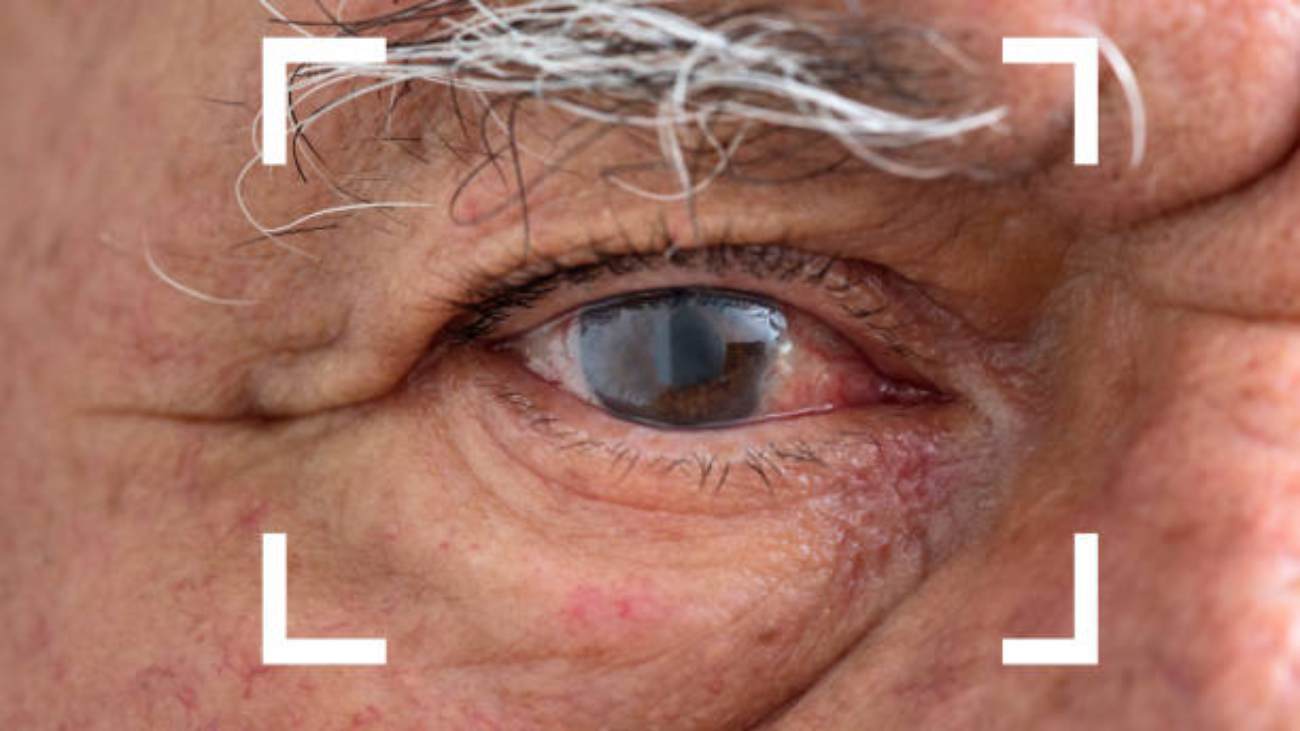
It is a clouding of the lens of the eye, affecting the quality of vision and causing blurred vision. The level of visual damage varies depending on the severity of the cataract.

In the vast majority of patients, cataracts develop at the age of 40 years and above, but there is a small percentage of infants and young people suffering from this condition as well.

Symptoms and signs of cataract

The cataract surgery addresses a wide range of symptoms associated with cataracts that significantly affect the patient’s quality of life, including: 

  • Blurred vision without pain. 
  • Double vision. 
  • Difficulty seeing at night. 
  • Reduced color contrast and yellowing. 
  • Difficulty reading in dim lighting conditions. 
  • Light sensitivity and discomfort from glare

Call us Whatsapp

What is cataract surgery in the UAE?

Cataract surgery in the UAE is a simple procedure aimed at removing the cloudy lens from the eye, especially since topical and systemic treatments for this condition are entirely ineffective; treatment involves only surgical intervention.

The process begins with a comprehensive diagnostic phase to confirm the presence of cataracts and the necessity for cataract surgery.

This is achieved through a thorough eye examination that rules out more severe eye diseases affecting the optic nerve and retina,

along with measuring corneal curvature and examining the tear duct. It is important to note that the deterioration of cataracts can vary significantly among patients,

manifesting either gradually over many years or progressing rapidly,

as seen in diabetic patients. Therefore, outdated diagnoses may not be beneficial for everyone and cannot be relied upon.

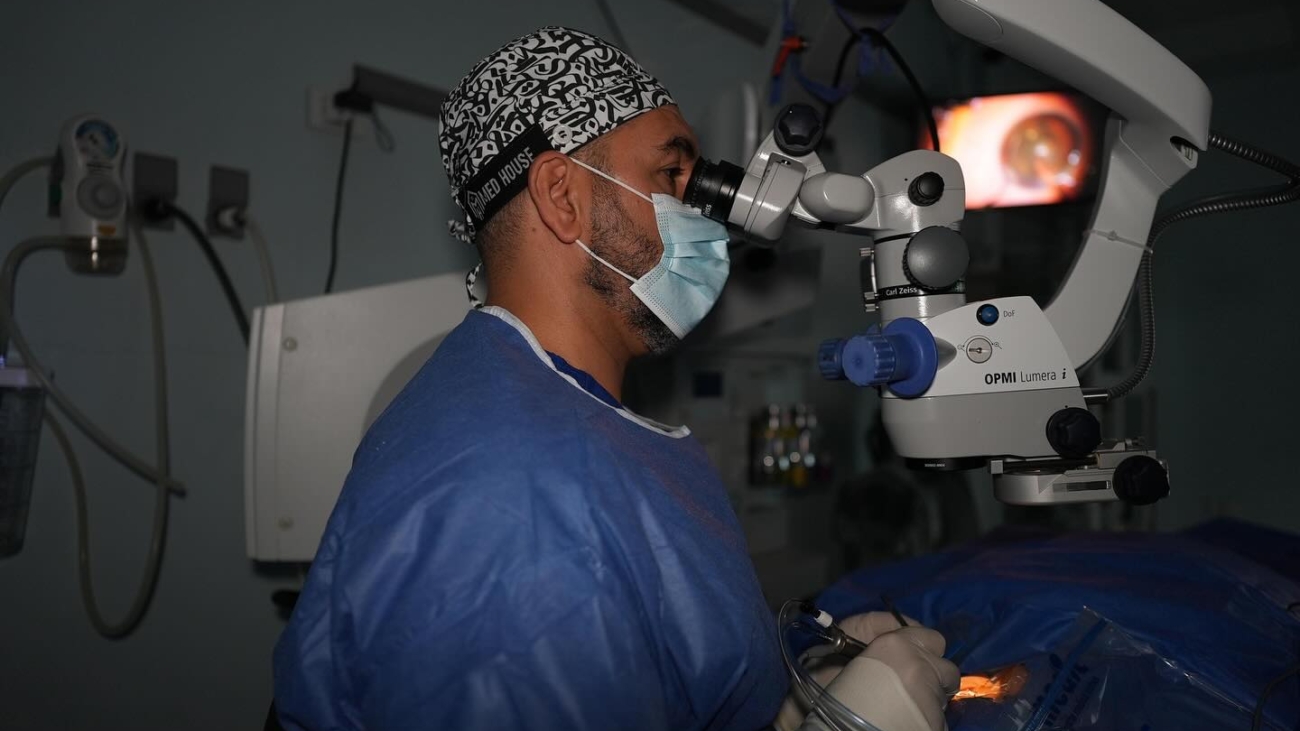
As for the concept of cataract surgery, it is a surgical procedure in which the cloudy lens of the eye is removed and replaced with a new, defect-free lens that ensures optimal vision without complications. This is performed through a surgical technique called “phacoemulsification”,

which involves making a small incision of no more than 2.8 millimeters in the cornea to facilitate the lens replacement.

Steps for cataract surgery in Dubai

Dr. Ahmed El-Moatassem performs cataract surgery in the UAE with the highest levels of professionalism and surgical skill, ensuring complete healing for the patient and achieving excellent treatment outcomes. The steps of this procedure include:

  1. Initially, the patient is prepared for the surgical procedure by applying anesthetic eye drops.
  2. The surgeon begins the operation by introducing a very precise instrument into the lens, which is an indirect laser that relies on thermal energy in fractions of a second to fragment the cataract using ultrasound technology or thermal incision that melts collagen bonds, creating an incision in the capsule with a thickness ranging from 4.5 to 6.5 millimeters.
  3. After the cataract is fragmented, the lens is flushed with fluid pulses, and all remnants are removed to leave the capsule completely clear (lens emulsification) using the “Zepto” capsule puncture device, which relies on the nano-effect in the lens capsule, or through the Fako device in conjunction with femtosecond technology.
  4. The artificial lenses are then implanted into the lens capsule through an extremely small incision in the cornea.
  5. If the replacement lens is of the IOL type, its sides are opened to ensure it is securely placed in the correct position.
  6. After the lens is implanted, the light focus reaching the back of the eye on the retina is corrected with ease, thereby addressing vision problems and improving its quality.

Cataract surgery techniques

The techniques used in cataract surgery in the UAE vary specifically during the lens emulsification stage based on the condition and the equipment utilized, including:

  • Ultrasound: After making a surgical incision in the eye lens, the cataract is fragmented using ultrasound waves.
  • Femtosecond Laser: This device creates precise incisions in the cornea to treat Astigmatism and accurately fragment the lens nucleus.
  • Extracapsular Cataract Surgery: This technique involves making a relatively large micro-surgical incision in the cornea to remove the affected lens and replace it with a healthy artificial lens.
  • Traditional Intracapsular Surgery: This is the older therapeutic method that uses a large surgical instrument to make an incision in the cornea and completely remove the lens along with its capsule.

Call us Whatsapp

Types of Lenses Used in Cataract Surgery

At Moatassem European eye center, we utilize the latest techniques and medical equipment,

This also applies to the intraocular lenses used for the common condition of cataracts.

We rely on the highest quality and transparency lenses types to ensure the best outcomes.

Some of the most important types of lenses used include:

•        Intraocular Lenses (IOLs)

Intraocular lenses are high-precision, transparent artificial lenses that can be used in refractive treatments as well as in cataract surgery.

These lenses are made from highly transparent plastic and are equipped with side supports that ensure

the lens is securely positioned within its capsule. There are several types of these lenses, including:

  • Monofocal Lenses: Designed to improve visual quality, particularly for distant objects.
    • Extended Depth of Focus (EDoF) IOLs: These lenses address many side effects associated with cataracts, such as glare, halos, visual difficulties, and night driving problems, while also enhancing near and distance vision.
    • Trifocal Lenses: These multifocal lenses are designed to focus light on the retina after cataract removal, providing good vision for both near and distant objects, making them an excellent choice for office work and reading.

•        Toric Lenses 

Toric lenses are used to treat cataracts, particularly in patients who also suffer from astigmatism.

·         Blue Light Filtering Lenses 

Unlike most of the previously mentioned lenses that focus on filtering ultraviolet rays,

these lenses are designed to filter blue light by reducing the transmission of short-wavelength light waves to the retina.

This is based on scientific research indicating that the short-wavelength emissions

produced by blue light can act as phototoxic agents to both animal and human eye cells.

Cataract Treatment Techniques 

The method of performing cataract surgery in the UAE is directly related to the patient’s condition and the extent of their cataract progression.

Among the most important techniques used in the treatment of cataracts are:

  • Cataract Surgery: A surgical incision is made in the eye’s lens using a surgical scalpel, and the surgeon manually fragments the damaged lens for removal. This incision is typically larger and deeper.
    • Phacoemulsification (Phaco): This technique utilizes ultrasound waves to break up the damaged lens, which is then aspirated out of the eye.
    • LASIK: A specialized laser is used to vaporize the front layer of the affected lens, resulting in its permanent removal.

Benefits of Cataract Surgery 

Cataract surgery in the UAE, particularly at the Moatassem European eye center,

offers numerous advantages that attract patients from around the world.

This medical center features a distinguished team of ophthalmic surgeons and consultants from the Arab Homeland.

Key benefits of this medical procedure include:

  • Rapid Surgical Procedure and Quick Positive Outcomes: The surgery is performed swiftly, and the positive results typically manifest directly.
    • Local Anesthesia with Minimal Side Effects: Local anesthesia is used, often administered through eye drops and sometimes through localized injections, which minimizes side effects.
    • High Precision with Micro Incisions: The procedure relies solely on microscopic incisions without the need for surgical sutures, thanks to the use of advanced medical devices like the “Centurion phacoemulsification” system.
    • Breadth the circle of patients eligible for the procedure: The procedure accommodates a diverse array of patients without significant exclusions, making it suitable for both children and adults.
    • Enhanced Vision Clarity and Acuity: Patients experience significantly clearer vision and improved sharpness, along with the potential to correct various refractive vision problems, including myopia, hyperopia, astigmatism, and more..

Side Effects After Cataract Surgery 

Cataract surgery at the Moatassem European eye center in the UAE is considered very safe and produces highly reliable results.

However, as with any surgical medical procedure, there may be unavoidable side effects, albeit rare.

The following are some potential side effects associated with cataract surgery:

  • Capsule Opacification: A very thin membrane may develop behind the implanted intraocular lens, leading to blurred vision after the procedure. This condition can be treated with YAG laser.
    • Eye Hemorrhage: Although infrequent, bleeding may occur due to surgical errors during cataract surgery; this complication has diminished significantly among patients at our medical center.
    • Increased Tear Production: Patients may experience heightened tear production due to friction with the new lens. A follow-up visit is necessary to ensure that no infections are present.
    • Nausea, Vomiting, Headaches, and Discomfort: Patients may experience nausea, vomiting, headaches, and a general feeling of discomfort for several hours post-surgery.
    • Redness, Burning, and Temporary Dryness: Eyes may exhibit redness, burning sensations, and temporary dryness, all of which typically resolve quickly.

Success Rate of Cataract Surgery 

Cataract surgery in the UAE is classified as one of the safest and most effective medical procedures.

It involves replacing the natural lens of the eye with a highly precise artificial lens, without subsequent symptoms or complications.

The success rate of this procedure exceeds 95%, and most patients can completely discontinue the use of glasses and contact lenses within just a few days.

Furthermore, it is noteworthy that recent scientific research and statistical studies conducted in the United States have shown that more than 1,400,000 patients undergo cataract surgery,

with 95% of them experiencing no symptoms or side effects whatsoever.

Call us Whatsapp

Cost of Cataract Surgery 

Although the cost of cataract surgery in the United Arab Emirates or any other Arab country is among the most common and widespread eye surgeries, it cannot be fixed at a standard price.

In most cases, a specific price is determined for each patient based on their health condition,

the type of procedure, the technology used for treating their cataracts,

as well as the type of artificial lens that will be implanted.

Additionally, there are extra factors related to the reputation of the surgeon and the quality of the medical center where the surgery is performed.

The advancement of medical equipment, the standard of the medical center,

and the additional services provided, such as diagnostic tests and postoperative monitoring,

also play a role. Other health-related needs, such as prescription glasses, sterile towels

, and eye guards, given to each patient individually, should be considered as well.

Taking these points into account, the Moatassem European eye center is regarded as one of the best in all these aspects.

We offer thoughtful prices that suit all patients and ensure their safety and eye health, with the cost of cataract surgery starting at $1,500, subject to increase.

The Best Cataract Doctor in the United Arab Emirates 

There’s no need to search extensively for the best eye doctor in Dubai,

as Dr. Ahmed El-Moatassem tops the list of the best physicians in the UAE, Egypt, and the entire Arab world.

He is an outstanding physician with remarkable experience and a kind demeanor,

who is close to his patients and most attentive to their concerns.

He renews joy and hope in the eyes of millions, alongside dozens of prestigious positions and accolades that he has rightfully earned in the medical, scientific, and academic fields.

Hes a professor of medicine at Ain Shams University, a member of the International Society for Refractive Surgery,

the American Academy of Ophthalmology, and a Fellow of the Royal College of Surgeons, among many other roles and numerous impactful scientific publications in renowned medical journals.

All of these achievements shine a spotlight on Dr. Ahmed El-Moatassem center as a trusted place for cataract surgery, as he prioritizes the vision of his patients above all.

Moreover, Professor Dr. Ahmed El-Moatassem has dedicated his attention and expertise, spanning over 25 years,

to establish a medical center that meets global standards in every aspect.

Supported by a passionate team of skilled doctors and dedicated nurses,

he meticulously selects the latest medical devices and equipment,

often traveling to the world’s most advanced medical exhibitions to choose the latest technology and understand all its specifications.

Thus, he proves to be the best, both in word and deed.

Call us Whatsapp

Frequently Asked Questions

•        What should the patient do after cataract surgery? 

In the period following cataract surgery, Dr. Ahmed El-Moatassem recommends a set of essential guidelines and precautions to maintain the desired results, including: 

  • Absolutely avoiding rubbing or touching the eye to prevent displacing the new lens. The patient may take pain relievers if experiencing any discomfort. 
    • Resting adequately and avoiding stress for at least 48 hours after the procedure. 
    • Avoiding visual strain for several days post-surgery, such as watching television or focusing for extended periods on mobile devices. 
    • Regularly using the anti-inflammatory eye drops prescribed by the doctor, such as Chloramphenicol, Dexamethasone, and others. 
    • Wearing an eye shield during sleep in the first few days after the procedure. 
    • Refraining from lifting heavy objects or engaging in strenuous sports.

•        When will vision stabilize after cataract surgery? 

Improvement in vision can be noticed immediately after the new lens is implanted,

and the patient will feel the difference right away.

The recovery will continue gradually, with stable and final results typically achieved within 8 weeks post-surgery. 

•        How long does cataract surgery take? 

The duration of cataract surgery at Dr. Ahmed El-Moatassem’s center in the UAE does not exceed 20 minutes,

from the time the eye is locally anesthetized until the completion of the surgery.

However, the patient may remain at the center for about two hours while all pre- and post-operative procedures are completed. 

•        What causes cataracts in the eye? 

Cataracts can arise from numerous pathological or mechanical factors, including: 

  • A mechanical injury to the head or eye. 
    • Complications from advanced diabetes. 
    • Aging of the eye. 
    • Changes in the internal structure of the eye with advancing age.

•        When should cataract surgery be performed? 

Surgery becomes necessary when the patient’s vision is so blurred and unclear that it negatively impacts reading and driving,

even with corrective glasses and contact lenses.

Additionally, if there’s a constant need to update glasses prescriptions,

cataract surgery becomes an essential procedure rather than an option.

Contrary to widespread misconceptions suggesting that cataract surgery needs to be postponed until the cataract matures for easier removal,

this information is incorrect; the necessity for surgery is solely based on its impact on the patient’s vision. 

•        Is cataract surgery dangerous? 

Cataract surgery is widely performed both in the UAE and abroad and is considered very safe,

especially at the Moatassem European eye center,

where the highest surgical expertise, superior medical care, and the latest medical devices and equipment are available.

Call us Whatsapp

Best Eye Center for cataract surgery

Best Eye Center for cataract surgery

Dr. Ahmed Elmoatassem is renowned as one of the leading ophthalmologists in the UAE, particularly known for his expertise in cataract surgery at the Moatassem European Eye Center Best Eye Center for cataract surgery. Here’s a detailed overview of cataract and the advanced treatment Dr. Elmoatassem provides:

Understanding Cataract

A cataract is a clouding of the eye’s natural lens, leading to decreased vision. It’s commonly associated with aging but can also result from trauma, certain medical conditions, or prolonged exposure to ultraviolet light. Symptoms often include:

  • Blurred vision
  • Difficulty seeing at night
  • Sensitivity to light and glare
  • Fading or yellowing of colors
  • Double vision in a single eye

Best Eye Center for cataract surgery in UAE

Treatment at Moatassem European Eye Center

Initial Consultation

Dr. Ahmed Elmoatassem begins with a thorough eye examination to diagnose the presence and severity of cataracts. This includes:

  • Visual acuity test
  • Slit-lamp examination
  • Retinal exam
  • Applanation tonometry (to measure eye pressure)

Personalized Treatment Plan

Once diagnosed, Dr. Elmoatassem develops a personalized treatment plan, taking into account the patient’s lifestyle, vision needs, and overall health.

Advanced Surgical Techniques

Dr. Elmoatassem utilizes the latest technology and surgical techniques to ensure the best outcomes for his patients. These include:

  • Phacoemulsification: The most common method, where an ultrasonic device breaks up the cloudy lens into small pieces, which are then removed. This procedure involves a small incision and typically results in a quick recovery.
  • Femtosecond Laser-Assisted Cataract Surgery: An advanced, computer-guided laser technique that enhances precision in making incisions and breaking up the cataract. This method can improve the accuracy and safety of the surgery.

Intraocular Lenses (IOLs)

Post removal of the cataract, an intraocular lens (IOL) is implanted to restore clear vision. Dr. Elmoatassem offers various types of IOLs to cater to different vision needs:

  • Monofocal IOLs: Provide clear vision at one distance (usually far).
  • Multifocal IOLs: Allow for clear vision at multiple distances (near, intermediate, and far).
  • Toric IOLs: Specifically designed for patients with astigmatism.

Post-Operative Care

After the surgery, Dr. Elmoatassem ensures a comprehensive follow-up plan to monitor the patient’s recovery. This includes:

  • Regular check-ups to assess healing
  • Prescribed medications to prevent infection and inflammation
  • Detailed guidance on post-operative care and activities to avoid

Excellence in Patient Care

Dr. Ahmed Elmoatassem is celebrated for his meticulous approach, advanced surgical skills, and compassionate patient care. His commitment to utilizing state-of-the-art technology and personalized treatment plans has established him as the best ophthalmologist in the UAE, particularly in cataract treatment.

Patients at the Moatassem European Eye Center can expect a seamless, reassuring experience from diagnosis to post-operative care, ensuring the best possible visual outcomes.

Cost of laser cataract surgery in Dubai

Cost of laser cataract surgery in Dubai

Hundreds of people are diagnosed daily with cataracts, a condition particularly prevalent among diabetic patients and the elderly. As cataract symptoms worsen often requiring prompt laser treatment or other therapeutic interventions a critical question arises in ophthalmology clinics: What is the cost of laser cataract surgery in Dubai?

At El-Moatassem European Eye Center in the UAE, we provide transparent, detailed information about the procedure’s cost, surgical steps, and specifications to ensure full patient awareness of this condition and its laser treatment options.

What Are Cataracts?

The natural lens of the eye is composed of proteins, biological materials, and various tissue fluids with extremely high transparency, enabling sharp and clear vision. However, with aging, exposure to certain diseases, lens disorders, or even external trauma, these proteins and collagen fibers undergo structural changes. This alteration transforms the normally transparent lens into a cloudy, opaque lens a condition known as “cataracts”.

Patients with cataracts often experience: Blurred vision, Difficulty driving.

especially at night, Glare sensitivity (discomfort from bright lights) and other symptoms we’ll explore later.

and we’ll also discuss the cost of laser cataract surgery in Dubai and other key details.

Causes of Cataracts

The causes of cataracts vary, and many people seek this information to prevent their development. The most common causes include:

  • Age-Related (Senile) Cataracts, most common in older adults, often linked to chronic diseases like diabetes.
  • Congenital Cataracts present at birth, usually due to genetic factors or viral infections during pregnancy (e.g., rubella).
  • Secondary Cataracts caused by other eye diseases, such as: Retinal detachment, Uveitis.
  • Traumatic Cataracts, result from Injury to the external eye due to bruises or direct blows that cause damage to the lens of the eye.
  • Radiation-Induced Cataracts, Due to radiation exposure (e.g., cancer radiotherapy near the eye).
  • Drug-Induced Cataracts, Long-term use of immunosuppressants (e.g., corticosteroids).

Symptoms of Cataract Disease

Before addressing the cost of laser cataract surgery in Dubai, it’s crucial to fully understand the details of this medical condition that requires therapeutic intervention by a skilled and highly experienced physician.

Here are the most important symptoms of cataracts that necessitate visiting El-Moatassem European Eye Center:

  • Blurred vision with progressive deterioration.
  • Frequent changes in eyeglass prescription.
  • Poor night vision and difficulty seeing in low light conditions.
  • Cloudy or foggy vision, as if covered by a mist.
  • Glare from light sources with visible halos around them.
  • Worsening near vision affecting activities like reading, sewing, and writing.

Risk Factors for Cataract Development

The cost of laser cataract surgery in Dubai may indeed vary depending on the severity of the condition.

In early stages, treatment tends to be simpler and more affordable.

while costs increase proportionally with disease progression and the presence of complicating risk factors.

The following are the most significant risk factors that warrant attention:

  • Diabetes mellitus and other chronic systemic diseases.
  • Unhealthy lifestyle habits such as chronic tobacco use, alcohol dependence.
  • Chronic exposure to ultraviolet radiation from various sources.
  • Congenital ocular abnormalities present from birth.
  • Previous intraocular surgical procedures.

Laser Cataract Surgery (FLACS)

Laser cataract surgery, technically termed Femtosecond Laser-Assisted Cataract Surgery (FLACS).

is a modern and innovative surgical technique designed to remove cataracts using femtosecond laser technology.

eliminating the need for traditional surgical instruments and scalpels.

This procedure is characterized by: High precision at the micron-level, Exceptional safety, as it relies on advanced laser technology rather than manual surgical tools, which are more prone to human error, Rapid recovery, due to minimal tissue damage and Outstanding visual outcomes.

Steps of Laser Cataract Surgery (FLACS) in Dubai

At El-Moatassem European Eye Center, numerous successful surgical procedures are performed daily by the grace of God to restore patients optimal vision. For those seeking clarity on both the cost of FLACS in Dubai and its precise surgical steps, we outline the process below:

  1. Before the procedure begins, a three-dimensional eye scan is performed with micron-level precision using OCT technology to determine the eye’s condition, the appropriate incision angle, corneal thickness, and the optimal lens position.
  2. We now proceed to the actual steps of laser cataract surgery, which begins with placing an eyelid speculum between the eyelids to keep the eye open during the surgical procedure, along with applying anesthetic eye drops to eliminate pain sensation.
  3. The femtosecond laser is now used to create precise incisions in the cornea without damaging surrounding tissues. These incisions are made at carefully calculated angles to allow for prompt healing and rapid wound closure later.
  4. The circular incision made by the femtosecond laser reaches the eye’s anterior lens capsule, and now we have direct contact with the eye lens to control it with the most appropriate therapeutic approach.
  5. A new type of laser is now used to fragment the natural lens affected by opacity into very small particles that can be easily aspirated. This laser lens fragmentation reduces the damage caused by ultrasound “phaco” energy traditionally used in conventional phacoemulsification techniques to preserve ocular tissue integrity.
  6. Subsequently, the fragmented particles are aspirated from the lens capsule using laser technology with a precise probe that possesses high energy capable of skillfully removing the finest particles.
  7. Here lies the essence of laser cataract surgery, where a transparent artificial intraocular lens is implanted into the empty lens capsule to easily correct all vision problems.

Complications of Laser Cataract Surgery

Cataract surgery in general is not a simple procedure; rather, it is an extremely precise intervention targeting a delicate part of the eye. Therefore, its associated side effects and complications cannot be entirely excluded or ignored. However, the situation differs significantly when cataract surgery is performed using laser technology, which relies on an advanced mechanism that limits many risks.

No matter how minor, these complications must be taken into consideration.

as this procedure is suitable for patients with advanced or hardened cataracts, Cataract patients who also suffer from astigmatism.

Patients with sensitive eyes that cannot be treated with simpler methods

These factors make understanding the complications of laser cataract surgery absolutely essential. The most important complications include:

  • Mild to moderate eye inflammation.
  • Temporary increase in intraocular pressure.
  • Displacement of the implanted intraocular lens.
  • Temporary vision regression after surgery.
  • Risk of posterior capsule opacification, which may require subsequent YAG laser treatment.

Types of Intraocular Lenses Used in Laser Cataract Surgery

The types of intraocular lenses used in cataract surgery are among the most important factors influencing the cost of laser cataract surgery in Dubai. Although all these artificial lenses are made of high-quality, transparent plastic polymers, they differ in their properties. Moreover, they are all imported from eye banks in the United States to achieve the desired therapeutic outcomes. The most notable types include:

  • Monofocal Lenses: These are further divided into subtypes, with the best being aspheric lenses, which address all vision problems while focusing on enhancing night vision quality, driving capability, color contrast, and three-dimensional vision.
  • Toric Lenses (Refractive Lenses): These lenses not only correct common vision issues but also treat astigmatism, making them suitable for patients with irregular corneal surfaces and non-spherical optical aberrations.
  • Multifocal Lenses: Considered among the best types of artificial lenses, they can simultaneously correct vision at multiple distances (near and far). Unlike monofocal lenses, patients who opt for multifocal lenses typically do not require glasses after surgery.

When Does Laser Cataract Surgery Become Necessary?

At the initial diagnosis of cataracts, many patients may delay treatment options for some time.

However, in some cases, the condition becomes more severe, with cataracts progressing to a point where they significantly interfere with daily activities. Therefore, performing the surgery early prevents the patient from reaching critical stages that would make surgical intervention more difficult and increase the cost of laser cataract surgery in Dubai.

If laser cataract treatment is neglected, it may lead to severe increase in intraocular pressure and the development of glaucoma, resulting in two concurrent eye conditions or Disruption of the zonular fibers that stabilize the eye’s natural lens in its proper position.

Factors Determining the Cost of Laser Cataract Surgery in Dubai

The cost of laser cataract surgery in Dubai warrants detailed discussion to prevent any patient from delaying appropriate treatment, as neglecting cataract treatment leads to severe vision deterioration. In light of this, let’s examine the key factors determining the procedure’s cost:

  • The ophthalmologist’s expertise, including prestigious academic qualifications, reputation, and professional demeanor.
  • The surgical equipment and instruments used, and the level of technological advancement in the treatment methodology.
  • The standard of medical services and comprehensive healthcare provided to patients at El-Moatassem European Eye Center.
  • The type of laser used for cataract treatment and its associated low risk of side effects and complications.
  • The type of intraocular lens implanted (when needed), its reliable source, and its suitability for the patient’s specific needs.

Advantages of Laser Cataract Treatment

Laser cataract surgery offers numerous benefits and advantages. While these contribute to the higher cost of laser cataract surgery in Dubai, they ensure a treatment method with countless benefits, including:

  • Use of low-temperature laser energy that protects eye tissues from thermal damage and safeguards the retina.
  • Elimination of traditional scalpels, relying instead on precise laser beams to create micro-incisions.
  • Superior effectiveness and quality of outcomes compared to conventional treatment methods.
  • Rapid corneal wound healing post-surgery due to the extremely small and precise incisions.
  • Minimal pain during the procedure compared to other techniques.
  • Short procedure duration (typically 15-25 minutes), though patients may stay longer for pre-operative preparations and post-operative recovery before discharge.

Recovery Period After Laser Cataract Surgery

Laser cataract surgery is not considered a difficult or complex ocular procedure; rather, it is completely simple and safe.

However, the convalescence and rest period after surgery varies depending on the patient’s condition, the eye’s status, and how advanced the cataract was.

In general, the patient must visit El-Moatassem European Eye Center approximately two days after the procedure and several times during the first month post-surgery to monitor the eye’s condition and assess visual adaptation to the new lens.

In most cases, vision improves after laser cataract surgery within one week to 15 days post-operation. However, diabetic patients, those with retinal conditions, and elderly patients may experience delayed improvement by several additional days.

For the majority, patients notice vision quality improvement within two days.

reaching up to 95% clarity, with high-quality vision achieved by the following week.

Notably, this procedure provides permanent results with no possibility of regression.

especially since the implanted intraocular lenses are made of high-quality inert materials that do not react with ocular tissues or change over time.

Important Post Operative Instructions After Laser Cataract Surgery

Following completion of laser cataract surgery at El-Moatassem European Eye Center.

patients must adhere to these health guidelines to ensure optimal therapeutic outcomes:

  • Resuming all normal activities the day after surgery is permissible, provided adequate rest is obtained.
  • Limiting intense visual strain from television, mobile phones, or other screens.
  • Strictly applying prescribed medicated eye drops as per the supervising physician’s instructions.
  • Absolutely avoiding eye rubbing or touching the eyes whenever possible.
  • Preventing water exposure to the eyes; cleaning only with a clean cotton cloth.
  • Refraining from applying eye makeup or facial skincare products near the eyes.
  • Wearing an eye shield while sleeping to protect against accidental contact.
  • Using sunglasses when outdoors during midday for several days.
  • Waiting several days before resuming driving and other demanding tasks.
  • Avoiding strenuous activities with potential eye injury risks.
  • Attempting to suppress strong coughing or sneezing and maintaining gentle movements.

The Best Cataract Surgeon in Dubai

Laser cataract surgery of the highest quality, with the most suitable costs for everyone in Dubai, along with comprehensive medical care and ideal patient follow-up, is only available at El-Moatassem European Eye Center under the supervision of Professor Ahmed El-Moatassem, a specialist in ophthalmology in the United Arab Emirates and across the entire Middle East.

Professor Ahmed El-Moatassem obtained his PhD in 2000, and his 25-year journey of expertise has culminated today in regional success and excellence, making Dr. Ahmed El-Moatassem a distinguished name in the field of ophthalmology and eye surgery. Dr. Ahmed has held numerous positions that have placed him among the elite of Arab physicians, including:

  • Teaching at Ain Shams University, specifically in the Faculty of Medicine.
  • Leading medical teams of doctors and nurses across multiple medical centers in Egypt and the UAE.
  • Membership in the American Academy of Ophthalmology in San Francisco.
  • Fellowship of the Royal Society of Ophthalmologists in the UK.
  • Membership in the International Society of Refractive Surgery.

In addition to many other achievements that highlight a career marked by medical ethics, continuous success, and accomplishments.

Refractive and Cataract Solutions with lences (IOL-ICL)

Refractive and Cataract Solutions with lences (IOL-ICL)

Refractive and Cataract Solutions with lences (IOL-ICL) are among the methods used to treat all refractive vision defects. Let’s learn about them in detail in this article from the Moatassem European Lasik & Eye Center.

Refractive and Cataract Solutions with lences (IOL-ICL)

Refractive Solutions

Myopia, hyperopia and astigmatism are all common vision conditions that affect large numbers of people. Traditionally treated through corrective eyewear or contact lenses, the EVO Visian ICL and Visian ICL family of lenses are designed to provide visual freedom to patients, lessening or eliminating the reliance on glasses or contacts.

 EVO Visian ICL™

STAAR® Surgical’s phakic IOL for myopia and astigmatism

EVO is an Evolution in Visual Freedom designed to provide premium refractive outcomes while optimizing patient comfort. Made from Collamer®, EVO can treat a wide range of refractive error. 

EVO+ Visian ICL™

STAAR® Surgical’s phakic IOL for myopia and astigmatism with an expanded optic

EVO+ continues the Evolution in Visual Freedom with an Expanded Optic designed for patients with larger pupils. Also made from Collamer®, EVO+ is based on the proven EVO platform and is the newest generation of EVO lenses.

Visian® ICL™

STAAR® Surgical’s phakic IOL for myopia, hyperopia and astigmatism

The Visian ICL is made from Collamer, a biocompatible material created and used exclusively by STAAR Surgical. This lens is able to treat a large range of refractive error varying by region.

Cataract Solutions

Cataracts are the clouding of the eye’s natural lens, which inhibits light from easily passing through the lens. The clouded lens can be removed and replaced with an intraocular lens (IOL). STAAR® Surgical Company markets various models of Collamer® and Preloaded IOLs. These innovative products are designed to conveniently deliver our high-quality IOLs through a small incision in a predictable, efficient manner.

Collamer IOLs

STAAR® Surgical’s aphakic IOL for cataracts

One of STAAR’s primary Collamer IOLs is the nanoFLEX IOL. nanoFLEX is a single-piece lens designed to treat aphakia. This lens combines STAAR’s proprietary Collamer material with an advanced C2 aspheric optic.

Preloaded IOLs

STAAR® Surgical’s Preloaded IOLs for cataracts STAAR markets preloaded intraocular lenses in certain geographies, with silicone or acrylic optics.  These innovative products are designed to conveniently deliver our high-quality IOLs through a small incision in a predictable, efficient manner.